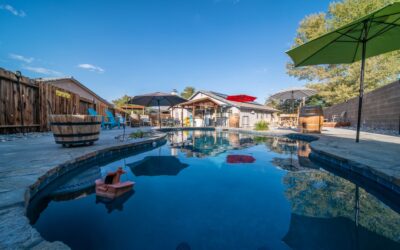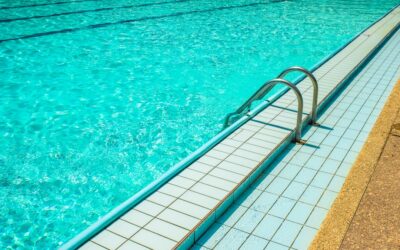
Around a pool, the wrong tile is a lawsuit waiting to happen. Pool flooring tiles must balance beauty with serious slip resistance, because wet bare feet on a glossy surface are a recipe for falls. The right tile drains quickly, stays cool enough to walk on, resists chlorine and salt, and looks great for years. Choosing it well means understanding a few technical ratings most buyers never hear about.
Part of our Tile & Grout guide — explore the full guide →
What Makes a Good Pool Tile
Not every attractive tile belongs near water. The ideal pool deck tile combines several properties that ordinary indoor tile often lacks.
- Slip resistance measured by a coefficient of friction, with a dynamic COF of 0.42 or higher for wet areas.
- Low water absorption, ideally porcelain rated below 0.5 percent, to resist freeze-thaw cracking.
- Chemical resistance to chlorine, bromine, and salt systems.
- Heat tolerance and lighter colors so the surface stays cooler under direct sun.
- Frost resistance in any climate with freezing winters.
After the flooring is sorted, the right furniture makes all the difference. A set of poolside lounge chairs and a gazebo for shade can turn a basic pool deck into something that actually feels like a backyard retreat.
We may earn a commission when you purchase through our links.
Best Tile Materials for Pool Areas
Each material has a place around the pool, and the right pick depends on your climate and budget.
Porcelain Tile
Porcelain is the workhorse of pool decks. Dense, low-absorption, and available in textured slip-resistant finishes, it handles freeze-thaw cycles and resists fading. Look for porcelain rated for exterior use with a textured or structured surface.
Slip-Resistant Ceramic
Ceramic costs less than porcelain and works in warm climates that never freeze. Choose a textured, unglazed, or matte surface rather than a glossy glaze, which becomes dangerously slick when wet.
Natural Stone
Travertine, granite, and slate offer a premium, naturally textured surface that stays relatively cool. Travertine is especially popular for its grip and comfort, though it needs sealing to resist staining from pool chemicals.
Understanding Slip Ratings
Slip resistance is the single most important spec, and it is not guesswork. Manufacturers publish a dynamic coefficient of friction (DCOF) for tile. For wet pool areas, aim for a DCOF of 0.42 or higher under the ANSI standard. Some textured outdoor tiles reach 0.60 or more, which is ideal for the immediate splash zone.
Beyond the number, run your hand across a sample. A pronounced texture or structured surface grips wet feet far better than a smooth tile, even one with an adequate rating. For pool copings and the first few feet of deck, prioritize the most aggressive texture you can tolerate barefoot.
Costs to Expect
Pool tile pricing spans a wide range depending on material and finish. These are realistic USD figures:
- Slip-resistant ceramic: $2 to $7 per square foot for material.
- Porcelain deck tile: $4 to $12 per square foot for material.
- Natural stone: $6 to $20 per square foot, more for premium travertine or granite.
- Installation: $6 to $15 per square foot for outdoor tile, given the prep and drainage work involved.
Pros of Tile Around Pools
Tile remains the gold standard for pool surrounds for good reasons.
- Durability against sun, chemicals, and constant moisture.
- Design range, from natural stone looks to bold patterns and coping accents.
- Low maintenance, needing only periodic cleaning and resealing for stone.
- Cooler options in light colors and certain porcelains that resist heat buildup.
Cons and Cautions
Tile is not flawless, and knowing the downsides prevents regret.
- Slip risk if you choose the wrong finish, which is the most common and dangerous mistake.
- Hard surface that is unforgiving in a fall and uncomfortable to lie on directly.
- Heat buildup on dark tiles in full sun, which can burn bare feet.
- Professional installation needed for proper slope, drainage, and chemical-resistant grout.
Grout and Drainage Matter
Even the best tile fails without proper grout and slope. Use an epoxy or chemical-resistant grout around pools, since standard cement grout degrades under chlorine and salt. The deck should slope away from the pool at roughly a quarter inch per foot so water sheds quickly rather than pooling. Standing water defeats slip resistance and promotes algae, so drainage planning is part of the job, not an afterthought.
Choosing the Right Tile for Your Pool
Match the tile to your climate and use. In freezing regions, insist on frost-resistant porcelain with low absorption. In hot, sunny climates, favor lighter colors and textured surfaces that stay cooler and grip better. For the coping and immediate splash zone, choose the highest slip rating; a few feet back, you have more freedom for aesthetics. Always order samples and test them wet before committing.
Coping and Edge Tiles
The coping is the cap that runs along the pool’s edge, and it deserves special attention. Coping tiles need rounded or bullnose edges so swimmers do not scrape themselves climbing out, and they should offer the most aggressive slip resistance of any tile around the pool. Many manufacturers sell matching coping pieces designed to coordinate with their deck tile lines.
Bullnose and trim pieces also finish steps, raised planters, and transitions cleanly. Budget for these specialty pieces, since they often cost more per linear foot than field tile and are easy to overlook in an estimate. A safe, well-detailed pool edge is worth the extra investment.
Maintenance and Sealing
Pool tile lasts longest with simple, consistent care. Rinse the deck regularly to remove pool chemicals, sunscreen residue, and debris that can stain or become slippery. Scrub textured surfaces periodically with a stiff brush and a mild cleaner, paying attention to the grout lines where algae and grime collect.
Natural stone like travertine and slate needs sealing on installation and resealing every one to three years to resist staining from chlorine, salt, and organic matter. Porcelain and most ceramic do not require sealing, though the grout still benefits from a sealer. Keep an eye out for cracked or loose tiles and repair them promptly, since a chipped edge near a pool is both a safety hazard and a path for water to undermine the surrounding tiles.
The Bottom Line
Pool flooring tiles succeed when safety leads the decision. Prioritize a DCOF of 0.42 or higher, low water absorption, and chemical resistance, then layer in your style. Porcelain suits nearly any climate, ceramic stretches a budget in warm regions, and natural stone delivers luxury with proper sealing. Get the slip resistance and drainage right, and your pool deck will be both stunning and safe for years.
Prefer to explore on your own?
See how new flooring looks in your actual room in seconds — free, no signup.
Try the free Floor Studio →