A pool transforms a backyard, but the deck surrounding it does most of the heavy lifting for safety, comfort, and how often you actually use the space. Designing a pool with deck around it well means choosing materials that stay cool and slip-resistant when wet, planning a layout that handles foot traffic and furniture, and meeting the safety requirements that apply around water. Whether you are wrapping an above-ground pool or building around a new in-ground installation, the decisions you make here shape years of use. This guide covers the materials, safety, and layout fundamentals.
Part of our Decks & Outdoor guide — explore the full guide →
Above-Ground vs In-Ground Decking
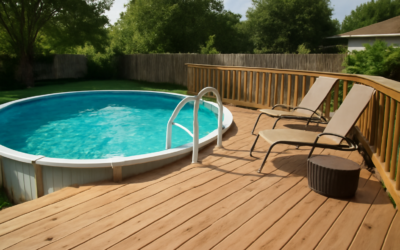
An above-ground pool deck is essentially an elevated platform built up to the pool’s rim, usually framed like a standard raised deck with posts, joists, and railings. It needs to bring you to water level, which often means stairs and a guardrail system. A partial deck along one or two sides is a budget-friendly approach; a full wrap-around costs more but gives you space to lounge all the way around.
An in-ground pool deck sits at grade and surrounds the coping at the pool’s edge. Here the focus shifts to the surface material, drainage, and a non-slip finish, since the structure is essentially a patio rather than an elevated platform.
After the flooring is sorted, the right furniture makes all the difference. A set of poolside lounge chairs and a gazebo for shade can turn a basic pool deck into something that actually feels like a backyard retreat.
We may earn a commission when you purchase through our links.
Choosing the Right Decking Material
Material choice around a pool is about more than looks — it affects safety, comfort, and maintenance. Common options include:
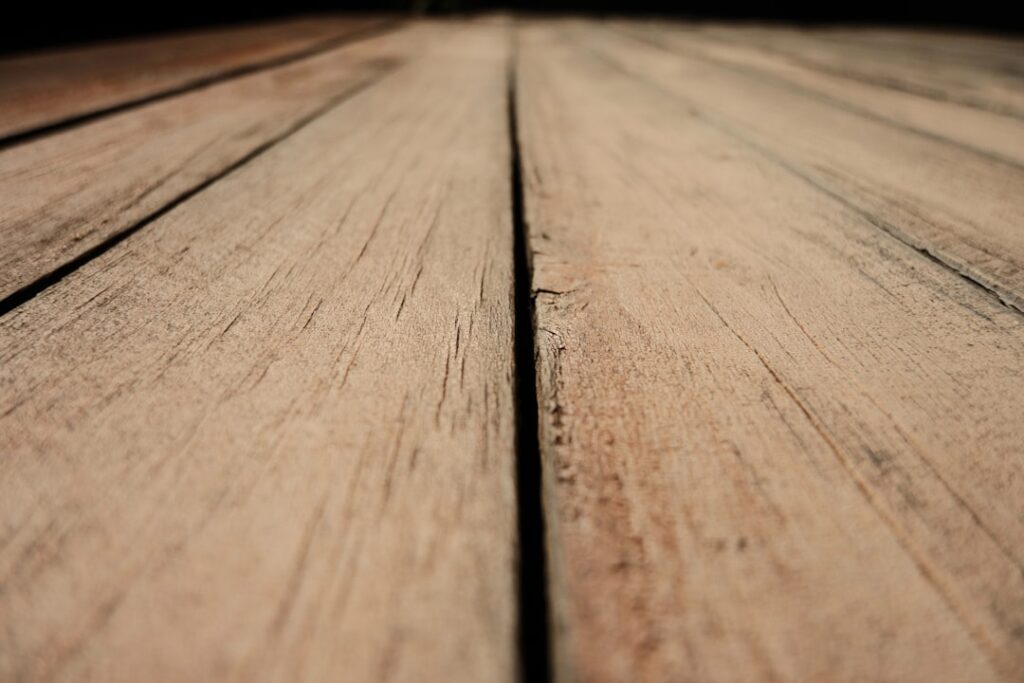
- Pressure-treated wood — affordable and familiar, but needs regular sealing and can splinter; gets slippery when algae forms
- Composite decking — low-maintenance and rot-proof; many lines offer slip-resistant textures, though some boards heat up in direct sun
- Concrete — durable and versatile; a broom finish or textured overlay adds traction, and it can be stamped or stained
- Pavers — attractive and repairable; individual units can be lifted and reset, and many are naturally slip-resistant
- Natural stone — premium look; choose a honed or textured finish, since polished stone is dangerously slick when wet
For any material, prioritize a textured, slip-resistant surface over a smooth one. A beautiful deck that is hazardous when wet is a poor trade.
Slip Resistance and Surface Temperature
Around a pool, water is constant, so slip resistance is the single most important performance trait. Look for materials and finishes rated for wet, barefoot traffic — broom-finished concrete, textured composite, and tumbled or honed pavers all perform well. Avoid glossy sealers and polished surfaces that turn into hazards the moment they get wet.
Surface temperature matters too, because people walk barefoot here. Light colors reflect heat and stay cooler; dark surfaces and some composites can get uncomfortably hot in full sun. If your deck bakes in afternoon light, lean toward lighter tones and consider shade structures.
Safety Features You Should Not Skip
Water plus a deck demands real attention to safety. Guardrails are required around elevated above-ground decks, and many jurisdictions mandate self-closing, self-latching gates and a barrier or fence around pools to prevent unsupervised access — especially critical with young children. Always confirm requirements with your local building department before you build.
- Build in proper drainage so water sheds away from the pool and house, not into puddles
- Use slip-resistant surfaces on all walking areas and especially on steps
- Round or smooth deck edges and coping to reduce injury
- Add a fence or barrier and compliant gates per local code
- Keep electrical fixtures and outlets to code, with proper GFCI protection
Smart Layout Planning
Think about how you will actually use the space. Leave room for lounge chairs and a table, plan clear walkways at least 3 to 4 feet wide so people can move safely around the water, and create distinct zones — a lounging area, a dining spot, and an entry point. Position furniture and shade so they do not crowd the pool edge or block circulation.
Orientation pays off: place seating where it catches sun or shade as you prefer, and consider sightlines so you can supervise swimmers from a dining or relaxing area. Built-in benches and storage for towels and toys keep the deck uncluttered.
Maintenance Expectations by Material
Every material trades off upfront cost against upkeep. Wood is cheapest to install but demands periodic sealing and is most prone to algae and rot in a wet pool environment. Composite and pavers cost more initially but need little beyond occasional cleaning. Concrete is durable but can crack over time and may need resealing. Factor maintenance into your decision, not just the install price — the deck lives in constant contact with splashing water and pool chemicals.
Budgeting for Your Pool Deck
Costs swing widely based on size, material, and whether the deck is elevated or at grade. An above-ground deck involves framing lumber, posts, footings, railings, and stairs, which adds up quickly for a full wrap-around. An in-ground pool deck’s cost depends heavily on the surface — broom-finished concrete is typically the most economical, while pavers and natural stone sit at the higher end.
Beyond materials, factor in site prep, drainage work, permits, and labor if you hire out. It is worth getting multiple quotes and asking each contractor to itemize the surface, substructure, drainage, and safety features so you can compare fairly. Spending a bit more on a slip-resistant, durable surface usually pays off over the life of the deck.
Adding Comfort and Function
The best pool decks do more than surround the water. Think about built-in features that make the space genuinely livable: a shaded pergola or umbrella zone for hot afternoons, built-in benches or storage boxes for towels and pool toys, and a rinse station near the entry. Outdoor-rated lighting along steps and edges improves safety after dark and extends evening use. If you entertain, leave room for a dining set or a small outdoor kitchen at the deck’s far end, away from the splash zone. Planning these touches up front, rather than retrofitting later, keeps the layout cohesive and the deck the natural center of your backyard.
The Bottom Line
A great pool with deck around it balances looks, comfort, and safety. Choose a slip-resistant, comfortably cool surface, build in proper drainage and code-compliant barriers, and lay out the space for real-life traffic and lounging. Confirm local requirements before construction, and weigh long-term maintenance alongside upfront cost. Done thoughtfully, the deck becomes the part of the pool you enjoy most.