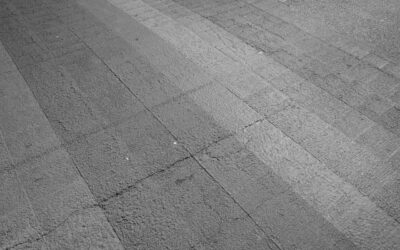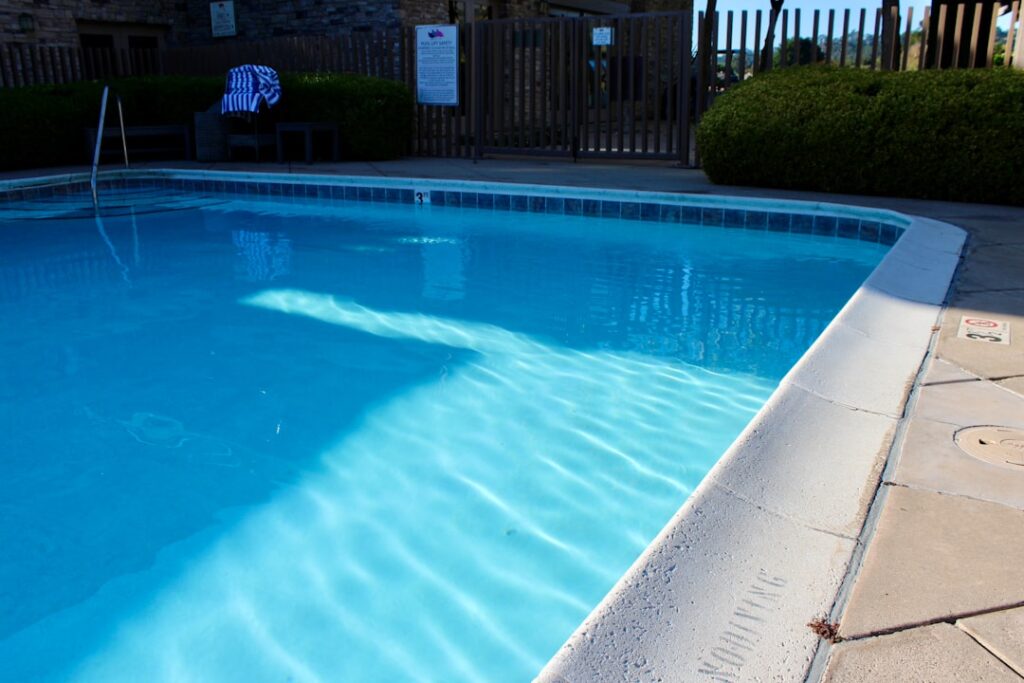
A stamped concrete pool deck gives you the high-end look of natural stone, brick, or wood surrounding your pool without the cost, shifting, and weed-filled joints of individual pavers. Because it is a single poured surface textured and colored to imitate premium materials, it delivers durability, low maintenance, and a custom appearance that dramatically boosts the look of a backyard pool. When designed and finished correctly, it also addresses the two biggest pool-deck concerns: slip resistance and heat.
Part of our Decks & Outdoor guide — explore the full guide →
Poolside is a demanding environment. The surface is constantly wet, walked on by bare feet, and baked by summer sun, so the choices you make about texture, color, and sealer matter more here than almost anywhere else. This guide covers slip-resistant finishes, cool-color strategies, popular designs, sealing, and realistic costs for a stamped concrete pool deck.
Why Choose Stamped Concrete for a Pool Deck
Stamped concrete offers a compelling mix of benefits around a pool. It costs far less than natural flagstone or travertine while mimicking those exact looks. As a monolithic slab, it has no gaps for weeds, no individual units to heave or sink, and no sand to wash out, which means less tripping risk and less maintenance than pavers. It resists the pool chemicals and constant moisture better than wood, and it can be shaped to follow any pool contour, including curves and free-form designs.
The design flexibility is a major draw. A single pour can combine a stone-look field with a contrasting border and accent bands, tying the pool area into your patio and landscaping for a cohesive, resort-like backyard.
After the flooring is sorted, the right furniture makes all the difference. A set of poolside lounge chairs and a gazebo for shade can turn a basic pool deck into something that actually feels like a backyard retreat.
We may earn a commission when you purchase through our links.
Slip Resistance Is the Top Priority
Around a pool, safety comes first, and standard smooth or glossy stamped concrete can become dangerously slick when wet. The solution is building slip resistance into the surface:
- Textured stamp patterns like slate and stone provide grip through their natural relief, better than smooth finishes.
- Anti-slip additives mixed into the sealer, such as fine polymer grit or silica, create traction without changing the look.
- Matte or satin sealers rather than high-gloss finishes reduce slickness when wet.
Insist that your installer include a slip-resistant additive in the sealer for any pool deck. A beautiful deck that sends people sliding is a liability, and the additive costs little while greatly improving safety for wet bare feet.
Keeping the Deck Cool Underfoot
The second poolside concern is heat. Dark concrete absorbs sunlight and can become painfully hot on bare feet during summer. To keep a pool deck comfortable:
- Choose light colors: Tans, light grays, sandy beiges, and soft earth tones reflect heat and stay cooler than dark charcoal or brown.
- Consider cool-deck coatings: Specialized reflective coatings and textured cementitious toppings are designed specifically to lower surface temperature around pools.
- Avoid deep, dark stains in full-sun areas where people walk barefoot.
The color choice is a genuine comfort-and-safety decision, not just aesthetics. A light, reflective stamped surface can be 10 to 20 degrees cooler than a dark one in direct sun.
Popular Patterns and Designs
Stamped pool decks look best with patterns that read as natural stone and pair well with water. Popular choices include:
- Seamless slate texture for a natural, continuous stone surface with excellent grip
- Random flagstone in soft, muted tones that suits both traditional and modern pools
- Ashlar and cut-stone patterns with clean lines for contemporary designs
- Travertine and limestone looks in light colors, a top pick for their cool tones and upscale appearance
- Wood-plank stamping for a warm, natural deck look without the maintenance of real wood by a pool
Adding a contrasting border around the pool coping and the deck perimeter frames the space and gives it a finished, designed appearance. Many homeowners echo the stamped pattern out to an adjoining patio for a seamless outdoor living area.
Sealing and Maintenance
Sealing is essential for a pool deck and requires the right product. The sealer protects the color from UV fading and pool chemicals, guards against staining, and, with an anti-slip additive, keeps the surface safe when wet. For pool decks, a breathable, matte or satin, slip-resistant sealer is the standard choice; avoid high-gloss solvent-based sealers that turn slippery and can trap moisture.
Plan to reseal every two to three years, sometimes sooner around a heavily used pool, to maintain protection and appearance. Routine care is simple: rinse off debris, sweep regularly, and wash occasionally with a mild cleaner. In winter climates, avoid de-icing salts, which damage concrete, and use sand for traction instead.
Cost Expectations
Stamped concrete pool decks cost more than plain concrete but far less than the natural stone they imitate:
- Basic stamped pool deck: $12 to $18 per square foot
- Mid-range with multiple colors, borders, and slip additive: $18 to $22 per square foot
- High-end custom designs with intricate patterns and detailing: $22 to $30-plus per square foot
For comparison, natural travertine or flagstone pool decks often run $25 to $50 per square foot installed. A typical 800-square-foot pool deck in stamped concrete might cost $12,000 to $20,000. Because pool-deck stamping demands precise, fast work and proper slope for drainage away from the pool, it is a job for experienced professionals rather than a DIY attempt.
Design and Installation Tips
A few details make or break a pool deck. The surface must slope slightly away from the pool, typically about a quarter inch per foot, so water drains toward the yard and not back into the pool or into puddles. Proper control joints and expansion joints prevent and manage the cracking that all concrete eventually experiences. And coordinating the stamped color and pattern with your pool coping, tile, and house creates a unified look.
Repairing and Refreshing an Existing Deck
Stamped concrete pool decks are durable, but over years of sun, chemicals, and use, the color can fade and small cracks may appear. The good news is that most aging surfaces can be refreshed rather than replaced. Resealing restores richness and sheen to a faded deck, often making it look nearly new for a fraction of replacement cost. If the color has genuinely worn, a tinted sealer or a concrete stain can revive or even change the color.
Hairline cracks are normal in any concrete and can be filled with a color-matched crack filler, then hidden under a fresh sealer coat. For more significant surface wear, a thin stamped or textured overlay can be applied over the existing slab, giving a brand-new patterned surface without tearing out the old concrete. Before assuming a tired pool deck needs full replacement, have a concrete contractor assess whether resealing, staining, or an overlay can restore it, since these options cost far less and cause far less disruption.
Comparing to Other Pool Deck Materials
It helps to see where stamped concrete sits among pool-deck options. Pavers offer a premium look and easy spot repairs but cost more, can shift over time, and grow weeds in the joints. Natural stone like travertine is beautiful and stays cool but is among the most expensive choices. Poured plain concrete is cheapest but plain and can be slippery. Cool-deck acrylic coatings stay cool underfoot but wear faster and need recoating.
Stamped concrete threads these trade-offs well: it delivers a high-end stone or wood look at a mid-range price, needs less maintenance than pavers, and can be made slip-resistant and reasonably cool with the right color and additives. Its main drawback compared with pavers is that a damaged area is harder to repair invisibly, and like all concrete it can eventually crack. For most homeowners wanting an attractive, durable, budget-conscious pool surround, though, it offers the best balance of looks, cost, and performance.
Chosen with light, cool colors, textured slip-resistant patterns, and a quality matte sealer with anti-slip additive, a stamped concrete pool deck delivers the beauty of natural stone, the safety wet bare feet demand, and years of low-maintenance enjoyment. Hire an experienced installer, prioritize traction and cool colors over pure looks, and your pool deck will be both a showpiece and a safe, comfortable place to relax all summer long.