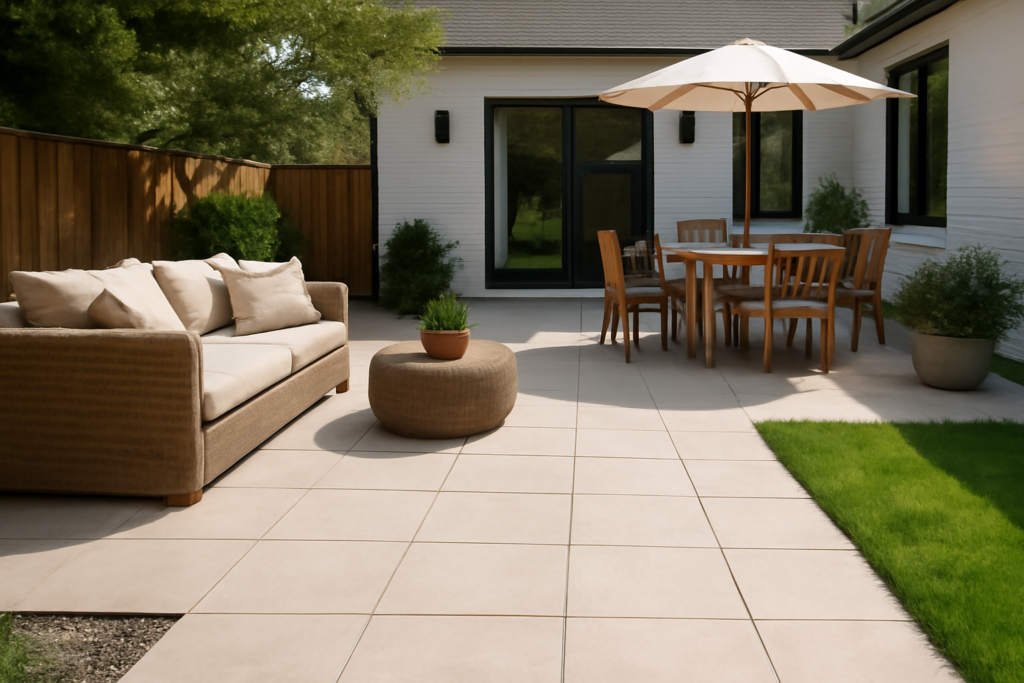
If you want a patio that shrugs off freeze-thaw cycles, resists stains, and never needs sealing, exterior porcelain pavers deserve a hard look. These are not the thin porcelain tiles you glue to a bathroom wall. Outdoor pavers are dense, full-body slabs manufactured at roughly 20 millimeters thick, which is close to three-quarters of an inch, so they can be dry-laid on gravel and sand like traditional concrete pavers or bonded to a mortar bed. That thickness, combined with a water absorption rate below 0.5 percent, is what lets them survive a Minnesota winter or a Phoenix summer without cracking, fading, or growing moss the way concrete and natural stone often do.
Part of our Tile & Grout guide — explore the full guide →
What Makes Outdoor Porcelain Different
The 2-centimeter format is the whole story here. A standard indoor porcelain tile runs 8 to 10 millimeters thick and would snap under a patio table leg the moment the ground shifted. The 20-millimeter paver is engineered to carry point loads and span small voids in a compacted base, which is why manufacturers rate many of them for pedestrian traffic when dry-laid and for vehicular traffic when set on a full mortar bed. Most sheets are fired at temperatures above 2,200°F, producing a body so vitrified that liquids simply cannot soak in.
Because the color and pattern run through printed surface layers protected by that dense body, exterior porcelain pavers hold their look for decades. They will not yellow in UV light, they resist the black organic staining that plagues shaded concrete, and a dropped glass of red wine wipes up with water rather than leaving a permanent shadow. For homeowners tired of resealing a flagstone patio every two years, that maintenance profile is the single biggest selling point.
Popular Looks and Sizes
The most common size by far is the 24-by-24-inch square, which balances a modern large-format appearance against a weight one person can still handle at roughly 45 to 50 pounds per piece. You will also find 24-by-48-inch planks that mimic long stone slabs and 12-by-24-inch rectangles for tighter running-bond layouts. Surface finishes read as one of four families, and picking the right one matters for both looks and safety.
- Stone-look — travertine, slate, and limestone reproductions with subtle texture and natural color movement.
- Wood-look — plank pavers that give a deck appearance with zero splinters, rot, or annual staining.
- Concrete and cement-look — flat, contemporary grays that suit modern architecture.
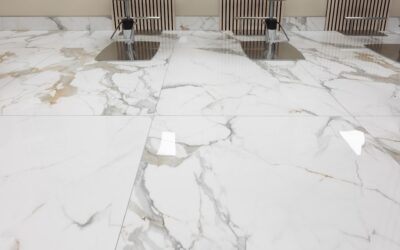
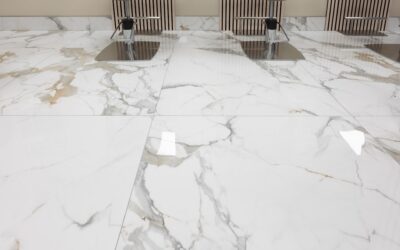
- Marble-look — for covered outdoor kitchens and pool surrounds where a refined finish reads well.
Whatever look you choose, check the slip rating. Outdoor pavers should carry an R11 rating or higher, and around a pool you want the textured or grip finish rather than a polished one. Manufacturers publish these numbers, and a reputable dealer will tell you the DCOF or R value before you buy.
Installation Methods
You have three realistic ways to install exterior porcelain pavers, and the right one depends on your climate and budget. The dry-lay method sets pavers directly on a bed of compacted gravel topped with a leveling layer of coarse sand or fine chip. It is the fastest, most forgiving approach, drains freely, and lets you lift a paver later if a utility line needs access. The pedestal method raises pavers on adjustable plastic feet over a roof deck, balcony, or uneven surface, creating a perfectly flat floating floor with a hidden drainage cavity beneath. Finally, the wet-set or mortar method bonds each paver to a concrete slab with a polymer-modified thinset rated for exterior use, which is the strongest option and the only one suitable for driveways.
For most backyard patios, dry-lay over a properly compacted base is the sweet spot. Excavate six to eight inches, compact a road-base gravel in lifts, screed a one-inch sand-and-chip setting bed, and lay the pavers with tight joints swept full of polymeric sand. Done correctly, the finished patio looks identical to a mortared installation but costs far less in labor.
Cost of Exterior Porcelain Pavers
Material pricing has come down considerably as more brands enter the market. Expect the following working numbers for the 2-centimeter format.
- Material only: roughly $6 to $12 per square foot for mainstream lines, and $13 to $18 for premium designer collections.
- Dry-lay installation labor: about $8 to $14 per square foot depending on base work and site access.
- Mortar-set over an existing slab: roughly $12 to $20 per square foot installed.
A typical 300-square-foot patio therefore lands somewhere between $4,500 and $9,000 turnkey, with base preparation being the biggest swing factor. That is more than a stamped concrete pour but competitive with premium concrete pavers, and the near-zero maintenance over 25 years often makes porcelain the cheaper choice across the life of the patio.
Pros and Cons to Weigh
The advantages are substantial. Porcelain never needs sealing, resists frost and stains, holds its color under UV, stays cooler underfoot than dark concrete in some finishes, and cleans with a garden hose. The pavers are dimensionally consistent, so joints stay uniform and the finished surface looks crisp.
The drawbacks are real but manageable. The slabs are heavy and rigid, so cutting them requires a wet saw with a diamond blade rather than a snap cutter, and DIY installers should expect to rent one. A poorly compacted base will telegraph into an uneven surface faster than it would with flexible concrete pavers, so base prep is not the place to cut corners. And while the pavers themselves are frost-proof, the joints still need attention, which brings us to upkeep.
Maintenance and Longevity
Caring for exterior porcelain pavers is genuinely simple. Sweep debris, rinse with a hose, and scrub the occasional stubborn spot with dish soap and a stiff brush. Because the body is nonporous, oil, grease, leaf tannin, and berry stains lift far more easily than they would from stone or concrete. Refresh polymeric sand in the joints every few years to keep weeds and ants out, and re-level any paver that settles by lifting it and adding setting bed underneath.
Handled this way, a porcelain patio realistically lasts 30 years or more with almost no degradation. That durability, combined with a look that ranges from rustic travertine to sleek modern concrete, is why exterior porcelain pavers have moved from a niche import product to a mainstream patio choice for American homeowners.
Porcelain Pavers Versus Other Patio Materials
It helps to see how porcelain stacks up against the alternatives you are probably weighing. Poured and stamped concrete is cheaper up front but cracks over time with freeze-thaw movement, fades under UV, and cannot be spot-repaired without an obvious patch. Natural stone like flagstone and travertine is beautiful but porous, so it needs regular sealing, stains from spills and organic debris, and often costs more than porcelain once you factor in maintenance. Traditional concrete pavers are durable and repairable but absorb water, grow moss in shade, and can shift or spall as they age.
Porcelain sidesteps most of those weaknesses. It never needs sealing, never fades, resists stains and frost, and any single paver can be lifted and replaced individually if it is ever damaged, which is a real advantage over a monolithic concrete slab. The trade-offs are the higher material cost than basic concrete and the need for careful base preparation and a wet saw for cutting. For homeowners who plan to stay in their home and want a patio that looks new for decades with almost no upkeep, exterior porcelain pavers usually win the long-term value comparison, even if they are not the cheapest option on day one.
Prefer to explore on your own?
See how new flooring looks in your actual room in seconds — free, no signup.
Try the free Floor Studio →