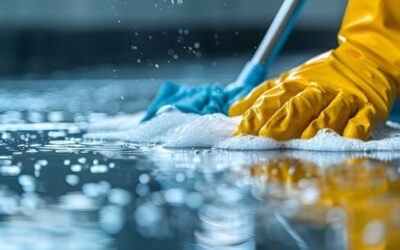
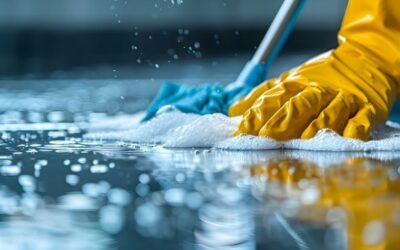
For everyday floor messes, a trusted multi-surface cleaner saves time and effort. Mr. Clean floor cleaner, part of the well-known Procter & Gamble cleaning line, is a household staple for mopping sealed floors and tackling general grime around the house. Used correctly, it cuts through dirt and leaves a fresh finish without much fuss.
This guide explains how to use Mr. Clean cleaners on floors, which surfaces they suit, proper dilution, safety, and how to avoid the streaks and residue that frustrate so many people.
What Mr. Clean Floor Cleaner Is
Mr. Clean is a long-running brand of multi-surface cleaning products. The liquid all-purpose cleaner is designed to be diluted in water and used to mop hard floors and wipe down many washable surfaces around the home. The brand also makes ready-to-use sprays and the well-known Magic Eraser, but for floors the concentrated liquid cleaner is the workhorse.
The appeal is versatility. One bottle handles sealed hard floors, walls, countertops, and other washable surfaces, which means fewer products under the sink. As with any cleaning product, the right results come down to using it as the label directs rather than guessing.
Which Floors It Works On
Multi-surface cleaners like this are formulated for sealed, water-tolerant hard floors. Generally appropriate surfaces include:
- Sealed tile and ceramic floors.
- Vinyl and linoleum flooring.
- Sealed and finished hard surfaces that tolerate damp mopping.
Be cautious with floors that do not like water or general-purpose cleaners. Unsealed wood, waxed floors, and some natural stone such as marble can be damaged by water or by cleaners not formulated for them. For hardwood and natural stone, use a cleaner made specifically for that surface, and always check the flooring manufacturer’s care guidance first. When unsure, test in an inconspicuous spot.
How to Dilute and Use It
Dilution is where most people go wrong. The instinct is to add extra cleaner for a deeper clean, but too much product is exactly what leaves a dull, sticky film. Always follow the dilution ratio printed on the label, since formulas and concentrations differ.
- Sweep or vacuum first to remove loose dirt and grit that would otherwise grind into the floor.
- Fill a bucket with warm water and add the cleaner at the label-recommended amount. More is not better.
- Dip and wring the mop so it is damp, not soaking. Excess water can seep into seams and damage flooring.
- Mop in sections, rinsing the mop in the solution as you go.
- For heavy grime, let the solution sit briefly before mopping, then go over it again.
- Allow the floor to air dry, or dry it with a clean cloth to speed things up.
If the label or your floor manufacturer recommends rinsing, follow that step to avoid buildup.
Getting Streak-Free Results
Streaks and haze almost always trace back to too much product or a dirty mop. To keep floors clear and bright, use the correct dilution, change your mop water when it turns gray, and wring the mop well. A dirty mop just smears grime around.
If your floors already have a cloudy buildup from over-concentrated cleaner, mop once with plain warm water to rinse the residue away, then resume normal use with proper dilution. A microfiber mop tends to leave fewer streaks than a string mop because it picks up rather than pushes around fine residue.
Safety and Smart Use
Mr. Clean products are everyday cleaners, but they still deserve basic care. Follow these guidelines:
- Never mix it with bleach or other cleaning chemicals. Combining products can create dangerous fumes.
- Ventilate the room while you work, especially when using the full-strength product.
- Wear gloves if you have sensitive skin, and keep the concentrate away from children and pets.
- Store the bottle sealed and upright, and keep it in its original container so the dilution instructions stay with it.
- Rinse splashes off skin and surfaces you did not intend to clean.
Always read and follow the manufacturer’s instructions on the specific product you buy, since the lineup includes several formulas.
Tools That Make the Job Easier
The cleaner is only half the equation; the right tools make mopping faster and more effective. A microfiber flat mop with a washable pad is the modern favorite, since it glides easily, holds the right amount of moisture, and rinses clean. A two-bucket system, one for the cleaning solution and one for rinsing the mop, keeps you from dunking a dirty mop back into clean solution, which is a major cause of streaks.
For everyday touch-ups between full mopping, a spray-and-wipe approach with a damp microfiber cloth or a spray mop handles small messes without filling a bucket. Keep a separate clean mop head reserved for floors only, and launder it after each use so grime does not build up in the fibers. Good tools, kept clean, do as much for your results as the cleaner itself, and they make the whole chore quicker.
Common Mistakes to Avoid
A few habits undermine good results. Using too much cleaner is the top culprit, leaving sticky residue that actually attracts more dirt. Mopping with a soaking-wet mop is another, since standing water can warp wood, lift vinyl seams, and seep under tile. Skipping the sweep step means you mop grit across the floor and risk fine scratches.
Finally, do not assume one cleaner is right for every floor. A product perfect for sealed tile may dull a waxed or oiled wood floor. Matching the cleaner to the surface protects your floors and your investment.
The Bottom Line
Mr. Clean floor cleaner is a dependable, versatile choice for routine mopping of sealed hard floors. The secret to great results is not complicated: sweep first, dilute exactly as the label says, use a damp not soaking mop, change dirty water, and keep the product matched to floors that tolerate it. Steer hardwood and delicate stone toward purpose-made cleaners, never mix chemicals, and ventilate as you work. Follow those basics and you will get fresh, clean floors without the streaks, haze, or damage that come from overdoing it.
Prefer to explore on your own?
See how new flooring looks in your actual room in seconds — free, no signup.
Try the free Floor Studio →