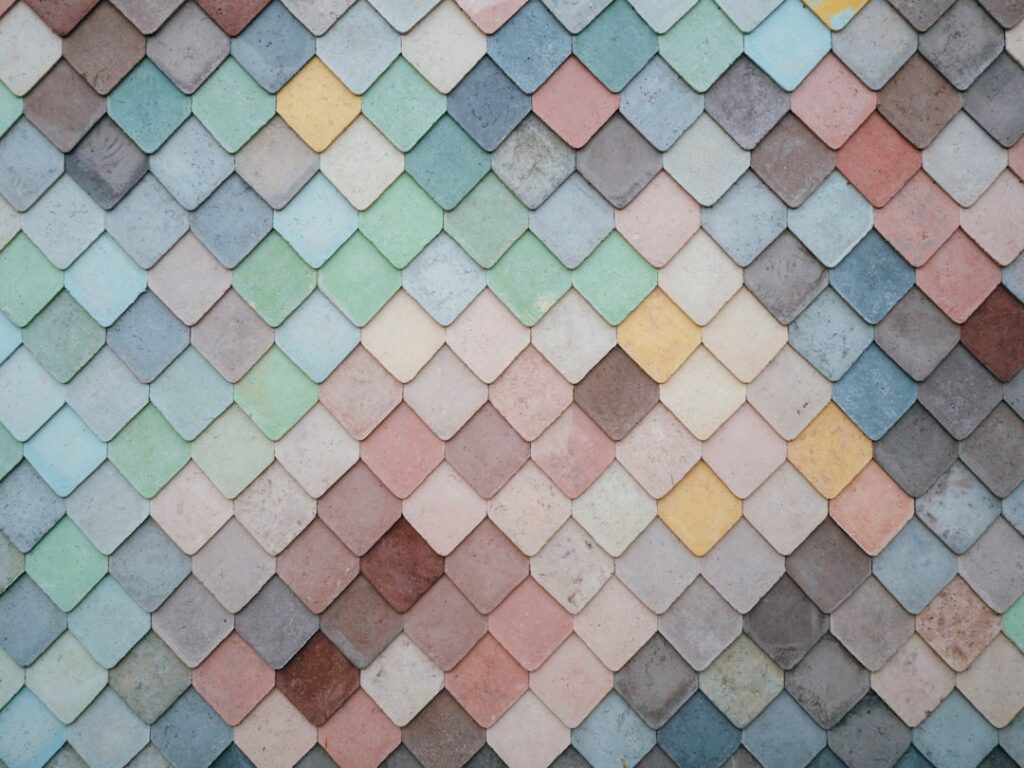
Walk into any well-designed powder room or Mediterranean kitchen and the floor often steals the show. That visual punch usually comes from multi color ceramic floor tile, a category that ranges from hand-painted Moroccan patterns to speckled terrazzo-look pieces. Homeowners love it because a single square foot can carry three or four colors, letting the floor act as artwork instead of a neutral backdrop. Get the pattern and grout right and the effect looks intentional; get it wrong and the room feels busy. This guide walks you through choosing, buying, and installing colorful ceramic without the guesswork.
- What Makes Multi Color Ceramic Tile Different
- Popular Patterns and Color Combinations
- Where Multi Color Tile Works Best
- Durability and PEI Ratings
- Cost and Budgeting
- Grout Choices That Make or Break the Look
- Installation Tips for a Clean Result
- Cleaning and Long-Term Care
- Common Mistakes to Avoid
- Is Colorful Ceramic Right for You?
What Makes Multi Color Ceramic Tile Different
Standard ceramic tile carries one glaze color across the entire face. Multi color versions layer several glazes, either printed digitally or applied by hand, so each tile shows a pattern of two to six hues. The clay body underneath is the same red or white bisque you would find in any ceramic product, fired at roughly 1,900°F to 2,100°F. The difference lives entirely in the surface glaze and the decoration process.
You will see three broad styles on the market. Encaustic-look tiles mimic old cement tiles with geometric shapes in contrasting colors. Zellige-inspired pieces use varied glaze tones so no two tiles match exactly. Terrazzo and speckle patterns scatter small colored chips across a base color. Each reads very differently underfoot, so decide on the mood before you shop.
Popular Patterns and Color Combinations
Pattern choice drives everything else. A few combinations show up again and again because they simply work in American homes:
- Blue and white: Classic and calming, ideal for coastal kitchens and laundry rooms.
- Black, white, and mustard: A retro palette that suits mid-century and eclectic spaces.
- Terracotta, teal, and cream: Warm Mediterranean tones for entryways and sunrooms.
- Gray, blush, and charcoal: A softer modern look for bathrooms.
Tiles come as single patterned pieces or as sets of four that form a larger motif when grouped. The four-piece format gives you a bigger repeat and a more dramatic rug effect, but it demands careful layout so the pattern lands centered in the room. Order a few loose tiles first and lay them dry on the floor before committing.
Where Multi Color Tile Works Best
Because the pattern already carries so much visual weight, colorful ceramic shines in smaller, defined spaces. Powder rooms, mudrooms, entry foyers, kitchen backsplashes carried onto the floor, and laundry areas all take the pattern well. In these rooms the floor becomes the design centerpiece, and you can keep walls and cabinets neutral.
Large open-concept great rooms are trickier. A busy pattern spread across 400 square feet can overwhelm the eye and fight with furniture. If you love the look in a big space, consider using the tile as an inset “rug” under a dining table and surrounding it with a plain field tile. That approach gives you the color without the visual fatigue.
Durability and PEI Ratings
Colorful surface glazes do not weaken the tile, but you still need to match the product to foot traffic. Ceramic tiles carry a PEI abrasion rating from 1 to 5. For residential floors, look for PEI 3 or higher. Bathrooms and powder rooms can use PEI 2 or 3, while busy entryways and kitchens should get PEI 4.
Ceramic is softer and more porous than porcelain, with a water absorption rate typically between 3% and 7%. That is fine indoors, but colorful ceramic is not rated for exterior use in freeze-thaw climates, where trapped moisture can crack the tile. Check the coefficient of friction too; a rating of 0.42 or higher (or a DCOF of 0.42 wet) gives you reasonable slip resistance for a floor.
Cost and Budgeting
Price swings widely based on how the color is applied. Mass-produced digitally printed multi color ceramic floor tile runs about $3 to $8 per square foot at big-box stores. Mid-range patterned lines from specialty brands land between $9 and $18 per square foot. Genuine hand-painted or artisan encaustic-look ceramic can reach $20 to $40 per square foot.
Budget for the extras that always sneak up on projects. Thinset mortar adds roughly $0.50 to $1 per square foot, grout another $0.30 to $0.75, and a quality sealer for the grout lines about $25 per bottle. Professional installation of patterned tile costs $8 to $15 per square foot because the layout takes longer than plain tile. Always order 10% to 15% extra to cover cuts, breakage, and future repairs.
Grout Choices That Make or Break the Look
Grout color is the single biggest decision after the tile itself. A contrasting grout, such as charcoal against a light pattern, frames each tile and emphasizes the geometry. A matching or blended grout softens the grid and lets the colors flow together. For a busy multicolor pattern, many designers pull a mid-gray grout that reads neutral against every hue.
Use an unsanded grout for joints under 1/8 inch and sanded grout for wider joints. Epoxy grout costs more, around $8 to $12 per pound, but it resists stains and never needs sealing, which is worth it in a colorful bathroom where you do not want dirty grout lines competing with the pattern. Seal cement-based grout within a few days of installation and reseal annually.
Installation Tips for a Clean Result
Start by finding the center of the room and snapping chalk lines to establish your layout. Dry-lay at least two rows in each direction so you can center the pattern and avoid slivers at the walls. With four-piece motif tiles, keep the rotation consistent unless the manufacturer intends random placement.
Back-butter each tile and use a 1/4-inch by 1/4-inch notched trowel for standard sizes to guarantee full coverage. Wipe glaze faces frequently, because dried thinset haze is harder to remove from a textured, colorful surface. Let the mortar cure 24 hours before grouting and 48 to 72 hours before heavy foot traffic. A little patience here protects an investment you will look at every single day.
Cleaning and Long-Term Care
One underrated advantage of a busy multicolor floor is how well it hides everyday mess. Crumbs, pet hair, and tracked-in dirt disappear against a patterned surface, so you can go longer between deep cleans than you could with a solid pale tile. Routine care is simple: sweep or vacuum grit that would otherwise scratch the glaze, then damp mop with a pH-neutral cleaner diluted per the label, usually about one ounce per gallon of warm water.
Skip acidic cleaners like vinegar and harsh abrasives, which can dull the glaze and erode cement grout over time. For stuck-on grime, a soft nylon brush and a little baking soda paste lift it without scratching. The grout lines are the part that shows wear first, so reseal cement grout once a year and spot-treat stains promptly. With a sealed grout and gentle cleaners, a colorful ceramic floor holds its saturation for 20 years or more.
Common Mistakes to Avoid
The biggest error is buying too little tile. Patterned lots change from batch to batch, and a repair three years later may not match, so keep at least a full box in storage. The second mistake is ignoring the room’s fixed elements. A loud floor fights a loud countertop or a patterned wallpaper, so let one surface lead and keep the rest calm.
Finally, do not skip the dry layout. Homeowners who rush straight to thinset often end up with an off-center pattern or thin slivers along the most visible wall. Ten minutes of dry-fitting protects the entire look, and it costs nothing but patience.
Is Colorful Ceramic Right for You?
If you want personality and are willing to commit to a bold floor, this tile delivers a look that plain flooring never will. Keep it to well-scaled rooms, choose a PEI rating that matches the traffic, and spend the extra time on layout and grout. Done right, a colorful ceramic floor feels custom and timeless rather than trendy, and it hides everyday dirt far better than a solid pale tile ever could.
Prefer to explore on your own?
See how new flooring looks in your actual room in seconds — free, no signup.
Try the free Floor Studio →