Synthetic carpet still dominates the residential market, but a growing share of homeowners are switching to plant- and animal-fiber options for cleaner indoor air and a more interesting underfoot texture. A well-chosen natural carpet can last 25 years, hide footprints better than nylon, and avoid the off-gassing that comes with PET or polypropylene. The trade-offs are real — price, stain sensitivity, and care routine all change — and choosing the right fiber for the right room is the difference between a beautiful upgrade and an expensive mistake.
The Five Main Natural Fibers
The natural carpet category covers more ground than people assume. The five fibers worth considering are wool, sisal, jute, seagrass, and coir. Each comes from a different plant or animal, and each has a distinct hand-feel, cost range, and durability profile. Cotton and silk show up occasionally in flat-weave rugs but are rarely used for wall-to-wall installations because they crush and stain too easily.
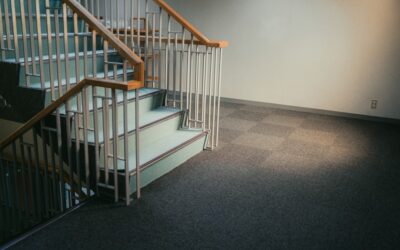
Before picking a fiber, decide where it is going. Bedrooms, formal living rooms, and home offices have lower traffic and can take a softer fiber. Stairs, hallways, and entryways need fibers that resist crushing and hide soil.
Wool: The Premium Standard
Wool is the only natural fiber that competes head-on with nylon for whole-house installation. New Zealand wool is the gold standard, with longer staple lengths than wool from other regions, which translates to a tighter twist and better resilience. Expect to pay $8-$15 per square foot for residential wool, plus $4-$7 per square foot for pad and installation — a total of $12-$22 installed.
What you get for the price: natural flame resistance, soil release because lanolin in wool repels water-based stains, springback that keeps furniture impressions from going permanent, and a 20-25 year lifespan in living spaces. Wool also takes dye beautifully, so the color range is far wider than other natural fibers.
The downside is moths. Wool needs occasional treatment with a permethrin-based moth repellent, especially in areas with low foot traffic where larvae can settle in. Vacuum twice a week and rotate furniture every six months and most moth problems never start.
Sisal: The Tough Plant Fiber
Sisal comes from the agave plant and is the most durable plant-based carpet fiber. Tight, ropy weaves stand up to chair wheels, dog nails, and high foot traffic — which is why sisal shows up in hallways and stairs of high-end homes. Expect $6-$12 per square foot before installation.
Sisal hates water. Spilled coffee leaves a permanent watermark even if you blot immediately, because the fiber expands when wet and dries unevenly. Pre-treating with a fluorocarbon-based protector at install time helps, but sisal is the wrong choice for dining rooms, kitchens, or any household with toddlers or pets prone to accidents.
Texture-wise, sisal is firm — closer to a rough mat than a plush carpet. It is excellent for a craftsman or coastal aesthetic but uncomfortable to sit on directly. Use a low-pile sisal in a Sunbrella weave for porches and sunrooms where indoor-outdoor performance matters.
Jute: Soft, Affordable, and Limited
Jute is the softest plant fiber, with a hand-feel approaching wool at roughly half the cost. Bedroom installations of jute area rugs run $4-$8 per square foot. The fiber comes from the jute plant, native to India and Bangladesh, and is the same material as burlap sacks — only finer.
The catch with jute is durability. It crushes faster than sisal and shows wear within three to five years in heavy-traffic areas. Use jute in low-traffic bedrooms, under coffee tables, or as a textural layer beneath a smaller decorative rug. Avoid it on stairs entirely.
Seagrass: The Stain-Resistant Outlier
Seagrass is harvested from coastal marshes and has a naturally smooth, almost waxy surface. That coating means it actually resists stains better than any other natural fiber, including wool. Liquid spills bead up and can be blotted off without leaving a watermark.
The trade-off is color. Seagrass cannot be dyed because the surface coating prevents penetration. You get the natural greenish-tan color and nothing else. For coastal, Southwestern, or organic-modern aesthetics, this is a feature. For homes that want a specific paint-friendly neutral, it is a hard limit.
Seagrass costs roughly the same as sisal, $6-$11 per square foot, and lasts 10-15 years in moderate traffic. It is firm underfoot, similar to sisal in feel.
Coir: The Toughest, Roughest Option
Coir comes from coconut husks and is essentially the same material as commercial entryway mats. It is the toughest natural fiber by a wide margin, but it is far too coarse for whole-room installations. Use it only in mudrooms, garages, and entryways where the goal is to scrape mud off boots.
Coir runs $3-$6 per square foot for matting. It does not respond well to vacuuming — shake it out outdoors or use a stiff broom.
Pad and Installation Considerations
Natural fiber carpets typically install over a felt or natural rubber pad rather than the foam pads used under synthetic broadloom. A 40-ounce felt pad ($1-$2 per sq ft) supports the woven structure of sisal and jute and prevents the backing from working loose. Synthetic foam pads can react with natural fiber backings over time and should be avoided.
Installation requires a skilled crew. The seams in woven natural fibers do not melt together like synthetic seams do. Expect installation costs $1-$2 higher per square foot than for synthetic carpet, simply because the labor is more demanding.
Cleaning and Daily Care
Vacuum natural carpet weekly with a suction-only vacuum, never a beater bar. Beater bars rip plant fibers and accelerate shedding. For spills:
- Blot immediately with a dry cloth — do not rub
- For wool: use cool water with a drop of clear dish soap, then a clean-water rinse blot
- For sisal, jute, and seagrass: blot only — water will leave a permanent mark
- Schedule professional dry cleaning (low-moisture method) every 12-18 months
- Never steam-clean plant-fiber carpet
Pricing Summary and How to Choose
- Whole-house residential with pets/kids: wool
- Stairs and hallways for adults only: sisal
- Low-traffic bedroom on a budget: jute
- Sunroom or coastal aesthetic: seagrass
- Entryway or mudroom: coir matting
The right natural carpet pays back its premium in years of use, healthier indoor air, and a texture that simply photographs better than wall-to-wall nylon. Match the fiber to the room, treat it gently, and you will not regret the upgrade.