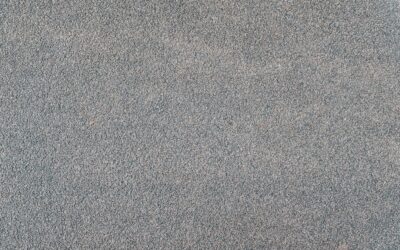
Natural fiber carpet is flooring woven from renewable plant and animal materials rather than petroleum-based synthetics. Wool, sisal, jute, seagrass, and coir make up the main category, and each brings a distinct texture, price, and durability profile. Homeowners drawn to these materials usually want a warmer, more organic feel underfoot, lower off-gassing, and a product that ages gracefully instead of matting into a shiny path.
Choosing among the options means weighing softness against toughness, and appearance against maintenance reality. Wool feels plush and resists crushing, while sisal and coir are rugged but coarse. This guide breaks down each fiber, realistic costs, where to install them, and how to keep them looking good for a decade or more.
The Main Natural Fibers Compared
Not all of these materials behave alike. Wool is the only animal fiber in the group and the softest; the rest are plant-based and considerably firmer. Understanding the differences prevents an expensive mismatch, like putting scratchy coir in a bedroom or delicate jute in a hallway.
- Wool: soft, resilient, naturally flame-resistant, and excellent at hiding wear. The premium choice, and the priciest.
- Sisal: from agave leaves, very durable with a fine woven texture. Takes dye well but stains easily.
- Jute: soft for a plant fiber, low sheen, but the least durable, best in low-traffic rooms.
- Seagrass: smooth, slightly slick, naturally stain-resistant because its fibers are nearly nonporous.
- Coir: coconut husk fiber, extremely tough and coarse, ideal for doormats and entryways.
Durability and Traffic Ratings
Longevity varies widely across this category. Wool can last 20 years or more with proper care, which partly justifies its cost. Sisal and seagrass handle moderate to heavy traffic well and typically serve 10 to 15 years. Jute is the softest but wears fastest, making it a poor pick for stairs or main hallways where it can fray within a few years.
For high-traffic zones, wool and sisal are the safe bets. Coir outlasts everything for pure abrasion resistance, but its rough surface rules it out for living spaces. Match the fiber to the room’s foot traffic and you avoid premature replacement.
Cost Expectations
Prices sit above basic synthetic carpet in almost every case. Expect the following rough ranges for material alone, before installation:
- Jute: $3 to $6 per square foot, the budget entry point.
- Seagrass and sisal: $4 to $9 per square foot.
- Coir: $3 to $7 per square foot, though rarely used wall-to-wall.
- Wool: $8 to $20+ per square foot depending on weave and origin.
Professional installation typically adds $1 to $3 per square foot, and natural fibers sometimes require an experienced installer because they can shrink or expand with humidity. Budget for quality padding too, since a good cushion extends the life of any carpet significantly.
Best Rooms for Each Fiber
Placement makes or breaks satisfaction with these materials. Bedrooms and formal living rooms suit wool, where its softness is felt and traffic is gentle. Sisal and seagrass shine in family rooms, offices, and hallways that see steady use but not constant grit. Jute belongs in a low-use bedroom or a layered area rug rather than a busy path.
Avoid all plant fibers in bathrooms, kitchens, basements, and any damp area. They absorb moisture, can develop mildew, and may warp. Seagrass tolerates humidity best of the plant group, but none should sit where spills and steam are constant. Wool handles moisture better and even wicks away small spills, yet it still is not a wet-room material.
Cleaning and Maintenance
Care differs sharply from synthetics, and using the wrong method can ruin a natural fiber floor. Most plant fibers cannot be steam cleaned or saturated with water, because moisture causes staining, shrinkage, and brown watermarks. Dry-clean methods and prompt blotting are the rule.
- Vacuum regularly with a suction-only setting; beater bars can fray woven plant fibers.
- Blot spills immediately with a dry cloth, working from the outside in.
- Use dry-cleaning powders or a professional low-moisture service rather than a steam machine.
- Address wool with wool-safe products; its natural lanolin resists dirt but harsh chemicals strip it.
Seagrass and treated wool resist stains best. Jute is the most stain-prone, so keep it away from dining areas and homes with young children or pets.
Weave Styles and Texture Options
Natural fibers are woven into several recognizable patterns, and the weave changes both the look and the feel underfoot. The most common are boucle, herringbone, and a flat basketweave. Boucle uses looped yarns for a soft, knobby texture that is gentler on bare feet than a tight flat weave. Herringbone creates a subtle chevron pattern that reads as understated and elegant, while basketweave gives a chunkier, more casual grid.
The tighter the weave, the more durable and stain-resistant the surface tends to be, but also the firmer it feels. Looser, softer weaves are more comfortable but trap dirt more readily and can snag. When you request samples, run your palm across the surface and press a fingernail in; a dense weave springs back quickly and signals a floor that will resist crushing in traffic lanes.
Installation Considerations
These materials react to their environment more than synthetics do, and installation should account for that. Plant fibers expand and contract with humidity, so many installers acclimate the carpet in the room for 24 to 72 hours before laying it. In dry climates or homes with wide seasonal humidity swings, small gaps or minor buckling can appear, which a knowledgeable installer plans for by leaving appropriate tolerances.
Wall-to-wall installation usually requires gluing or stretching over a suitable pad, and seams on patterned weaves like herringbone must be aligned carefully to avoid a visible break. Because mistakes are costly on premium wool or sisal, hiring an installer experienced specifically with natural fibers is money well spent rather than treating it like a standard synthetic job.
Eco and Health Advantages
These materials appeal to homeowners concerned about indoor air quality. They are renewable, biodegradable, and generally free of the volatile organic compounds that new synthetic carpets can off-gas. Wool in particular is naturally flame-resistant and can help buffer indoor humidity by absorbing and releasing moisture.
If low-VOC living is a priority, pair the carpet with a natural rubber or felt pad and low-toxicity adhesives, since the backing and glue can undercut the benefits of an otherwise clean product. Look for undyed or naturally dyed options to keep the chemical footprint minimal.
Making the Right Choice
The best pick comes down to matching fiber traits to your household. For a soft, long-lasting, forgiving surface in living areas and bedrooms, wool is worth the premium. For durable texture in busy rooms on a tighter budget, sisal or seagrass deliver. Reserve jute for gentle spaces and coir for entry mats.
A well-chosen natural fiber carpet rewards the investment with character that synthetic products cannot match, from the subtle sheen of seagrass to the deep resilience of wool. Weigh traffic, moisture exposure, and your tolerance for careful maintenance, then choose the fiber that fits the room rather than forcing one material everywhere. Get the match right and you will enjoy a floor that feels good, looks refined, and holds up for years.