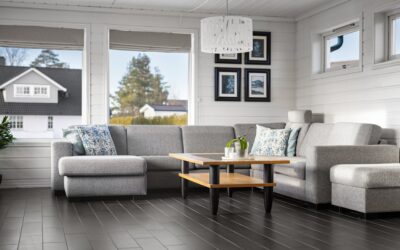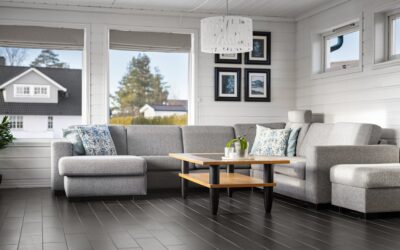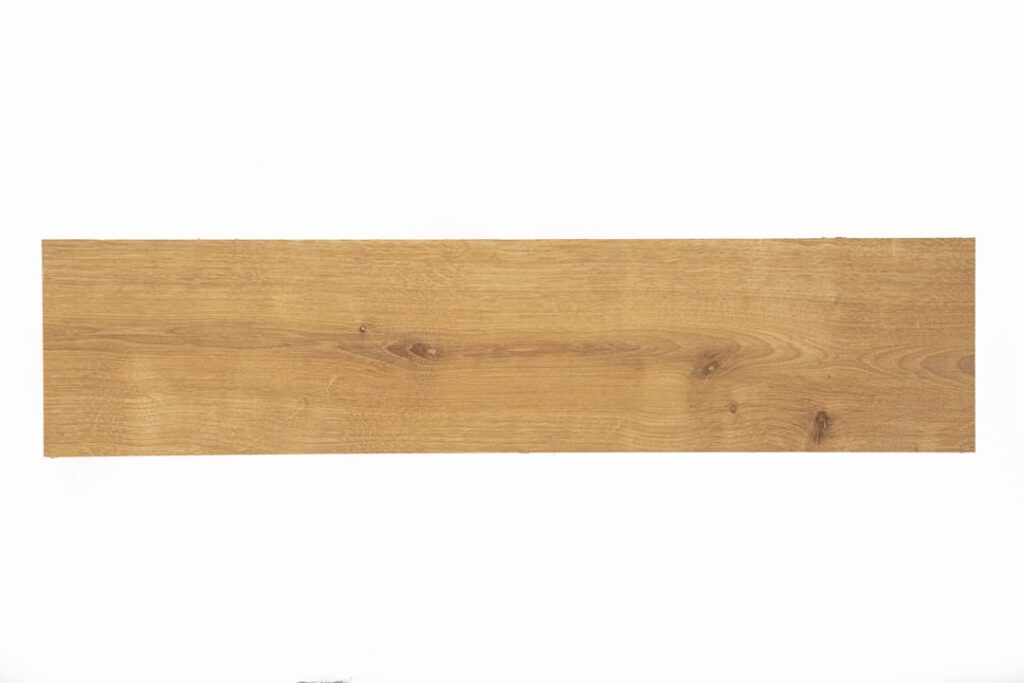
Oak visuals dominate luxury vinyl the way silver dominates cars — by a mile — and “natural” is the most searched shade of all: pale, honey-neutral, undyed-looking wood without orange or gray gimmicks. Natural oak vinyl plank flooring aims to reproduce that raw, just-sanded white oak look in a waterproof plank, and the best products now get startlingly close thanks to embossed-in-register texture, low-gloss finishes, and huge print variety. The worst still look like a photograph of wood laminated to plastic, because that is literally what LVP is. This guide is about telling the two apart: the specific features that create realism, the color sub-families within “natural oak,” and the specs worth paying for.
What “Natural Oak” Means on a Sample Board
In current design language, natural oak sits between the extremes that dated earlier eras: no 2005 orange-toned gunstock, no 2015 heavy gray. The family breaks into recognizable sub-shades worth knowing when you search product lines:
- Blonde/Nordic oak: palest of the group, Scandinavian-style, slightly creamy. Maximizes light in small rooms; shows dark pet hair the most.
- True natural/raw oak: the “unfinished white oak” look — light tan with balanced beige-neutral undertones. The safest resale shade in the category.
- Honey/golden natural: a half-step warmer, reads inviting rather than orange when done well.
- Greige oak: natural with a whisper of gray — the transitional pick if your fixed finishes lean cool.
Undertone discipline is the whole game with light floors: order full-size samples, view them in your home at morning and evening light, next to your cabinets and trim. A plank that looked neutral under showroom LEDs can turn pink or yellow under warm household bulbs.
The Realism Checklist: What Separates Convincing From Cheap
Five features do the visual heavy lifting, and each one is checkable on a sample:
- Embossed-in-register (EIR) texture. On EIR planks, the physical grain texture aligns exactly with the printed grain — run a fingertip along a printed knot and you feel the knot. Non-registered embossing (a generic tick pattern over any print) is the single biggest realism downgrade. EIR is standard on quality lines now and worth insisting on.
- Low sheen. Real raw oak is matte. A glossy “natural oak” plank reads as plastic instantly. Look for matte or ultra-matte finishes; some premium lines add micro-texture that scatters light like sawn wood.
- Print variety. Cheap products repeat the same board image every 4 to 8 planks — and your eye finds twin knots across the room. Better lines carry 20 to 40+ unique screens. Ask for the spec or lay out a full carton and hunt for repeats before committing.
- Bevel treatment. Painted micro-bevels in a matching tone create board definition; deep dark V-grooves on a pale floor look like a grid, not wood planks.
- Format. Real European oak flooring runs long and wide; LVP that mimics it should too. 7 to 9 inch widths and 60 to 84 inch lengths sell the illusion far better than 6×36 economy formats.
Specs Under the Photo Layer
Realism is worthless on a plank that scuffs through, so hold natural oak product to the same structural standards as any LVP: a 12 mil wear layer minimum for busy homes (20 mil for pets, rentals, or entry-level commercial), urethane finish with ceramic or aluminum oxide reinforcement, and FloorScore certification. Construction choice follows your subfloor: rigid-core SPC handles imperfect slabs and big temperature swings (sunrooms, coastal homes); flexible glue-down suits large open areas and repair-ability; WPC gives the softest, quietest walk on upper floors. One color-specific note: pale floors show scratches less than dark ones but show scuff marks and dirt films more, so a quality low-maintenance wear surface matters more here than on a mid-brown.
What It Costs
- Entry LVP with generic oak print: $1.50 to $2.50 per sq ft — short formats, repeaty prints, 6-12 mil wear layers.
- Mid-range EIR natural oak, SPC or WPC: $2.50 to $4.50 per sq ft — the value sweet spot; convincing texture, 12-20 mil, attached pad.
- Premium long-wide-format lines: $4.50 to $7 per sq ft — 9 inch widths, painted bevels, big print libraries, ultra-matte finishes.
- Installation: $1.50 to $3.50 per sq ft click floating; $2 to $4 glue-down; DIY very achievable with click product.
A 500 sq ft main area in a convincing mid-range product lands around $2,000 to $4,000 installed — roughly a third of the cost of comparable real white oak, which is exactly the trade this category exists to offer.
Styling and Layout Tips for Light Oak Visuals
A few installer-level decisions make a pale oak LVP read more expensive than it is. Run planks parallel to the longest sightline or toward the main window — light floors show plank direction strongly, and a layout that fights the room’s geometry is noticeable in a way it never is on dark floors. Blend cartons as you lay (pull from three or four at once) so subtle dye-lot shifts never form a visible zone. At transitions, color-matched T-molding in the same product line beats generic metallic strips by a mile on a light floor. And think about the fifth wall: natural oak pairs with nearly everything, but it particularly flatters white, sage, navy, and black cabinetry, while fighting orange-toned wood furniture from the 1990s. If your furniture leans warm cherry or oak-heavy, the greige end of the natural family will bridge the gap better than a pure Nordic blonde.
Honest Limits vs. the Real Thing
Fairness section: no vinyl plank gains patina — it looks the same on day 3,000 as day 3, which is a feature for some and a flatness for others. Deep gouges cannot be sanded out, only planked over or patched. Vinyl can fade or discolor in intense direct sun (check the warranty’s UV clause for south-facing rooms), and resale appraisals still credit hardwood above LVP in mid-to-upper price brackets. What you get in exchange is complete waterproofing, zero refinishing, pet-proof practicality, and a light oak look that real wood can only deliver with expensive white oak and ongoing care. For kitchens, basements, baths, and rental units, that trade is usually a win; in the formal spaces of a $700k house, real oak still earns its premium.
The Bottom Line
Natural oak vinyl plank flooring is the most popular product category in the most popular flooring material for a reason: the pale, calm, real-wood look with none of wood’s water anxiety. Buy EIR texture, matte sheen, long-wide formats, a 12-20 mil wear layer, and a print library big enough that your floor never twins itself — and check undertones in your own light before ordering. Do that, and most guests will need to kneel down and touch it to know.
Prefer to explore on your own?
See how new flooring looks in your actual room in seconds — free, no signup.
Try the free Floor Studio →