Real wood remains the floor buyers most want underfoot, prized for warmth, character, and the way it ages into something better with time. Shopping for nature wood floors means evaluating natural and naturally finished wood products, solid boards, engineered planks, and the low-VOC oil finishes that let the grain show through, so you can match the right wood to your home and budget. The catch is that two floors that look similar in a showroom can differ hugely in construction, durability, and refinishing potential. This guide breaks down how to read a wood floor so you buy one that lasts.
Solid vs Engineered Wood
The first decision shapes everything else. Solid hardwood is a single piece of wood, typically 3/4 inch thick, that can be sanded and refinished many times over a 50-plus-year life, but it expands and contracts with humidity and isn’t recommended over concrete or radiant heat. Engineered wood bonds a real-wood top layer to a stable plywood or HDF core, so it moves far less and works over slabs and underfloor heating.
For most modern homes, especially over concrete or with radiant heat, engineered is the practical pick. Choose solid wood when you want maximum refinishing life in a stable, dry room and plan to keep the floor for decades.
What “Natural” Finish Really Means
A natural finish lets the wood look like wood rather than a glossy coating. The main choices are:
- Hardwax oil: Penetrates the grain for a matte, natural feel; easy to spot-repair, needs periodic re-oiling
- Water-based polyurethane: Clear, low-odor, durable film that keeps the wood’s true color
- Oil-based polyurethane: Tougher and warmer-toned but ambers over time and off-gases more
- UV-cured factory finish: Extremely durable prefinished coating applied at the mill
If you want that raw, untreated-wood look with low VOCs and the ability to repair scuffs yourself, hardwax oil delivers it. For the lowest maintenance, a factory UV-cured finish is the most bulletproof.
Species and Grade
Wood species sets both hardness and look. The Janka hardness scale measures dent resistance: white oak (about 1,360) and hickory (about 1,820) shrug off pets and kids, while walnut (about 1,010) is softer and shows more character marks. Domestic oak, maple, and hickory dominate American homes for good reason, durable, available, and easy to refinish.
Grade affects appearance and price. “Select” or “clear” grades are uniform with few knots; “character,” “rustic,” or “natural” grades show knots, mineral streaks, and color variation that many buyers now prefer for an organic look. Lower grades aren’t lower quality structurally, they simply embrace the wood’s natural markings, often at a better price.
What Wood Floors Cost
Pricing spans a wide range with species, construction, and finish:
- Engineered oak: $4-$9 per sq ft materials
- Solid oak or maple: $6-$12 per sq ft materials
- Premium or exotic species: $10-$20+ per sq ft materials
- Professional installation: $3-$8 per sq ft depending on method
Floating engineered floors are cheapest to install; glue-down and nail-down solid boards cost more in labor. Budget for underlayment, trim, transitions, subfloor prep, and about 7-10% waste so the headline price doesn’t surprise you at checkout.
How to Evaluate a Wood Floor Before Buying
Look past the showroom finish to the specs that predict performance. On engineered boards, ask the thickness of the real-wood wear layer, 2mm or more can be sanded at least once, while a 0.6mm veneer cannot be refinished at all and is essentially a one-life floor. Check the core material; a quality plywood core is more stable and screw-holding than cheap HDF.
Confirm the Janka hardness for your household’s wear, read the warranty for whether professional installation is required, and order a large sample to view in your own light across a full day. Living with a sample beats regretting a whole-house order under different lighting.
Installation and Care
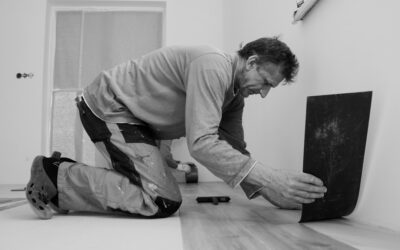
Wood needs to acclimate to your home, leave boxed boards flat in the room for 48-72 hours so their moisture content equalizes before fitting. A good installer checks subfloor moisture and flatness, aims for within 3/16 inch over 10 feet, and uses the right method for your product and subfloor.
Once down, protect it: sweep grit regularly, damp-mop with a neutral pH wood cleaner, skip steam mops and standing water, use felt pads under furniture, and hold indoor humidity around 35-55% to limit seasonal movement. An oil-finished floor can be spot-repaired at home, while a polyurethane floor can be screened and recoated every several years to refresh it without a full sand.
Sustainability and Sourcing
For buyers drawn to natural wood, where it comes from matters as much as how it looks. Look for flooring certified by a credible forestry program, which indicates the timber was harvested from responsibly managed forests rather than clear-cut sources. Domestic species like oak, maple, and hickory carry a smaller transport footprint than exotic imports and are typically easier to source sustainably.
Reclaimed wood is another natural option with real character: boards salvaged from old barns, factories, and warehouses bring dense, old-growth grain and a history no new product can match, while keeping timber out of the landfill. If indoor air quality is a priority, choose low-VOC finishes and adhesives, and ask about formaldehyde emissions on engineered cores, since cheaper imports can off-gas more than products meeting stricter standards.
Common Buying Mistakes
A few errors trip up wood-floor buyers repeatedly. The first is judging a floor by its showroom feel and finish instead of its specs; a gorgeous board with a 0.6mm veneer can never be refinished and may not outlast a cheaper plank with a thicker wear layer. The second is ignoring the subfloor, ordering solid wood for a concrete slab or radiant heat, where it will cup and gap, when engineered was the right call.
Other classic mistakes include skipping acclimatization to save a few days, underestimating waste and running short mid-install, and choosing a high-gloss finish that shows every scratch and footprint in a busy home. Order extra material from the same batch for future repairs, view large samples in your actual light, and match the finish sheen to your household, lower sheens hide wear far better than gloss.
The Bottom Line
Buying nature wood floors well comes down to matching construction, solid or engineered, to your subfloor, choosing a natural finish that fits your maintenance appetite, and reading the wear-layer and species specs that predict how long the floor lasts. Acclimate the boards, hire an installer who checks moisture and flatness, and care for the surface gently, and a real-wood floor will reward you with decades of character no synthetic can copy.
Prefer to explore on your own?
See how new flooring looks in your actual room in seconds — free, no signup.
Try the free Floor Studio →