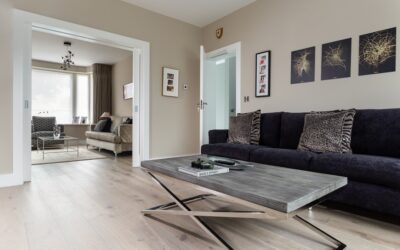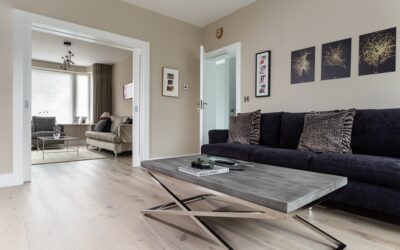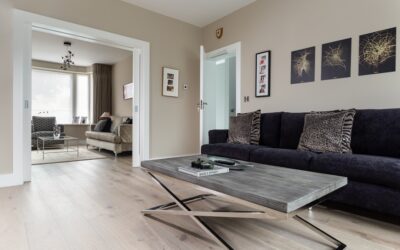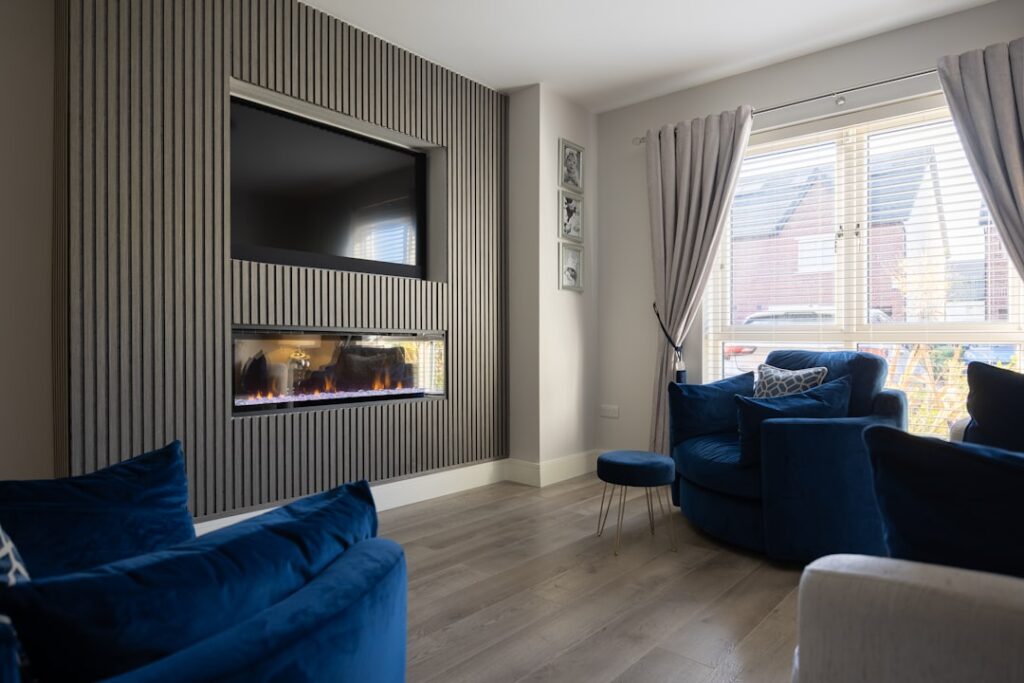
The look of natural oak is one of the most requested styles in American homes, yet solid oak planks can run $8 to $15 per square foot installed. Oak effect laminate flooring recreates that same warm grain and color for roughly $1 to $4 per square foot, which is why it has become one of the best-selling floor finishes in the country. At D and G Flooring we field more questions about oak-look laminate than almost any other product, so this guide breaks down exactly what it is, where it shines, where it falls short, and how to pick the right plank for your space.
What Oak Effect Laminate Flooring Actually Is
Laminate is a multi-layer engineered product, not a sliver of real wood. A typical plank has four layers fused under heat and pressure. The bottom is a moisture-resistant backing that keeps the board flat. Above it sits a high-density fiberboard (HDF) core that provides rigidity and dent resistance. The third layer is the decor layer, a high-resolution photographic image of oak grain. On top is a clear melamine wear layer that protects against scratches, fading, and foot traffic.
The “oak effect” comes entirely from that printed decor layer. Modern printing and embossing technology has improved so much that many planks now feature embossed-in-register (EIR) texture, meaning the surface bumps and grooves line up with the printed grain. Run your hand across a quality EIR plank and it feels remarkably close to brushed oak.
The Main Advantages
Oak-look laminate earns its popularity for several concrete reasons:
- Cost savings. You get the visual warmth of oak at a fraction of the price of hardwood or engineered wood. The savings on a 400 square foot living room can easily reach $2,000 or more.
- Scratch resistance. The melamine wear layer is harder than most hardwood finishes. Homes with dogs, kids, and heavy chairs tend to hold up better with laminate than with soft oak.
- Easy installation. Nearly all modern oak laminate uses a click-lock floating system. Planks snap together over an underlayment without nails or glue, which makes it a realistic weekend DIY project.
- Color consistency. Because the grain is printed, you avoid the wild color variation you sometimes get with natural oak boards. You can preview the exact tone in the store and know your floor will match.
- Low maintenance. No sanding, no refinishing, no oiling. Sweep, occasionally damp-mop, and the floor looks new for years.
The Honest Drawbacks
No flooring is perfect, and being upfront about the limitations helps you decide:
- It cannot be refinished. Once the wear layer is worn through or a plank is gouged, the only fix is replacement. Hardwood can be sanded back to life several times.
- Water remains the enemy. Standard laminate has an HDF core that swells if water sits in the seams. Spills must be wiped quickly, and standard laminate is not ideal for full bathrooms unless it is specifically rated waterproof.
- Resale perception. Some buyers still value real hardwood. Laminate rarely adds the same appraised value as genuine oak.
- Sound and feel underfoot. Cheaper laminate can sound hollow or “clicky” without a good underlayment. Thicker planks and quality padding solve most of this.
Understanding AC Ratings
The single most useful spec when shopping is the Abrasion Class (AC) rating, which measures durability on a scale from AC1 to AC5. Match the rating to your traffic:
- AC1 to AC2: Light residential use such as bedrooms and closets.
- AC3: The sweet spot for most homes. Handles all residential rooms including kitchens and hallways.
- AC4: Heavy residential and light commercial. A smart choice for busy households or home offices.
- AC5: Commercial-grade for stores and public spaces. More than most homes need.
For a typical family home, an AC3 or AC4 oak laminate offers the best balance of price and longevity. Avoid AC1 products outside of low-traffic bedrooms.
Choosing the Right Oak Color and Plank
Oak comes in a wide spectrum, and the shade you pick changes the entire mood of a room. Lighter tones such as white oak, natural oak, and honey oak make spaces feel larger and more open, and they hide dust well. Mid-tones like golden and rustic oak bring traditional warmth. Darker options such as smoked or weathered oak feel dramatic and modern but show crumbs and pet hair more readily.
Plank dimensions matter too. Wider planks of 7 to 9 inches read as more contemporary and reduce the number of seams, while narrow boards suit cottage and traditional looks. Longer planks make small rooms feel more spacious. Pay attention to the bevel as well: micro-beveled edges create subtle shadow lines that mimic individual boards, while square edges give a smoother, more seamless field.
Thickness and Underlayment
Laminate plank thickness usually ranges from 6mm to 12mm. Thicker planks feel more solid underfoot, deaden sound better, and bridge minor subfloor imperfections more forgivingly. For most living areas, 8mm to 10mm is a practical choice. Underlayment is not optional. A foam or cork pad cushions footsteps, reduces noise, and on concrete slabs a moisture barrier protects the core. Some premium oak laminates ship with the pad pre-attached, which saves time during installation.
Installation Basics
Because click-lock laminate floats, it is not fastened to the subfloor and must be allowed to expand and contract. Follow these core steps for a clean result:
- Acclimate first. Let the boxes sit in the room for 48 hours so the planks adjust to your home’s temperature and humidity.
- Prep the subfloor. It must be clean, dry, and flat within about 3/16 inch over 10 feet. Grind high spots and fill low ones.
- Leave expansion gaps. Keep a 1/4 to 3/8 inch gap around all walls and fixed objects, hidden later by baseboards or quarter-round.
- Stagger the seams. Offset end joints by at least 8 to 12 inches between rows for strength and a natural look.
- Work toward the light. Running planks parallel to the main light source minimizes the visibility of seams.
Cost Expectations
In the current US market, oak effect laminate materials typically cost between $1 and $4 per square foot, with premium waterproof and AC4 lines reaching $4 to $5. Professional installation generally adds $2 to $5 per square foot depending on your region and how much prep the subfloor needs. Budget extra for underlayment, transition strips, and new baseboards if you are replacing them. A DIY install can cut your total project cost roughly in half.
Care and Maintenance
Keeping oak laminate looking sharp is simple. Sweep or vacuum with a hard-floor setting to remove grit that can scratch the surface. Damp-mop with a well-wrung microfiber mop and a laminate-safe cleaner, never a soaking wet mop or a steam cleaner, both of which can drive moisture into the seams. Place felt pads under furniture legs, use mats at entry doors to catch tracked-in debris, and wipe spills promptly. Avoid wax, polish, and abrasive scrubbers, which can dull the wear layer.
Is Oak Effect Laminate Right for You?
If you want the timeless appearance of oak, a durable surface that stands up to daily family life, and a budget-friendly price, oak effect laminate is hard to beat. It is ideal for living rooms, bedrooms, hallways, and home offices. If you are flooring a wet bathroom or you specifically want a floor you can sand and refinish for decades, you may lean toward waterproof luxury vinyl or genuine hardwood instead. For the vast majority of rooms, though, a quality AC3 or AC4 oak laminate over a good underlayment delivers a beautiful, practical floor that should serve you well for 15 to 25 years. When you are ready to compare samples in person, the team at D and G Flooring can help you match the right oak tone and plank size to your space.
Prefer to explore on your own?
See how new flooring looks in your actual room in seconds — free, no signup.
Try the free Floor Studio →