
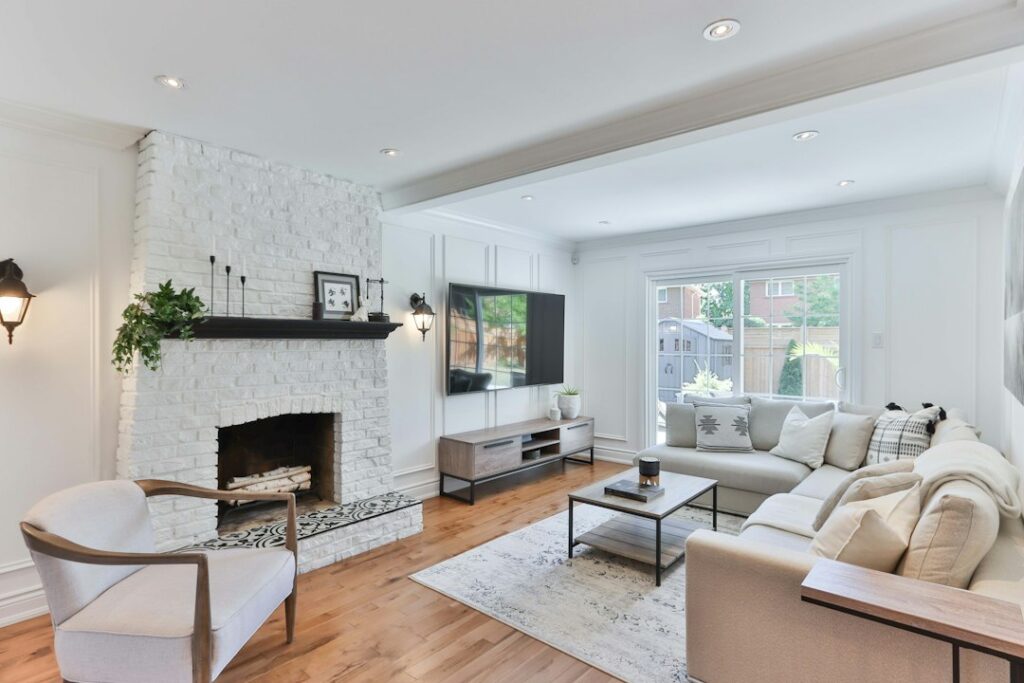
Somewhere around age seven, the toddler playroom stops working. The bins of blocks and plastic kitchens sit untouched while your kids drag Lego sets, art supplies and game controllers onto the dining table. Older child playroom ideas have to account for a very different kind of play: longer projects, bigger hobbies, screens, friends coming over and a growing need for independence. A room designed for 7 to 12-year-olds should feel less like a nursery and more like a clubhouse, a studio and a hangout rolled into one.
- Older Child Playroom Ideas Built Around Activity Zones
- Furniture Sized for Growing Kids
- Storage for Hobbies, Collections and Projects
- Flooring That Handles Real Use
- Screens, Tech and Charging
- Style Ideas That Feel Grown Up
- Lighting, Comfort and Sound
- Cleanup Systems Kids Will Actually Use
- Planning a Playroom That Grows With Them
Older Child Playroom Ideas Built Around Activity Zones
The single most useful concept for this age group is zoning. Instead of one open floor full of toys, divide the room into areas based on what your kids actually do. Ask them. A 9-year-old who spends hours on building sets needs a very different space than an 11-year-old who draws, reads and plays video games with friends.
- Build and create zone: a sturdy table at the right height, good light and storage for sets in progress.
- Art zone: wipeable surfaces, paper storage and a place for work to dry.
- Screen or game zone: seating, a TV or monitor at eye level, cable management and controller storage.
- Reading and chill zone: bean bags, floor cushions or a window seat with a lamp.
- Active zone: open floor for dance, stretching or a mini trampoline if ceiling height allows.
In a 12 x 14-foot room you can usually fit three or four zones comfortably. Use rugs, shelving units and lighting to define each one without building walls. A low bookcase turned perpendicular to a wall makes a surprisingly effective divider.
Furniture Sized for Growing Kids
Toddler tables are typically around 20 inches high. Older kids need something closer to adult height. A standard table height is roughly 28 to 30 inches, and a counter-height surface at about 36 inches works well for standing projects. Adjustable-height desks are a smart investment because they grow with your child. Pair tables with chairs that let feet rest flat on the floor, or add a footrest.
Choose durable, easy-to-clean materials. Laminate or melamine tabletops resist marker and glue better than raw wood. Upholstered seating in performance fabric or faux leather survives snacks and sleepovers. Avoid glass tops and fragile decor in rooms where friends will be roughhousing.
Furniture Worth Considering
- A large craft or project table with a drawer or shelf underneath.
- A sectional sofa or modular floor seating for game nights.
- A daybed or futon that turns the playroom into a sleepover room.
- A wall-mounted fold-down desk for small rooms.
- Rolling carts that move supplies between zones.
Storage for Hobbies, Collections and Projects
Older kids accumulate smaller, more specific stuff: trading cards, craft beads, model parts, sports gear, books in a series. Storage needs to keep collections visible and organized, not dumped in a single toy box. Clear bins with labels, divided drawer organizers and cube shelving units with fabric or clear inserts work well. A 4 x 4 cube organizer gives you 16 compartments in a footprint of roughly 58 x 15 inches.
Display matters at this age. Kids are proud of what they build and make. Picture ledges and floating shelves display finished sets and projects. A cork wall, magnetic paint or a wire grid with clips turns a wall into a rotating gallery for artwork. Keep a designated shelf for projects in progress so half-built models do not get swept into a bin.
Anchor every bookcase and tall storage unit to wall studs. Older kids climb less than toddlers, but they pull on shelves, lean on units and stack heavy items on top, and a tipping bookcase is a serious injury risk at any age.
Flooring That Handles Real Use
Playroom floors take a beating from rolling chairs, spilled paint, sports balls, crafts and dragged furniture. The floor choice shapes how comfortable and durable the room will be for years.
- Luxury vinyl plank: waterproof, scratch-resistant and budget-friendly, often $2 to $5 per square foot for materials. A strong choice for art zones.
- Carpet tiles: soft underfoot, and individual tiles can be replaced if one gets stained with slime or paint.
- Laminate: durable and affordable, though less water-tolerant than vinyl unless it is a water-resistant product.
- Cork: warm, quiet and comfortable, though it can dent under heavy furniture.
Layer area rugs on hard floors to soften the reading and screen zones. A washable rug in the art area is worth its weight in gold. For rooms above a living space, a thick rug pad reduces noise from jumping and dropped toys reaching the room below.
Screens, Tech and Charging
Whether you like it or not, screens will be part of many older kids’ playrooms. Plan for them rather than letting cords snake across the floor. Mount a TV on the wall at a comfortable viewing height, usually with the center of the screen roughly at seated eye level. Add a media console with closed storage for consoles, controllers and games.
Build a charging station on a shelf or in a drawer with a surge-protected power strip. Use cable raceways or cord covers to keep wires off the floor and out of walkways. Avoid overloading outlets with multiple power strips chained together, which is a fire hazard. If the room lacks outlets where you need them, have a licensed electrician add circuits or receptacles rather than running extension cords permanently.
Consider placing the screen zone where parents can see it from a hallway or adjoining room. That gives kids independence while keeping screen time visible, which many families find is a comfortable middle ground.
Style Ideas That Feel Grown Up
Kids in this age range often reject anything that looks babyish. Move away from primary colors and cartoon decals toward a style they help choose. A few directions that work well:
- Studio loft: white walls, black metal shelving, wood tables and a big pegboard wall for supplies.
- Clubhouse: deep greens or navy, a built-in window seat, a chalkboard wall and string lights.
- Game lounge: darker walls, LED accent lighting, a sectional and framed posters of favorite games or movies.
- Nature retreat: soft greens, plants, a hanging chair and natural fibers.
Paint is the cheapest way to change the mood. A gallon of quality interior paint typically covers about 350 to 400 square feet, and a scrubbable eggshell or satin finish handles fingerprints far better than flat. Removable wallpaper lets kids update the look without a major project as their tastes change.
Lighting, Comfort and Sound
Good lighting is essential for detailed hobbies. Overhead ambient light plus task lighting at the project table prevents eye strain. LED task lamps with a color temperature around 4000K to 5000K make colors and small pieces easier to see. In the reading and screen zones, softer, warmer light at 2700K to 3000K feels relaxing.
Comfort extends to temperature and sound. Playrooms in basements or over garages can run cold, so check that heating reaches the space before you furnish it. Soft surfaces such as rugs, curtains and upholstered seating reduce echo when several kids are talking at once.
Cleanup Systems Kids Will Actually Use
Even the best-designed room falls apart without a routine. Older kids can handle real responsibility, but the system has to be simple. Give every category of item one obvious home and label it with words, not pictures, since this age group reads easily and often finds picture labels babyish. Keep the bins they use most between knee and shoulder height so putting things away takes seconds, not effort.
A “project parking” tray or shelf solves the biggest source of conflict: half-finished builds that nobody wants to disassemble. Set a rule that anything on the parking shelf is safe, and everything else goes back to its bin at the end of the day. A 10-minute weekly reset, perhaps on Sunday evenings, keeps clutter from creeping back. Rotating toys and games they have outgrown into a closet or donation box every few months also keeps the room feeling fresh and gives space for new interests as they appear.
Planning a Playroom That Grows With Them
An older kid’s playroom will likely become a teen hangout within a few years. Plan with that in mind. Choose neutral base colors and durable furniture, and let accessories carry the kid-specific themes. Modular shelving and adjustable desks adapt easily. A daybed or sleeper sofa keeps the room useful for guests later.
Budgets vary widely. A refresh with paint, cube storage, a rug and a project table might cost $500 to $1,500. A full remodel with new flooring, built-ins, electrical updates and lighting can run $5,000 to $15,000 or more. If your remodel involves moving walls, adding circuits or disturbing paint in a home built before 1978, bring in licensed contractors and lead-safe certified professionals.
The best older child playroom ideas come from the kids themselves. Give them a real voice in choosing zones, colors and display areas, set a few ground rules about cleanup, and you will end up with a room they actually use and are proud to share with friends.


