An outdoor carpet roll transforms a bare concrete patio, weathered deck, or boat surface into a comfortable, attractive space for a fraction of the cost of other outdoor flooring options. At DnG Flooring, we have installed outdoor carpet on everything from backyard decks to commercial marina docks over the past three decades. This guide covers the materials, sizing, installation methods, and cost considerations you need to make the right choice for your outdoor space.
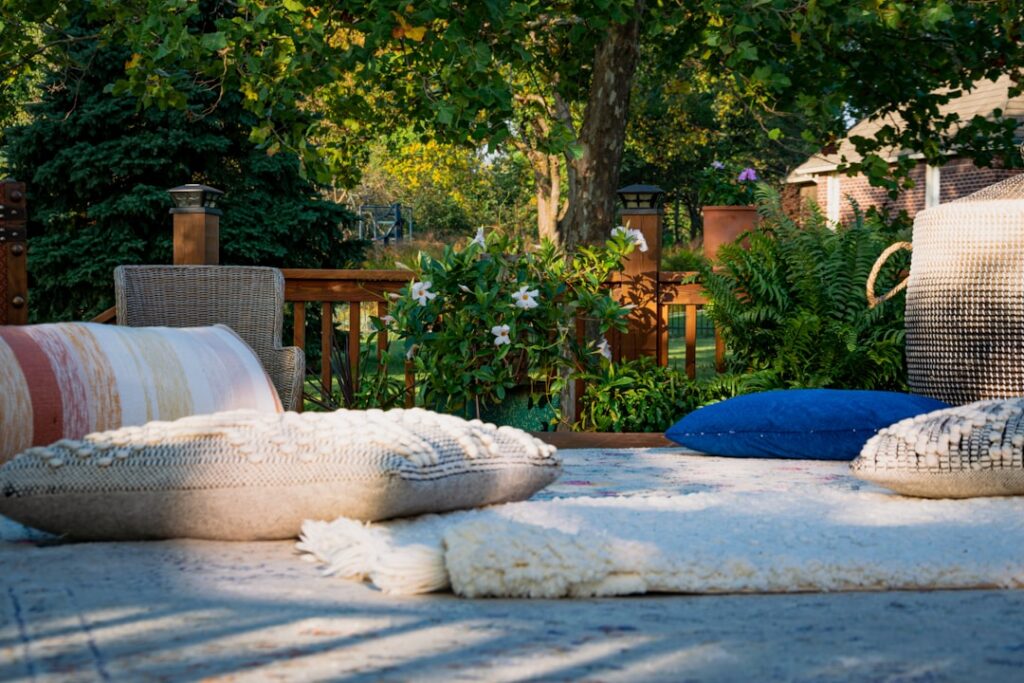
Once your patio flooring is in place, think about how you’ll use the space. A gazebo adds shade and structure, while a good outdoor furniture set turns it into a spot you’ll actually want to hang out in. A deck box is also worth considering if you need somewhere to stash cushions and outdoor gear.
We may earn a commission when you purchase through our links.
Outdoor Carpet Materials Explained
Not all outdoor carpet is created equal. The material determines how your outdoor carpet roll handles sun, rain, foot traffic, and temperature extremes:
Polypropylene (Olefin): The most common outdoor carpet fiber. Polypropylene is completely waterproof at the fiber level. It will not absorb moisture, resists mildew and mold, and dries quickly after rain. Solution-dyed polypropylene maintains color for years in direct sunlight. It is the standard choice for patios, decks, and porches. Available in a wide range of colors and textures. Price range: $0.50-$2.00 per square foot.
Marine-grade carpet: Specifically engineered for boats and docks. Marine carpet uses dense polypropylene or polyester fibers bonded to a rubber or marine-grade latex backing designed to withstand constant water exposure. The backing is the key difference from standard outdoor carpet. Marine backing resists delamination, saltwater corrosion, and UV degradation. Typically available in nautical colors (blue, gray, tan, green). Price range: $1.50-$4.00 per square foot.
Polyester outdoor carpet: Less common than polypropylene but available in softer textures. Polyester resists moisture and mildew well but is slightly less UV-stable than polypropylene. Better suited for covered patios and porches where direct sun exposure is limited. Softer underfoot than polypropylene, making it comfortable for barefoot areas. Price range: $1.00-$2.50 per square foot.
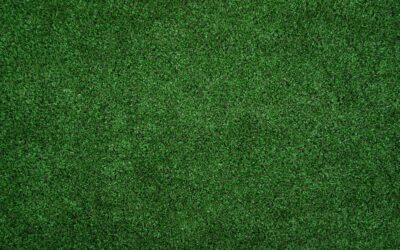
Artificial grass carpet: A rolled artificial turf product that functions like outdoor carpet but mimics a grass appearance. Uses polyethylene or polypropylene blades over a permeable backing. Popular for balconies, rooftop decks, and play areas. Drainage characteristics differ from traditional outdoor carpet, so installation considerations vary. Price range: $1.00-$4.00 per square foot.
Needle-punch vs woven construction: Most outdoor carpet uses needle-punch construction, where fibers are mechanically punched through a backing rather than woven. Needle-punch is durable, lies flat, and costs less. Woven outdoor carpet (rare) offers a more refined texture at higher cost. For most outdoor applications, needle-punch is the practical and economical choice.
Common Uses for Outdoor Carpet Rolls
Patios and porches: The most popular application. Outdoor carpet roll covers concrete and wood surfaces with a comfortable, attractive layer that reduces heat underfoot and provides cushioning. Choose polypropylene with a drainage backing for uncovered patios. Covered porches can use denser, softer options since rain exposure is reduced.
Decks: Outdoor carpet protects deck surfaces from furniture scratches and foot traffic wear while adding comfort and visual appeal. For wood decks, ensure the carpet backing allows air circulation to prevent moisture trapping and wood rot. Breathable marine-style backings work best. For composite decks, standard outdoor carpet is fine since moisture is not a concern for the deck material.
Boats and docks: Marine carpet is standard on boat decks, pontoons, and dock surfaces. It provides non-slip footing, reduces heat on sun-exposed surfaces, and withstands constant water exposure. Marine installations require marine-grade adhesive that maintains bond strength in wet conditions. Typical boat carpet replacement runs every 5-8 years depending on sun exposure.
Pool surrounds: Outdoor carpet around pools provides a non-slip, soft surface for bare feet. It reduces slipping risk compared to wet concrete or stone. Choose carpet with excellent drainage characteristics so water does not pool on the surface. UV-resistant polypropylene handles the intense sun exposure around pools.
Trade shows and events: Temporary outdoor carpet covers event surfaces quickly and inexpensively. Rolls lay flat with minimal securing for short-term use. Event-grade outdoor carpet at $0.50-$0.75 per square foot is designed for single-use or limited reuse. Available in dozens of colors for branding and decoration.
RV awnings and camping: Outdoor carpet rolls sized for RV awning areas (6×9 to 9×18 feet) provide a clean, comfortable outdoor living space at campsites. These rolls are specifically designed to fold compactly for storage and shake clean easily.
Sizing, Widths, and How to Measure
Outdoor carpet rolls come in standard widths that affect your purchase and installation planning:
Standard widths: 6 feet, 12 feet, and 13 feet are the most common roll widths. Some manufacturers offer 8-foot and 15-foot widths. Marine carpet is often available in 6-foot and 8-foot widths since boat surfaces are narrower.
Roll lengths: Standard outdoor carpet sells by the linear foot off the roll, starting at any length you need. Pre-cut rolls are available in common sizes: 6×8, 6×10, 8×10, 9×12, 12×12, and 12×15 feet. Custom cuts to your exact dimensions are available at most retailers with no upcharge.
How to measure: Measure the length and width of your space at the widest points. Add 2-3 inches on each side for trimming during installation. For irregular shapes, make a paper template. If your space exceeds the roll width, plan for a seam. Position seams in low-traffic areas and perpendicular to the longest sight line for least visibility.
Calculating quantity: Multiply length by width to get square footage. Add 5-10% for waste and cuts. For a 12×16-foot patio using 12-foot-wide carpet, you need 16 linear feet of a 12-foot roll (192 sq ft). If your patio is 14 feet wide, you need two pieces: a full 12-foot width plus a 2-foot strip, which means buying 32 linear feet total (double the length for two pieces).
Weight considerations: Outdoor carpet weighs 8-20 ounces per square yard depending on density and backing. A 12×16-foot roll weighs approximately 25-55 pounds. Factor in weight for handling during installation and storage. Heavier carpet generally performs better in wind but is harder to install solo.
Installation Methods
Proper installation ensures your outdoor carpet roll stays flat, drains properly, and lasts as long as possible:
Loose lay (simplest): Unroll carpet and let it relax flat for several hours in the sun. Trim to size with a utility knife. The carpet’s own weight holds it in place. Secure edges with outdoor carpet tape or adhesive at the perimeter only. Best for covered porches, temporary installations, and areas where you want to remove the carpet seasonally. Least durable method in windy locations.
Full adhesive (most permanent): Apply outdoor carpet adhesive to the entire surface with a notched trowel. Lay carpet into the adhesive, working from one end to avoid air bubbles. Roll with a carpet roller or push with a broom to ensure full contact. This method prevents shifting, buckling, and lifting in wind. Required for boat decks and recommended for uncovered permanent installations. Use marine-grade adhesive for any water-exposed surface.
Perimeter adhesive: Apply adhesive along the edges and any seams only. The center floats freely. This method provides stability in moderate wind while allowing easier removal and replacement than full adhesive. Good for residential patios and deck installations where semi-permanent installation is desired.
Double-sided tape: Outdoor-rated carpet tape applied in strips across the installation area. Faster than adhesive and easier to remove later. Works well on smooth concrete and composite decking. Less reliable on rough or textured surfaces. Not recommended for areas with heavy rain or wind exposure.
Surface preparation: Sweep and clean the surface thoroughly. On concrete, fill any cracks or holes wider than 1/4 inch. On wood decks, replace any rotted boards and secure loose fasteners. The surface must be dry at the time of adhesive application. For concrete, a degreaser may be needed to remove oil stains that prevent adhesive bonding.
Drainage Considerations
Water management is the most overlooked aspect of outdoor carpet installation:
Backing types and drainage: Outdoor carpet comes with three backing types. Solid rubber or latex backing blocks water, which means rain or hose water must flow off the surface edges. Perforated backing has drain holes punched through at regular intervals, allowing water to pass through to the surface below. Open-weave or mesh backing provides maximum drainage with minimal water retention.
Choosing the right backing: On concrete patios with good slope (1/4 inch per foot minimum), any backing type works because water drains off the surface. On flat surfaces or wood decks, choose perforated or mesh backing to prevent water from pooling under the carpet. Trapped moisture on wood causes rot. On boats, marine backing is designed for constant water exposure and will not delaminate.
Slope and grading: Ensure your surface slopes away from buildings and toward drains or lawn areas. If your patio is perfectly flat, outdoor carpet will trap water underneath during rain. Address grading issues before installing carpet. A thin layer of self-leveling compound can create slope on concrete if needed.
Mold and mildew prevention: Even with drainage backing, outdoor carpet in humid climates needs periodic lifting and cleaning underneath. Pull up loose-lay carpet monthly to inspect for mildew. For adhered installations, choose a mold-resistant backing and ensure adequate slope. Treat any mildew spots with a diluted bleach solution (1 part bleach to 10 parts water) and allow to dry before replacing the carpet.
UV Resistance and Weather Performance
Outdoor carpet faces environmental challenges that indoor carpet never encounters:
UV degradation: Sunlight breaks down carpet fibers and fades colors over time. Solution-dyed polypropylene (where color is added during fiber manufacturing rather than applied after) offers the best UV resistance. Solution-dyed fibers maintain color for 5-8 years in direct sun. Piece-dyed fibers may fade noticeably within 2-3 years of full sun exposure. Check product specs for “solution-dyed” designation.
Heat performance: Dark-colored outdoor carpet absorbs heat and can become uncomfortably hot in direct sun. Light and medium colors reflect more heat. For pool decks and barefoot areas, choose lighter colors. Green outdoor carpet on a south-facing patio in Arizona will reach temperatures that burn bare feet. Gray, tan, and light blue are the coolest color choices for sunny installations.
Freeze-thaw tolerance: Quality outdoor carpet handles freezing temperatures without cracking or delaminating. The fibers remain flexible in cold weather. Backing adhesives are the weak point in freeze-thaw cycles, so use outdoor-rated adhesive designed for your climate zone. In northern climates, perimeter-adhesive or loose-lay installations that allow seasonal removal extend carpet and surface life.
Wind resistance: Outdoor carpet on elevated decks and balconies needs secure installation to prevent wind uplift. Full adhesive is the safest method for exposed, windy locations. At minimum, secure all edges and corners with adhesive or heavy-duty tape. Loose-lay carpet on a third-floor balcony is asking for trouble in any storm.
Cost Guide for Outdoor Carpet Rolls
Here is what to budget for an outdoor carpet roll project in 2026:
Material costs per square foot:
- Economy polypropylene: $0.50-$1.00
- Standard polypropylene: $1.00-$2.00
- Marine-grade carpet: $1.50-$4.00
- Premium UV-resistant: $2.00-$3.50
- Artificial grass rolls: $1.00-$4.00
Installation materials:
- Outdoor carpet adhesive: $0.15-$0.30/sq ft
- Outdoor carpet tape: $0.10-$0.20/sq ft
- Seam tape (if needed): $5-$10 per linear foot
- Edge binding (optional): $1-$3 per linear foot
Total project examples:
- 10×12 patio with standard carpet, loose lay: $120-$240
- 12×20 deck with UV-resistant carpet, perimeter adhesive: $480-$960
- 20-foot pontoon boat with marine carpet, full adhesive: $400-$800
- 6×9 RV awning mat (pre-made): $40-$80
Outdoor carpet is one of the most affordable flooring options available. Even a large patio project typically costs under $500 for materials. Professional installation adds $1-$3 per square foot but is rarely needed for outdoor carpet. This is a genuine DIY project for most homeowners.
Maintenance and Lifespan
Regular cleaning: Sweep or blow debris off the surface weekly. Hose down the carpet monthly or as needed. For deeper cleaning, scrub with a stiff brush and mild detergent solution, then rinse thoroughly with a hose. Pressure washers work on most outdoor carpet but use a fan tip and keep distance to avoid damaging fibers or adhesive.
Stain treatment: Most outdoor carpet stains (food, drinks, mud) clean up with soap and water. For grease stains, use a degreaser formulated for synthetic fibers. For mold or mildew, apply a diluted bleach solution, let it sit for 10 minutes, and rinse. Polypropylene fibers are resistant to bleach damage, making outdoor carpet one of the few flooring types you can safely bleach.
Seasonal care: In cold climates, remove loose-lay carpet before winter to prevent ice damage to the carpet and the surface underneath. Roll and store in a dry location. For adhered installations, sweep snow rather than scraping ice off the surface. Avoid using salt or chemical de-icers directly on outdoor carpet as they can degrade adhesive bonds.
Expected lifespan: Standard outdoor carpet on a covered porch lasts 5-8 years. In direct sun on an uncovered patio, expect 3-5 years before fading and wear require replacement. Marine carpet on boats typically lasts 5-8 years. Premium UV-resistant products can extend these ranges by 2-3 years. The low replacement cost makes outdoor carpet a practical choice even with its shorter lifespan compared to indoor options.
Frequently Asked Questions
Can outdoor carpet go directly on a wood deck?
Yes, but choose carpet with perforated or mesh backing that allows air circulation and water drainage. Solid-backed carpet traps moisture against wood, accelerating rot and decay. Do not use full adhesive on natural wood decks because it prevents moisture escape and makes future deck maintenance impossible. Loose lay or perimeter adhesive with drainage backing is the safest approach for wood decks.
How do I keep outdoor carpet from blowing up in wind?
Full adhesive installation is the most wind-resistant method. If you prefer removable carpet, secure all edges with outdoor carpet tape, place weighted furniture on corners, and use landscape staples through mesh-backed carpet into soil borders. For elevated decks and balconies, adhesive installation is strongly recommended because wind uplift forces increase with height.
Does outdoor carpet get hot in the sun?
Dark-colored outdoor carpet can reach temperatures of 150 degrees Fahrenheit or higher in direct summer sun, which will burn bare feet. Light colors (tan, gray, light green) stay significantly cooler. If barefoot comfort is important, choose the lightest color practical for your space and consider carpet specifically labeled as “cool touch” or heat-reflective. Covered or shaded areas eliminate this concern entirely.
Can I put outdoor carpet around a pool?
Yes, outdoor carpet is an excellent pool surround option. Choose polypropylene with drainage backing so splash water passes through rather than pooling on the surface. The non-slip texture reduces slipping risk compared to wet concrete or stone. Select light colors to minimize heat absorption around barefoot areas. Chlorinated water will not damage polypropylene fibers. Rinse the carpet with fresh water weekly to prevent chemical buildup.
How do I remove old outdoor carpet glue from concrete?
Scrape up as much adhesive as possible with a floor scraper or putty knife. For remaining residue, apply a commercial adhesive remover designed for outdoor carpet adhesive and let it dwell according to directions (usually 15-30 minutes). Scrape again. For stubborn areas, a heat gun softens adhesive for easier removal. Pressure washing at 3,000+ PSI removes most adhesive residue from concrete. Avoid using solvents on painted or sealed concrete surfaces.