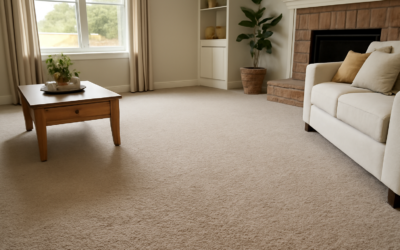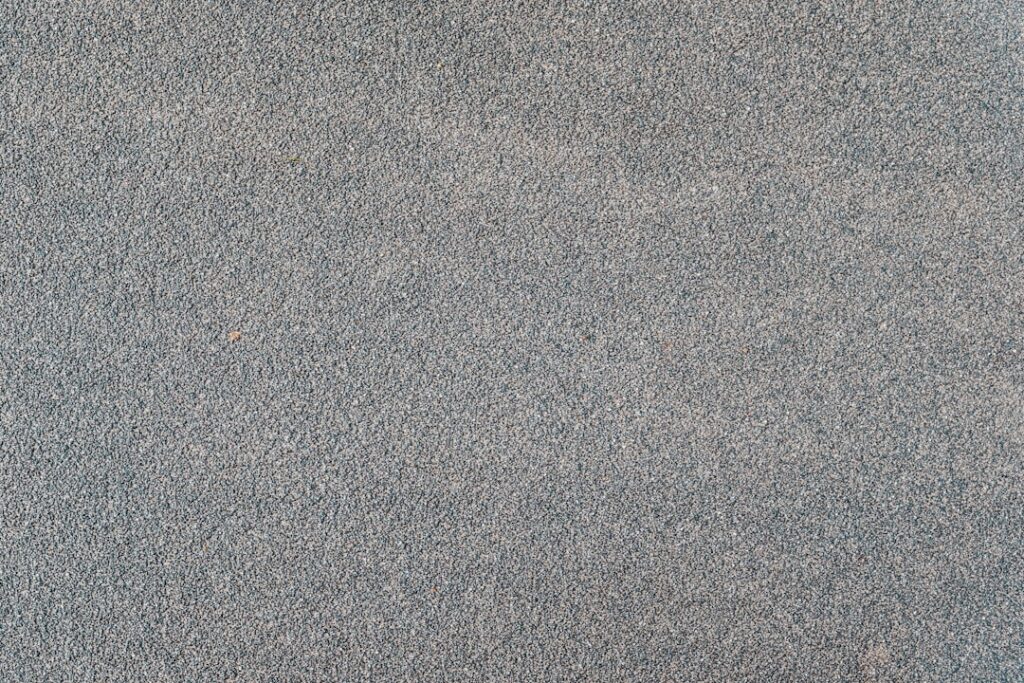
Walk into any high-traffic family room and look closely at the floor, and you will often find that the carpet hiding a decade of spills is not a solid beige at all. Multicolor carpet blends two, three, or more yarn colors into a single style, and that simple trick is why it wears so gracefully. A multicolor carpet scatters the eye across a mix of tones instead of showing every crumb and coffee ring against one flat background. That makes it a practical pick for the rooms where life actually happens.
Below is the full rundown: how these carpets are built, the color and pattern families you will shop, what they cost, and the rooms where they earn their keep.
What Counts as a Multicolor Carpet
At its simplest, a multicolor carpet uses more than one dye color in the pile. Mills achieve this in a few ways. Space-dyed yarn is printed with alternating colors along a single strand, so each tuft carries a gradient. Heather or berber styles twist two or three solid-color plies together, giving that speckled, tweed-like look. Printed carpets run a pattern over the surface after tufting, and woven products like Axminster weave separate colored yarns into a defined design.
The visual payoff is depth. A floor that reads as “greige” from across the room is really flecks of tan, gray, ivory, and charcoal working together. That variation is what camouflages footprints, pet hair, and the inevitable dropped snack.
Popular Color and Pattern Families
You do not have to choose between subtle and bold. The category runs the full range, and picking the right intensity for the room matters more than the specific hue.
- Heathered neutrals: Gray-and-tan or ivory-and-taupe flecks. The most popular seller because it matches almost any wall color and hides soil beautifully.
- Berber loops: A flecked loop pile, often oatmeal with darker specks. Durable and budget-friendly at roughly $2 to $4 per square foot.
- Tonal patterns: A single color family cut and looped into a subtle geometric or trellis design. Adds texture without visual noise.
- Bold multi-tone: Blues, greens, and rusts blended for playrooms, basements, and creative spaces where you want personality.
For most living rooms and hallways, a heathered neutral in the medium range is the safe, resale-friendly choice. Save the saturated blends for rooms where you control the whole palette.
Fiber Choices and Durability
Color hides the dirt, but fiber determines how long the carpet lasts. Four materials dominate residential shelves.
Nylon
The workhorse. Nylon resists crushing and springs back under heavy foot traffic, which makes it ideal for stairs and family rooms. Expect $3 to $6 per square foot for a quality multicolor nylon. Look for a solution-dyed nylon if you want the best stain and fade resistance, since the color runs all the way through each fiber.
Polyester (PET)
Softer underfoot and naturally stain-resistant against water-based spills. Polyester holds rich, multi-tone colors well and costs less, around $2 to $4 per square foot. It crushes faster than nylon, so keep it in bedrooms and lower-traffic zones.
Triexta and Olefin
Triexta (branded as SmartStrand) combines polyester softness with better resilience and is a strong pet-household pick. Olefin, or polypropylene, is cheap and moisture-resistant, which is why it shows up in loop-pile berbers and basement carpets, but it flattens under heavy use.
Where Multicolor Carpet Works Best
Because the pattern masks soil, these carpets shine anywhere traffic and mess concentrate. Family rooms, finished basements, kids’ bedrooms, home offices, and stair runners all benefit. A flecked style on a staircase, in particular, disguises the wear stripe that solid carpet develops down the middle of each tread within a couple of years.
The one place to be cautious is a formal, minimalist room. If your design leans toward clean lines and a single accent color, a busy multi-tone floor can fight the look. In those spaces, a tonal pattern in one color family gives you texture without the visual competition.
Cost, Padding, and Installation
Budget for the whole system, not just the carpet. Material runs $2 to $6 per square foot depending on fiber and construction. Add $3 to $6 per square foot installed once you include the pad and labor.
Padding is not optional. A quality pad extends carpet life by cushioning the backing against foot pressure. For most residential multicolor carpet, an 8-pound density rebond pad at 7/16 inch thick hits the sweet spot for comfort and support. Skimping on pad is the fastest way to void a wear warranty and flatten your investment early.
- Measure the room and add 10 percent for waste and pattern matching.
- Confirm the mill’s dye lot on delivery so seams blend correctly.
- Ask the installer to plan seams away from doorways and sightlines.
Matching Multicolor Carpet to Your Decor
The trick with a multi-tone floor is treating it as a neutral rather than an accent. Pull one of the quieter colors from the carpet, say the tan in a tan-and-charcoal heather, and echo it in the wall paint or the largest piece of furniture. That grounds the room and keeps the floor from looking like an afterthought.
Contrast tells you how bold the finished space will feel. Low-contrast blends, where the flecks sit close in tone, read as a soft solid from a standing height and suit calm bedrooms. High-contrast blends with distinct light and dark specks bring energy and are better for playrooms and rec spaces. Bring home a large sample, at least 18 by 18 inches, and lay it under your own lighting for a day before you commit, because showroom fluorescents shift the colors noticeably.
Cleaning and Long-Term Care
Multicolor carpet forgives everyday messes, but routine care still matters. Vacuum high-traffic paths twice a week to lift grit before it grinds down the fibers. Blot spills immediately with a white cloth, working from the outside in, and avoid rubbing, which frays the pile.
Schedule a professional hot-water extraction every 12 to 18 months. Even though the pattern hides soil, oily residue builds up in the backing over time and dulls the colors. For solution-dyed nylon and polyester, you can safely use an oxygen-based spot cleaner; test any product on a closet corner first.
Frequently Asked Questions
Does multicolor carpet really hide stains better than solid?
Yes. The mix of light and dark flecks breaks up the eye’s ability to spot a single mark. A drop of coffee that would glare on solid cream almost disappears against a tan-and-charcoal heather. It hides soil and footprints far better, though it will not make an untreated red-wine spill vanish, so still clean promptly.
Is patterned carpet harder to install?
Large-repeat printed and woven patterns require careful matching at seams, which adds labor. Heathered and berber flecks have no repeat to align, so they install just like solid carpet. If you want the easiest installation, choose a random-fleck style over a defined geometric print.
Will a busy carpet make a small room feel smaller?
A subtle tonal or heathered blend actually adds perceived depth without shrinking the space. Reserve high-contrast, large-scale patterns for bigger rooms, where they have room to breathe and act as a design anchor.
How long should a good multicolor carpet last?
A solution-dyed nylon with an 8-pound pad in a family setting typically lasts 10 to 15 years. Polyester and olefin run closer to 5 to 10 years depending on traffic. Regular vacuuming and periodic extraction push you toward the top of those ranges.
Chosen well, a multicolor carpet gives you a floor that looks fresh years longer than a solid ever could, wraps a busy room in warmth, and quietly absorbs the daily wear that real households produce. Match the fiber to your traffic, pair it with a proper pad, and it will earn its place underfoot.