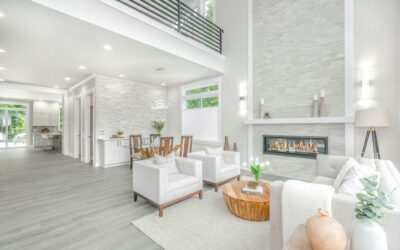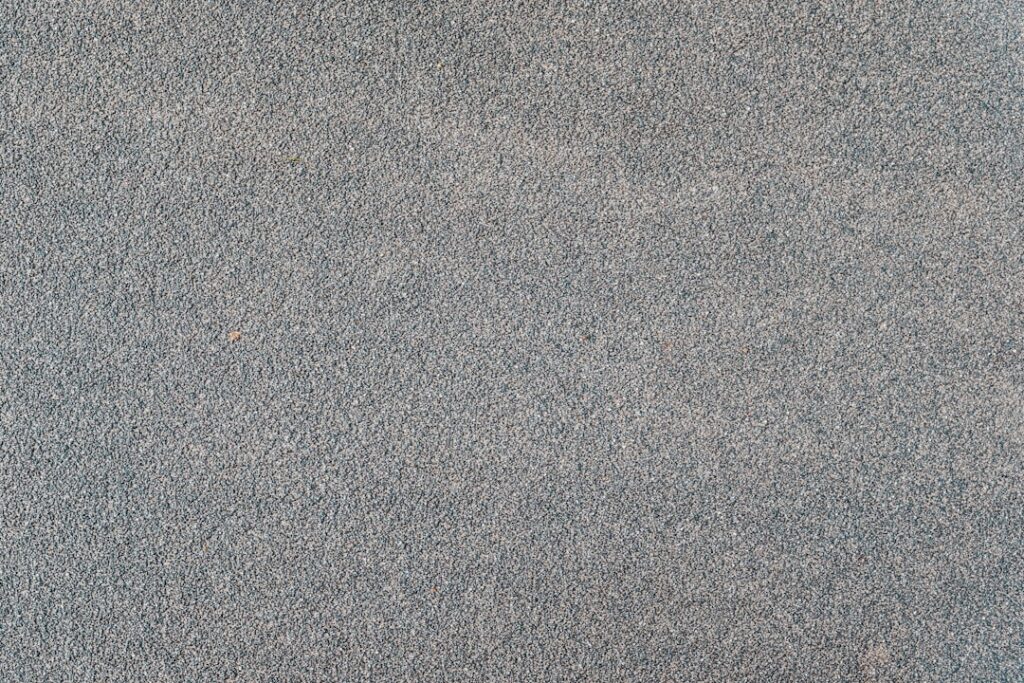
A multi colored carpet blends two or more yarn colors within the same fiber construction, creating a flecked, tweed, or patterned look instead of one flat, solid tone. For homeowners with kids, pets, or heavy foot traffic, multi colored carpet isn’t just a style choice — it’s a practical one, since the variegated color hides dirt, crumbs, and everyday wear far better than a single solid shade ever could.
This guide walks through the main styles of multicolor carpet available, how they’re constructed, where they work best in a home, and what to expect on price and maintenance compared to solid-color alternatives.
- How Multicolor Carpet Is Made
- Popular Multicolor Carpet Styles
- Why Multicolor Styles Hide Stains Better
- Best Rooms for Multicolor Styles
- Where Solid Colors Still Win
- Fiber Considerations for Multicolor Carpet
- Cost Comparison: Multicolor vs. Solid Carpet
- Maintenance and Cleaning Tips
- Choosing the Right Style for Your Home
How Multicolor Carpet Is Made
Multicolor effects come from a few different manufacturing techniques, each producing a distinct visual result. Space-dyed yarn is dyed in random color segments before tufting, creating an organic, marbled look when woven into the carpet. Heather or tweed carpet blends two to four solid-colored yarns together before tufting, producing a fine-grain mixed tone that reads almost as a single shade from a distance but shows texture and depth up close. Printed pattern carpet applies color directly to the finished carpet surface in a repeating design, which allows for more defined geometric or floral patterns than yarn-based methods. Each technique affects durability and price differently, so it’s worth understanding which one you’re actually buying.
Popular Multicolor Carpet Styles
Flecked Berber
Classic Berber carpet, known for its dense, low-loop construction, often incorporates small flecks of a contrasting color — think tan with brown or black flecks — scattered throughout a dominant base tone. This style has been a go-to for high-traffic areas like hallways and basements since the 1990s because the flecking disguises soil buildup between cleanings. Berber typically runs $2.50 to $6 per square foot for material.
Multi-Tone Frieze
Frieze carpet, with its long, twisted fibers, naturally catches light differently at different angles, and when combined with two or three blended yarn colors, the texture becomes even more forgiving of dirt, pet hair, and vacuum lines. This is a popular choice for living rooms and bedrooms where a soft, casual look is desired alongside practical stain-hiding. Expect $3 to $7 per square foot installed for quality frieze blends.
Patterned Loop Carpet
Patterned loop carpet uses varying loop heights combined with two or more colors to create geometric or textured designs, similar in spirit to a woven area rug but installed wall-to-wall. This style works well in formal living rooms, dining rooms, and offices where a more structured, upscale look is desired. Patterned loop tends to be pricier, often $4 to $9 per square foot, due to the more complex tufting process required.
Confetti and Tweed Blends
These use finely mixed multicolor yarns for a subtle, almost solid-from-a-distance appearance that reveals texture only up close. They’re a good middle ground for homeowners who want the practical stain-hiding of multicolor without a busy or dated look.
Why Multicolor Styles Hide Stains Better
The science behind this is straightforward: the human eye detects contrast, not color itself. A single dark spot on a flat, solid-colored carpet stands out sharply because it breaks an otherwise uniform field of color. On multicolor carpet, that same spot blends into the existing variation in tone, since the eye is already processing multiple colors and textures across the surface. This is exactly why hotels, offices, and rental properties overwhelmingly choose multicolor and patterned carpet over solids — it dramatically extends the visual lifespan of the flooring between deep cleanings, even though the actual soil level underneath may be identical.
Best Rooms for Multicolor Styles
- Basements and playrooms — heavy traffic and frequent spills make stain-hiding a top priority
- Stairs and hallways — these high-wear zones show soil fastest on solid carpet; flecked or heathered styles mask it
- Home offices — patterned loop styles add a professional, upscale look without excessive cost
- Kids’ bedrooms — frieze or Berber blends tolerate crayon marks, juice spills, and general chaos far more gracefully than solids
- Rental properties — landlords favor multicolor Berber specifically because it extends the interval between full carpet replacements
Where Solid Colors Still Win
Multicolor isn’t right for every space. Formal living rooms or primary bedrooms where a clean, cohesive design aesthetic matters more than practicality often look better with a solid, richly saturated carpet color. Solid carpet also pairs more predictably with patterned wallpaper, bold furniture, or statement rugs layered on top, since too many competing patterns in one room can feel visually chaotic. If you’re staging a home for resale, real estate professionals generally recommend neutral solids over busy multicolor patterns, since solid tones photograph more consistently and appeal to a broader range of buyer tastes.
Fiber Considerations for Multicolor Carpet
Multicolor effects show up differently depending on fiber type. Nylon holds dye exceptionally well and retains crisp color definition between blended tones for years, making it the top choice for multicolor patterns that need to stay sharp-looking. Polyester can achieve vivid multicolor effects at a lower price point but tends to lose definition faster under heavy traffic as fibers crush and colors blend visually. Wool takes dye beautifully and is often used in premium patterned carpet, but the higher cost — typically $8 to $20 per square foot — puts it out of reach for large-scale installations in high-traffic zones where multicolor is most useful anyway.
Cost Comparison: Multicolor vs. Solid Carpet
Multicolor carpet generally costs about 10% to 20% more than a comparable solid-color carpet in the same fiber and pile category, largely due to the added complexity of space-dyeing or multi-yarn tufting during manufacturing. For example, a solid-color nylon Berber might run $3.50 per square foot installed, while a flecked or heathered version in the same line could land closer to $4.20 to $4.50 per square foot. Patterned loop styles carry the steepest premium due to labor-intensive tufting equipment. Given the reduced need for professional deep cleaning and the longer visual lifespan before replacement, many homeowners find the added upfront cost pays for itself over 5 to 7 years of ownership.
Maintenance and Cleaning Tips
While multicolor carpet hides stains visually, it still needs regular care to stay hygienic and extend its lifespan. Vacuum at least once or twice weekly, more often in high-traffic zones, since dirt still accumulates in the fibers even if it isn’t visible. Because staining is harder to spot on multicolor carpet, set a reminder for professional hot-water extraction cleaning every 12 to 18 months rather than waiting until stains become visually obvious — by the time discoloration shows through the pattern, soil buildup is often already significant. Blot spills immediately with a clean cloth rather than relying on the color pattern to mask them permanently, since sugary or oily spills can still cause fiber damage and odor even when invisible.
Choosing the Right Style for Your Home
Start by matching the style to the room’s function: flecked Berber or frieze for high-traffic, spill-prone areas, and patterned loop for spaces where you want a more polished, design-forward look. Nylon is worth the extra cost in any room getting heavy use, since it holds the multicolor definition longest. For budget-driven projects like basements or rental units, a solution-dyed polyester Berber blend delivers most of the stain-hiding benefit at a fraction of the price. Whatever combination you land on, multicolor carpet remains one of the most practical flooring decisions available for households that want their carpet to look presentable for years, not just for the first few months after installation.