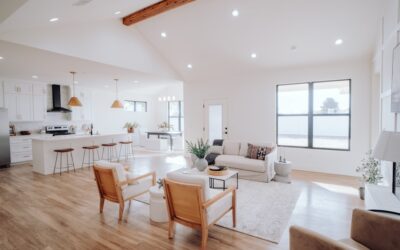
There is a reason nearly every renovation on social media leans pale and airy: light colored vinyl plank flooring makes a room feel larger, brighter, and more contemporary than almost any other floor tone. Blonde oak, whitewashed pine, and pale greige planks bounce daylight around a space and forgive the fine dust and crumbs that a dark floor would spotlight. But that same paleness plays favorites, and if you own a black lab, you should know exactly what you are signing up for before the last plank clicks in.
- Why Light Floors Feel So Open
- The Dust-Hiding Advantage Nobody Talks About
- The Honest Downside: Dark Pet Hair and Debris
- Warm vs. Cool Light Tones
- Pairing Light Planks With the Rest of the Room
- Cleaning and Upkeep Realities
- Popular Light LVP Styles and Looks
- How Light Floors Affect Resale and Staging
- Is a Light Floor Right for You?
Why Light Floors Feel So Open
Color affects perceived space more than almost any other design choice. Light planks reflect rather than absorb light, so a room reads bigger and the ceiling feels higher. In a small apartment, a north-facing room, or a basement with limited windows, a pale floor can be the difference between cave-like and inviting.
The effect compounds when the floor blends with light walls, erasing the hard visual line where floor meets baseboard. That seamless flow is why designers reach for blonde LVP in open-concept homes where one continuous floor runs from kitchen to living room.
The Dust-Hiding Advantage Nobody Talks About
Here is the honest, practical upside: light floors hide dust, dirt, drywall grit, and light-colored pet hair remarkably well. A dark espresso floor shows every footprint, every speck of lint, and every dust bunny within hours of mopping. A pale floor lets you go days longer between cleanings before it looks dirty.
If you have blonde or gray dogs and cats, light plank is genuinely low-maintenance in appearance. The shed hair simply disappears against a similar-toned floor.
The Honest Downside: Dark Pet Hair and Debris
Now the trade-off. A pale floor is a stark canvas for anything dark. Black and brown pet hair, dropped coffee grounds, dark soil from houseplants, and hair from a brunette household all show clearly. If you own a black lab or a long-haired dark cat, expect to see every strand until you sweep.
This does not make light flooring a bad choice, it just sets an expectation. Many owners of dark pets happily accept more frequent sweeping in exchange for the brighter room. A robot vacuum on a daily schedule neutralizes most of this complaint.
Warm vs. Cool Light Tones
“Light” is not one color, and choosing the wrong undertone is the most common regret. Planks fall into two families:
- Warm light tones: Honey oak, natural pine, and golden blonde read cozy and pair beautifully with beige, cream, and warm white walls. They hide yellow-toned dust and are forgiving in traditional homes.
- Cool light tones: Gray-washed, greige, and whitewashed planks feel crisp and modern, working with cool grays, blues, and bright whites. They can look sterile if the room lacks warm accents.
Bring home large samples and view them at different times of day. LED bulbs, north light, and afternoon sun each shift the tone dramatically.
Pairing Light Planks With the Rest of the Room
A pale floor is a neutral base, which means you can go bold elsewhere. Because the floor recedes, cabinetry, rugs, and furniture become the focal points.
- Pair warm blonde floors with white or sage cabinets and natural wood or rattan accents.
- Pair cool greige floors with navy, charcoal, or crisp white cabinetry for a modern contrast.
- Anchor open rooms with a textured area rug so the light floor does not feel flat.
- Choose baseboards a shade or two lighter or matching the floor to keep the airy, expansive feel.
Cleaning and Upkeep Realities
Light colored vinyl plank flooring is as durable as any other LVP of the same quality; the color only affects what you see, not how it wears. Look for a 20-mil wear layer for high-traffic homes and a textured, matte surface that hides micro-scratches. Clean with a damp microfiber mop and a pH-neutral cleaner, and avoid steam mops, which can damage the wear layer over time.
One overlooked tip: pale floors show scuff marks from rubber shoe soles and furniture feet more than mid-tones. Felt pads on furniture legs and a no-shoes policy keep the surface pristine. It also helps to keep a couple of extra planks from your original order, since a color-matched replacement is far easier to blend into a light floor than trying to source a discontinued shade years later.
Popular Light LVP Styles and Looks
“Light colored” spans a surprising range of on-trend looks, and knowing the categories helps you shop with intent. Blonde and natural oak remains the most popular, delivering that Scandinavian, bright-and-natural feel that dominates modern interiors. Whitewashed and limed looks push paler still, with a chalky, coastal vibe that suits beach houses and airy farmhouses.
Greige planks, a blend of gray and beige, are the versatile middle ground that reads neutral against almost any wall color and hides both warm and cool dust. Weathered and reclaimed-look light planks add texture and subtle color variation, which is a smart way to get the brightness of a pale floor while camouflaging scuffs and debris better than a uniform solid tone. If you love the airy look but worry about showing every speck, a light plank with visible knots, grain, and color variation is your best friend.
How Light Floors Affect Resale and Staging
There is a practical, dollars-and-cents reason light floors have taken over renovation shows and real estate listings. Bright, neutral floors photograph beautifully and make rooms look larger in listing photos, which is exactly what draws buyers to click. Because pale greige and blonde tones are neutral, they appeal to the widest pool of buyers and let people imagine their own furniture in the space.
Light floors also pair with the light, bright, minimalist aesthetic that currently reads as “updated” to most buyers, whereas very dark or heavily orange-toned floors can date a home. If you may sell within a few years, a quality light-to-mid neutral LVP is a safe, broadly appealing choice. Just avoid the trendiest extremes; an ultra-white or heavily gray-blue floor can feel dated as quickly as it arrived, while a natural blonde or soft greige has staying power.
Is a Light Floor Right for You?
Choose light colored vinyl plank flooring if you want to maximize brightness and the feeling of space, if you have light-colored or no pets, or if you love a clean modern aesthetic and do not mind sweeping dark debris a little more often. If your household sheds dark hair and you crave a truly hands-off floor, a mid-tone plank with visible grain may hide the day-to-day mess better while still keeping the room feeling open.
Prefer to explore on your own?
See how new flooring looks in your actual room in seconds — free, no signup.
Try the free Floor Studio →