Everyone assumes light floors show more dirt than dark floors, and that assumption talks people out of the best design choice for their home. The truth is the opposite of what most homeowners expect. Light colored LVP flooring actually hides everyday dust, pet hair, and crumbs far better than a dark espresso plank, because low-contrast debris disappears against a pale background instead of standing out like it does on a near-black floor. I’ve installed both ends of the spectrum in hundreds of homes, and the clients who chose light almost never regret it. But light vinyl has its own real trade-offs, and this guide walks through all of them honestly.
By the end you’ll know whether a light oak, blonde, or greige plank is right for your rooms, and exactly what to look for on the spec sheet so it performs as good as it looks.
Why Light Floors Are Everywhere Right Now
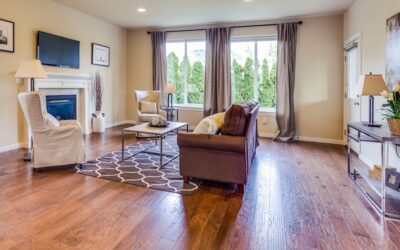
Walk through any new build or renovation and you’ll see pale, natural wood-look vinyl underfoot. The trend is driven by the Scandinavian and coastal design languages that have dominated American interiors for years, all airy neutrals and natural textures. Light colored LVP flooring fits that look perfectly, giving the warm, organic feel of blonde oak or weathered driftwood without the cost or fragility of real hardwood.
There’s a practical reason beyond fashion, too. Light floors reflect rather than absorb light, so they make a room feel bigger and brighter, which is why designers reach for them constantly in smaller homes and darker rooms. That combination of on-trend style and genuine spatial benefit is why the category has exploded, and unlike some trends, the timeless natural-wood look isn’t likely to feel dated in ten years.
The Dirt Question, Answered Honestly
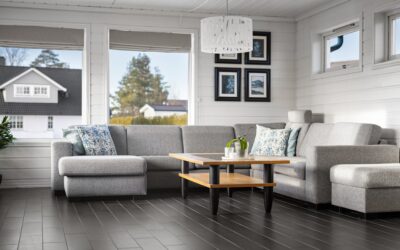
Since this is the concern that stops people, let’s settle it. On a dark floor, light-colored debris shows up in high contrast: dust, pet hair, lint, drywall dust, and food crumbs all glow against the dark surface, and so do the smudges and footprints from bare feet. A dark floor looks immaculate for exactly one hour after you clean it, then betrays every speck.
Light floors flip that equation. Most household dirt and dust is light or neutral in color, so it blends into a pale plank instead of announcing itself. What a light floor does show more readily is dark, wet spills and mud, plus the occasional dropped coffee. Net-net, for a busy family home with kids and pets, a light floor genuinely looks cleaner between moppings than a dark one does. That’s not marketing; it’s just how contrast works.
The Real Advantages
Beyond hiding dust, light LVP delivers several concrete wins. It makes spaces feel larger and more open, a real asset in apartments, basements, and rooms with limited natural light. It pairs easily with almost any wall color and furniture style, giving you a flexible neutral backdrop you won’t fight with the next time you redecorate. And it runs cooler underfoot in sunny rooms, since a pale surface absorbs less solar heat than a dark one that can get uncomfortably warm by a big window.
Light planks also tend to show fewer scratches than dark ones. A scratch on a dark floor exposes the lighter core material underneath and creates a bright, obvious line, while the same scratch on a light plank is far less visible because there’s less contrast. For homes with dogs, that alone is a strong argument for going pale.
The Honest Drawbacks
Light floors aren’t flawless. Dark and wet messes show more clearly, so a muddy paw print or a splash of red wine will be more visible than it would be on a mid-tone plank. If your entry sees a lot of outdoor traffic, plan on a good mat and a quick daily sweep during muddy seasons. Very pale, low-texture planks can also read as a bit sterile or “builder-grade” if you pick a flat, plasticky-looking product.
The fix for that last problem is texture and variation. A light plank with a convincing embossed wood grain and subtle color variation from board to board looks rich and natural, while a uniform, glossy pale plank can look cheap. Spend a little more for a matte finish with real texture, and the sterile risk disappears. Cheap light LVP looks cheaper than cheap dark LVP, so this is one place not to bottom-feed on price.
Choosing the Right Shade
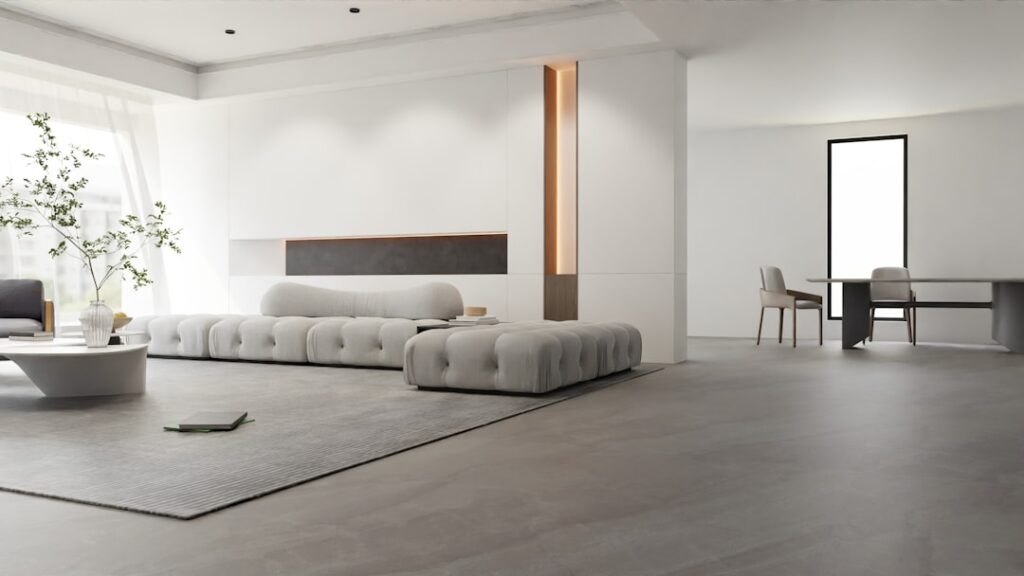
“Light” covers a lot of ground, and the undertone matters as much as the brightness. Warm blonde and honey oaks feel cozy and traditional and pair beautifully with warm wall colors. Cool greige and gray-washed planks feel modern and crisp and suit contemporary spaces. Weathered, driftwood-style planks with gray and beige mixed together are the most forgiving, hiding dirt best and matching almost any decor.
Always get a full-size sample and live with it in your actual room for a few days before committing. Lighting changes everything: a plank that looks warm and inviting in the showroom’s fluorescent light can turn cold and gray under your home’s north-facing windows. Tape a few boards down and watch them at morning, noon, and night before you order 800 square feet. That one step prevents the most common and most expensive regret in the whole process.
Specs and Cost to Expect
Light colored LVP costs the same as any other color; you’re paying for the wear layer and core, not the pigment. Budget $3 to $7 per square foot for the material, and choose at least a 12-mil wear layer for bedrooms or 20-mil for kitchens and entries. A matte or low-sheen finish both hides scuffs and looks more like real wood than a glossy one, so it’s worth prioritizing on a light plank.
Installed, expect the same $4 to $9 per square foot as any quality luxury vinyl. The color is a free design decision, which is the best kind. Choose a light plank with real texture, a matte finish, and a wear layer matched to your traffic, and you’ll get a floor that brightens the whole house, hides the daily mess, and still looks current a decade from now. For most homes, that’s a hard combination to beat.
Decorating Around a Light Floor
A pale floor is the most flexible design foundation you can lay down, and that flexibility is worth planning for. Because it reads as a warm neutral, it lets you go bold with wall color, cabinetry, and furniture without the room feeling heavy or closed in. Deep navy or forest-green walls that would feel oppressive over a dark floor look grounded and sophisticated over blonde oak, and white or light-gray walls create the airy, gallery-like feel that drives the whole trend.
Rugs matter more on a light floor, not because you’re hiding anything but because a bit of contrast keeps the space from looking washed out. A mid-tone or patterned area rug anchors a seating group and adds depth. The same goes for furniture; a light floor happily carries dark wood tables, black metal fixtures, and rich upholstery, giving you contrast where you want the eye to land instead of a monochrome blur.
Real-World Performance With Kids and Pets
Families ask me constantly whether a light floor can survive a house full of kids and dogs, and the honest answer is that it survives better than a dark one. Scratches from claws and toys are far less visible because there’s little contrast between the surface and the lighter material a scratch exposes. Dust bunnies, shed fur, and tracked-in crumbs disappear against a pale plank instead of collecting in obvious drifts along the baseboards.
The one habit a light floor rewards is prompt cleanup of dark, wet messes: mud, coffee, pet accidents, and red juice. Wipe those quickly and the floor looks immaculate. Keep a good absorbent mat at each entry, sweep or run a robot vacuum a couple times a week, and light colored LVP flooring will hold up to real family life while looking cleaner day to day than the dark floor most people wrongly assume is more practical.
Prefer to explore on your own?
See how new flooring looks in your actual room in seconds — free, no signup.
Try the free Floor Studio →