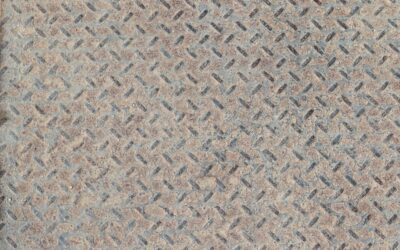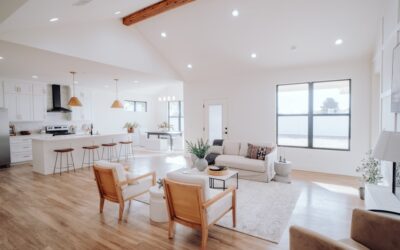
Outdoor carpet transforms bare concrete patios, aging wood porches, and slippery pool decks into comfortable, attractive living spaces. Modern outdoor carpet has evolved far beyond the flat, plastic-looking grass mats of decades past — today’s options offer realistic textures, rich colors, and engineered performance that stands up to sun, rain, and heavy foot traffic. This guide covers materials, costs, installation methods, and maintenance so you can make the right choice.
Table of Contents
- Outdoor Carpet Materials
- Types of Outdoor Carpet
- Best Uses for Outdoor Carpet
- Outdoor Carpet Cost
- Key Features to Look For
- Top Outdoor Carpet Brands
- Installation Guide
- Cleaning & Maintenance
- Pros and Cons
- Frequently Asked Questions
Once your patio flooring is in place, think about how you’ll use the space. A gazebo adds shade and structure, while a good outdoor furniture set turns it into a spot you’ll actually want to hang out in. A deck box is also worth considering if you need somewhere to stash cushions and outdoor gear.
We may earn a commission when you purchase through our links.
Outdoor Carpet Materials
The fiber used in outdoor carpet determines its durability, feel, UV resistance, and price. Here are the most common materials.
| Material | UV Resistance | Water Resistance | Softness | Durability | Price Range |
|---|---|---|---|---|---|
| Polypropylene (olefin) | Excellent | Excellent | Moderate | High | $0.50 – $3.00/sq ft |
| Polyester (solution-dyed) | Very good | Very good | Soft | Moderate | $1.00 – $4.00/sq ft |
| Nylon (marine grade) | Good (with UV treatment) | Good | Moderate | Very high | $2.00 – $6.00/sq ft |
| Recycled PET | Good | Excellent | Moderate | Moderate | $1.50 – $4.50/sq ft |
| Artificial grass (PE/PP) | Excellent | Excellent | Varies | High | $2.00 – $8.00/sq ft |
Polypropylene (olefin) is the industry standard for outdoor carpet. It is solution-dyed, meaning the color is embedded in the fiber during manufacturing rather than applied on top. This makes it highly resistant to fading, bleaching, and staining. It also dries quickly and resists mold and mildew growth.
Types of Outdoor Carpet
Indoor-Outdoor Carpet
Designed to work in both environments, indoor-outdoor carpet uses synthetic fibers with a marine-grade backing. It is popular for sunrooms, covered porches, and three-season rooms where the line between indoor and outdoor is blurred.
Marine Carpet
Originally designed for boats and docks, marine carpet features a rubber or latex backing with drainage channels. It is the most water-resistant option and dries extremely fast. Common on boat decks, pool surrounds, and docks. See our boat flooring guide for marine-specific options.
Outdoor Carpet Tiles
Modular tiles (typically 12″ x 12″ or 24″ x 24″) with snap-together or peel-and-stick installation. They are easy to replace individually if one section gets damaged or stained.
Outdoor Carpet Rolls
Sold in 6-foot or 12-foot wide rolls, this is the most economical option for covering large areas like patios, decks, and event spaces. Installation requires adhesive or outdoor carpet tape.
Best Uses for Outdoor Carpet
- Covered patios and porches: Adds comfort and reduces surface temperature compared to bare concrete or stone.
- Pool decks and surrounds: Provides slip resistance and a barefoot-friendly surface that dries quickly.
- Boat decks: Marine carpet resists water, salt, and UV while providing secure footing.
- Balconies and rooftop terraces: Lightweight and easy to install over concrete or membrane surfaces.
- Outdoor stairs: Improves traction on concrete or wood steps exposed to weather.
- Screened-in porches: Creates a living-room-like feel in semi-outdoor spaces.
- Event and trade show spaces: Temporary, professional coverage for outdoor events.
For broader outdoor surface options including tile, composite decking, and stone, visit our outdoor flooring guide.
Outdoor Carpet Cost
| Cost Component | Budget | Mid-Range | Premium |
|---|---|---|---|
| Material per sq ft | $0.50 – $1.50 | $1.50 – $3.50 | $3.50 – $8.00 |
| Professional installation | $0.75 – $1.50/sq ft | $1.50 – $2.50/sq ft | $2.50 – $4.00/sq ft |
| 200 sq ft patio (installed) | $250 – $600 | $600 – $1,200 | $1,200 – $2,400 |
Outdoor carpet is one of the most affordable ways to upgrade an outdoor living area. Even premium marine-grade options cost significantly less than outdoor tile, composite decking, or natural stone pavers.
Key Features to Look For
Drainage Backing
The backing is just as important as the fiber. Outdoor carpet should have a permeable backing that allows water to drain through rather than pool underneath. Look for marine-grade rubber, open-cell latex, or action-back (woven polypropylene) constructions.
UV Resistance
Direct sunlight degrades most fibers over time. Solution-dyed polypropylene and polyester offer the best UV resistance. Check for UV stabilizers in the product specifications — quality outdoor carpet should resist fading for 5 to 10 years in direct sun.
Mold and Mildew Resistance
Synthetic fibers naturally resist mold better than natural fibers, but the backing matters most. Drainage backing that allows air circulation underneath prevents moisture from becoming trapped, which is the primary cause of mold and mildew growth in outdoor carpet.
Slip Resistance
Pool areas and stairs require textured surfaces with good wet-traction ratings. Look for carpet with a low-loop or textured pile and a rubber backing with grip features.
Top Outdoor Carpet Brands
- Shaw Floors: Wide selection of indoor-outdoor options in their Philadelphia Commercial and Foundations lines.
- Mohawk Home: Affordable outdoor carpet tiles and rolls with solution-dyed fibers.
- TrafficMaster (Home Depot): Budget-friendly polypropylene rolls for patios and decks.
- Foss Manufacturing: Marine-grade carpet and hobnail indoor-outdoor options.
- DEX-O-TEX: Premium marine and pool deck carpet systems.
- House, Home and More: Direct-to-consumer outdoor carpet rolls and rugs at competitive prices.
Installation Guide
Surface Preparation
- Clean the surface thoroughly — remove dirt, grease, paint chips, and debris.
- Fill cracks and low spots in concrete with patching compound.
- Ensure the surface is completely dry before installation.
- For wood decks, secure any loose boards and sand rough spots.
Installation Methods
Full adhesive (most durable): Apply outdoor carpet adhesive with a notched trowel across the entire surface. Roll the carpet into the adhesive and press firmly with a floor roller. Best for permanent installations on concrete.
Perimeter tape (semi-permanent): Apply double-sided outdoor carpet tape around the edges and at seams. Good for covered areas where wind uplift is minimal.
Loose-lay (temporary): Simply roll out the carpet and weight the edges with furniture or planters. Best for events or seasonal use.
Modular tiles (easiest): Snap interlocking tiles together directly on any flat surface. No adhesive needed. Easy to remove and replace individual tiles.
Installation Tips
- Let the carpet acclimate in the sun for 1 to 2 hours to flatten it before installation.
- Always roll the carpet in the same direction — never flip sections, as the pile will appear different.
- Leave a 1/8-inch gap at walls and fixed objects for thermal expansion.
- Use a seam roller and outdoor seam tape for any joints between rolls.
Cleaning & Maintenance
Outdoor carpet requires more cleaning than indoor carpet because it is exposed to dirt, pollen, leaves, and weather.
- Weekly: Sweep or blow off loose debris with a leaf blower.
- Monthly: Hose down thoroughly and scrub with a stiff brush and mild detergent.
- Stains: Spot-clean with a solution of dish soap and warm water. For stubborn stains, use a mixture of white vinegar and water (1:1 ratio).
- Mold prevention: Ensure drainage is working properly. If mold appears, clean with a bleach solution (1 cup bleach per gallon of water) and rinse thoroughly.
- Seasonal: Deep clean at the start and end of outdoor season. Consider renting a pressure washer on a low setting for heavily soiled carpet.
For general carpet cleaning tips, visit our carpet flooring guide.
Pros and Cons of Outdoor Carpet
Pros
- Affordable compared to outdoor tile, stone, or composite decking
- Comfortable and warm underfoot, even barefoot
- Reduces slipping on wet surfaces like pool decks and stairs
- Quick installation — a patio can be covered in an afternoon
- Wide color and texture options to match any décor
- Reduces concrete glare and surface heat in sunny areas
Cons
- Shorter lifespan (3 to 7 years in direct sun) compared to hard surfaces
- Can trap moisture if backing lacks proper drainage
- Requires regular cleaning to prevent mold and mildew
- Fading occurs over time even with UV-resistant fibers
- Not suitable for areas with standing water or poor drainage
- Can get hot in direct sunlight on dark-colored options
Frequently Asked Questions
How long does outdoor carpet last?
Outdoor carpet typically lasts 3 to 7 years in direct sun exposure and 5 to 10 years in covered or shaded areas. Marine-grade carpet with UV stabilizers and quality backing lasts the longest. Harsh climates with extreme heat or frequent freeze-thaw cycles shorten the lifespan.
Can outdoor carpet get wet?
Yes. Outdoor carpet is designed to handle rain, splashes, and hosing. The key is choosing a product with drainage-style backing that allows water to flow through rather than pool underneath. Standing water trapped beneath outdoor carpet leads to mold, mildew, and odor.
Is outdoor carpet good for pool decks?
Marine-grade outdoor carpet is excellent for pool decks. It provides slip resistance on wet surfaces, dries quickly, and feels comfortable barefoot. Choose a light color to reduce heat absorption and ensure the backing has drainage channels.
How do you clean outdoor carpet?
Sweep or blow off debris weekly. Hose down and scrub with mild detergent monthly. For stains, use dish soap or a vinegar-water solution. For mold, use diluted bleach (1 cup per gallon). Deep clean at least twice per year.
Can outdoor carpet be installed on a wood deck?
Yes, but use a breathable outdoor carpet that allows moisture to pass through. Trapping moisture between carpet and wood accelerates wood rot. Use perimeter tape rather than full adhesive so the wood can breathe. Inspect the wood periodically for moisture damage.
What is the best outdoor carpet for a covered patio?
Solution-dyed polypropylene with a marine or action-back backing is the best all-around choice. It resists fading, mold, and stains while remaining affordable. For a softer feel, choose solution-dyed polyester, which offers more cushion but slightly less durability.