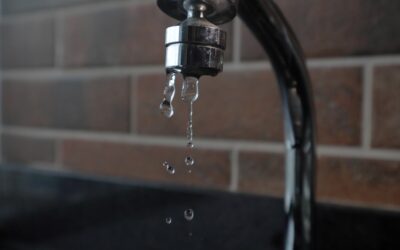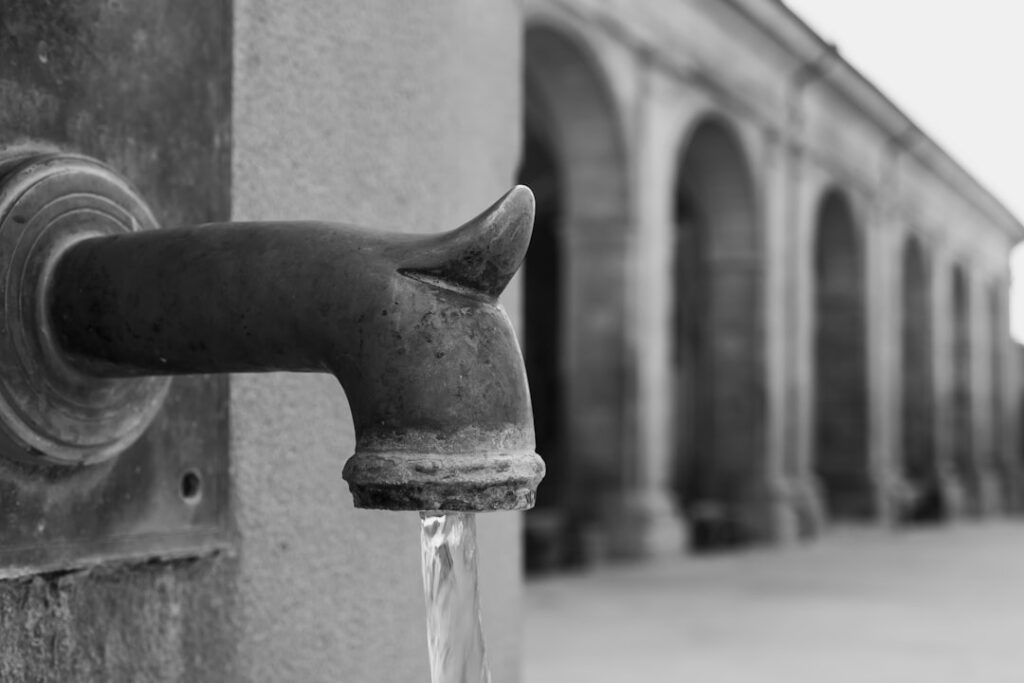
Burst pipes from frozen spigots cause thousands of insurance claims every winter, and the failure almost never announces itself until spring — the split pipe hides inside the wall, spraying into the framing the first time you attach a hose. Knowing which outdoor faucet you own, how to winterize it, and when to replace it with a frost-free model is cheap insurance against a five-figure water damage claim. Here is the full rundown, from the humble hose bib to the yard hydrant, with the repair and replacement numbers to match.
The Four Types on American Homes
Outdoor spigots look interchangeable from the driveway, but four distinct designs are in service:
- Standard hose bib — a simple compression valve (multi-turn handle, rubber washer) mounted where the pipe exits the wall. Cheap at $10 to $25, but the valve sits outside the heated envelope, so it freezes unless drained and shut off from inside every fall.
- Frost-free sillcock — the modern standard. The valve seat sits 4 to 24 inches back inside the heated wall at the end of a long stem, so water drains out of the exposed portion every time you shut it off. $25 to $60, and code for new construction in cold climates.
- Anti-siphon spigot — either type with an integral vacuum breaker on top that prevents hose water from siphoning back into your drinking supply. Most plumbing codes now require backflow protection on all exterior faucets; a $7 screw-on vacuum breaker retrofits older bibs.
- Yard hydrant — the freestanding post out by the garden or barn, plumbed below the frost line with a stop-and-waste valve at the bottom that drains the standpipe on shutoff. $60 to $150 plus trenching.
Identify a frost-free unit by its handle position (perpendicular to the wall, on the end of the tube) and quarter-turn or smooth multi-turn feel; a standard bib’s handle sits at an angle atop a compact valve body right at the wall.
Winterizing: The October Routine
Standard hose bibs need the full treatment before the first hard freeze. Find the interior shutoff valve on the supply line (usually in the basement or crawlspace within a few feet of the exterior wall), close it, then open the outdoor spigot and leave it open so the trapped section drains and any residual ice has expansion room. If the interior valve has a small bleeder cap, crack it with a cup underneath to empty the line completely. An insulated foam faucet cover ($3 to $8) adds a margin of safety but is not a substitute for draining.
Frost-free sillcocks need exactly one thing, and skipping it is the number-one cause of their failure: disconnect the hose. A connected hose traps water in the stem, defeating the entire self-draining design, and the tube splits inside the wall. Beyond that, no interior shutoff is needed. Yard hydrants winterize themselves as long as the drain port at the base has not clogged — if water burps back up around the post after shutoff, the weep hole needs service before winter.
Common Repairs: Drips, Leaks, and Low Flow
Outdoor spigots use the oldest valve technology in the house, which makes them refreshingly fixable. A drip from the spout means a worn seat washer: shut off the supply, unscrew the packing nut and stem, and replace the washer at the tip ($2, ten minutes). Leaking around the handle while running means the packing needs attention — tighten the packing nut an eighth-turn, or rewrap the stem with graphite packing string. Spray from the vacuum breaker cap on top signals a failed breaker; replacement caps or rebuild kits run $5 to $12. Weak flow usually traces to debris in the seat or a partially closed interior valve, not the spigot itself. The diagnostic logic is the same as indoor faucet repair, just with cruder, tougher parts.
One repair deserves special mention: a frost-free sillcock that sprays inside the wall when turned on has a freeze-split tube and must be replaced, not patched. If you hear water running in the wall with the spigot on, shut it off and do not use it again until it is swapped.
Replacing an Outdoor Faucet
Replacement difficulty depends entirely on the connection. Threaded sillcocks unscrew from a female fitting inside the wall — hold the interior pipe with a second wrench, back the old unit out, and thread the new one in with PTFE tape. Sweat-soldered connections need a torch or, far easier for DIYers, a push-to-connect coupling: cut the pipe cleanly, push on a SharkBite-style sillcock or coupling, done in 20 minutes with no flame near the framing. Measure the wall thickness first and buy the matching stem length (6, 8, 10, or 12 inches are common) so the valve seat lands in heated space with a slight downward pitch toward the outside for drainage.
Cost math: $25 to $60 for a quality frost-free anti-siphon unit (Woodford and Prier are the pro-grade names; Woodford’s Model 17 is the one plumbers put on their own houses), versus $150 to $350 for a plumber to do the swap. Add $75 to $150 if interior access requires cutting and patching drywall — worth budgeting, since access panels beat blind repairs.
Adding a Faucet Where You Need One
Dragging 100 feet of hose around the house is a solvable problem. Adding a second spigot on the opposite wall is a half-day job when a cold-water line runs through the basement or crawlspace near the target wall: tee into the line (push-to-connect tees make this solder-free), run PEX or copper to the rim joist, drill through with a slight downward pitch, and mount a frost-free sillcock with the valve seat inside conditioned space. Materials run $40 to $80 DIY; plumbers charge $200 to $500 depending on the run. For garden beds far from the house, a buried line to a yard hydrant is the durable answer — trench below your local frost line (anywhere from 12 to 48 inches across the US), bed the hydrant’s drain port in a bag of gravel, and it will dispense water in January without complaint. Check whether your jurisdiction requires a backflow device on irrigation taps; most do.
Extreme-Cold Insurance: Covers, Heat Tape, and Habits
In climates that see sustained subzero snaps, layered defenses beat any single product. Foam covers protect the exposed head and vacuum breaker; heat tape rated for pipes (thermostatically controlled, $20 to $40) guards problem runs through unheated garages; and interior shutoffs remain the backstop for standard bibs. During a polar-vortex event, open cabinet doors on plumbing walls and let vulnerable indoor fixtures drip — moving water resists freezing — but do not rely on dripping an outdoor spigot, which just builds an ice column. Come spring, test every outdoor faucet before hose season: turn it on with your thumb over the spout; if you can stop the flow entirely with thumb pressure, flow is weak enough to suggest a split or obstruction upstream, and an inspection inside the wall is warranted before the first big watering day.
Upgrades Worth Making
While you are working on the line, three cheap improvements pay off. Add a quarter-turn ball-valve interior shutoff ($12) if the old gate valve is seized — you will actually use a valve that works. Install a hose-thread wye splitter with independent shutoffs ($10 to $20) so the drip irrigation and the wash-down hose stop fighting. And in hard-freeze climates, an insulated cover on even a frost-free unit protects the exposed vacuum breaker. None of this is glamorous plumbing, but the outdoor spigot is the fixture standing between your framing and a burst pipe — spend the $60 on a good one and the five minutes every October, and it will never make the insurance file. Put the hose-disconnect reminder on the same calendar entry as your furnace filter and smoke-detector batteries; it belongs in that tier of cheap, boring, consequential maintenance.