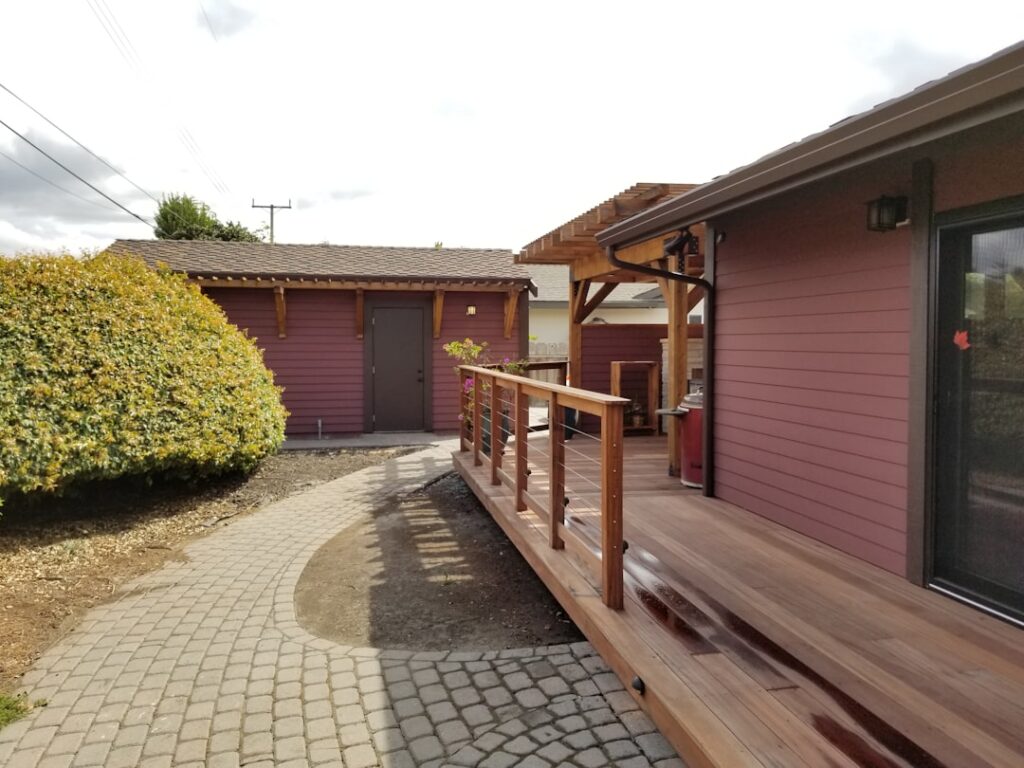
The right outdoor flooring transforms a plain patio, deck, or porch into a true extension of your living space. But outdoor floors face challenges that indoor floors never encounter — rain, snow, UV exposure, temperature extremes, and freeze-thaw cycles. This guide covers the best outdoor flooring ideas with honest assessments of durability, cost, maintenance, and aesthetic appeal for each option.
- What Makes Good Outdoor Flooring?
- 1. Natural Stone
- 2. Porcelain Pavers
- 3. Composite Decking
- 4. Pressure-Treated Wood
- 5. Tropical Hardwood Decking
- 6. Concrete Pavers
- 7. Stamped Concrete
- 8. Brick
- 9. Gravel
- 10. Outdoor Rubber Tiles
- 11. Outdoor Carpet and Turf
- 12. Deck Tiles
- 13. Pebble Mosaic
- 14. Reclaimed Materials
- How to Choose the Right Outdoor Flooring
- Final Thoughts
What Makes Good Outdoor Flooring?
Before exploring specific materials, understand the key requirements for any outdoor floor.
Weather Resistance
The material must withstand rain, sun, heat, and cold without warping, cracking, fading, or deteriorating. In freeze-thaw climates, the material must also resist moisture absorption that causes cracking when water freezes inside.
Slip Resistance
Wet outdoor surfaces are a safety hazard. Choose materials with textured surfaces or naturally high traction. Polished or glossy finishes have no place outdoors.
Drainage
Outdoor floors need to shed water effectively. This means either permeable materials that allow water to drain through, or a slightly sloped surface that directs water away from the structure.
Durability
Outdoor floors endure furniture weight, foot traffic, dropped grilling tools, and the constant stress of environmental exposure. The material needs to hold up year after year.
Low Maintenance
The best outdoor flooring requires minimal upkeep. Materials that need frequent sealing, staining, or treatments become a chore that many homeowners abandon over time.
Once your patio flooring is in place, think about how you’ll use the space. A gazebo adds shade and structure, while a good outdoor furniture set turns it into a spot you’ll actually want to hang out in. A deck box is also worth considering if you need somewhere to stash cushions and outdoor gear.
We may earn a commission when you purchase through our links.
1. Natural Stone
Natural stone flooring is the gold standard for outdoor patios and walkways. Flagstone, bluestone, slate, limestone, travertine, and granite create timeless outdoor surfaces.
Best For
Patios, pool decks, garden paths, and outdoor dining areas. Natural stone suits traditional, Mediterranean, and rustic landscape designs.
Pros
Extremely durable, naturally beautiful, increases property value, and each piece is unique. Stone patios can last 50 years or more with minimal maintenance.
Cons
Expensive ($8 to $25 per square foot installed), heavy, and requires professional installation. Some stones are slippery when wet unless honed or textured. Porous stones like limestone need sealing.
2. Porcelain Pavers
Outdoor-rated porcelain pavers are thicker (typically 3/4 inch or 20 mm) than indoor porcelain tile flooring and engineered specifically for exterior use.
Best For
Modern patios, rooftop terraces, pool decks, and outdoor kitchens.
Pros
Frost-resistant, stain-resistant, fade-resistant, and available in realistic stone, wood, and concrete looks. Virtually zero maintenance. Can be dry-laid on gravel or pedestal-mounted for rooftop applications.
Cons
Cost ranges from $5 to $15 per square foot for material. Heavier than standard tile. Requires a stable, level base.
3. Composite Decking
Composite decking boards are made from a blend of wood fibers and plastic polymers. Leading brands like Trex, TimberTech, and Fiberon offer products that resist fading, staining, scratching, and mold.
Best For
Elevated decks, wraparound porches, and poolside areas.
Pros
Low maintenance (no staining or sealing required), does not splinter, resists rot and insects, and available in dozens of colors and wood-grain textures. Lifespan of 25 to 50 years with manufacturer warranties.
Cons
Costs $6 to $12 per square foot for material (more than pressure-treated wood). Can get hot underfoot in direct sun. Darker colors retain more heat.
4. Pressure-Treated Wood
Pressure-treated pine or fir is the most common outdoor decking material in North America due to its low cost and wide availability.
Best For
Budget decks, raised platforms, and backyard structures.
Pros
Most affordable decking option at $2 to $5 per square foot for material. Readily available at every lumber yard. Easy to work with using standard tools. Treated to resist rot and insects.
Cons
Requires annual or biannual staining and sealing. Prone to warping, splitting, and splintering over time. Shorter lifespan (10 to 15 years) than composite or hardwood alternatives. The green-tinted fresh appearance weathers to gray unless maintained.
5. Tropical Hardwood Decking
Ipe, cumaru, garapa, and tigerwood are dense tropical hardwoods that create stunning, long-lasting outdoor floors.
Best For
Premium decks, boardwalks, and outdoor living spaces where aesthetics and longevity justify the investment.
Pros
Extremely hard and dense — ipe is three times harder than red oak. Naturally resistant to rot, insects, and fire. Can last 40 to 75 years. Rich, warm tones that are unmatched by synthetic alternatives.
Cons
Expensive at $8 to $15 per square foot for material. Very hard to cut and fasten — requires pre-drilling and specialty fasteners. Will gray naturally if not oiled annually. Sustainability concerns unless certified by FSC or equivalent programs.
6. Concrete Pavers
Interlocking concrete pavers are manufactured in a wide range of shapes, colors, and textures. They install over a compacted gravel and sand base without mortar.
Best For
Driveways, patios, walkways, and pool decks.
Pros
Affordable ($3 to $8 per square foot installed), extremely durable, easy to repair (just replace individual pavers), excellent drainage when installed with permeable joints, and available in colors and patterns that suit any style.
Cons
Can shift or settle over time if the base is not properly prepared. Weeds can grow in the joints. May require joint sand replenishment periodically.
7. Stamped Concrete
Stamped concrete flooring is poured concrete that is imprinted with patterns to resemble brick, stone, slate, or wood while still wet.
Best For
Large patios, pool decks, driveways, and outdoor entertaining areas.
Pros
Creates the look of expensive materials at a lower cost ($8 to $16 per square foot installed). Seamless surface with no joints. Highly customizable with colors, patterns, and textures.
Cons
Can crack over time, especially in freeze-thaw climates. Requires resealing every two to three years. Slippery when wet unless a non-slip additive is used. Repairs are difficult to match.
8. Brick
Brick pavers create a classic, timeless outdoor floor with warm red, brown, and gray tones.
Best For
Traditional patios, garden paths, and colonial or craftsman-style landscapes.
Pros
Extremely durable (100-plus-year lifespan), naturally slip-resistant, attractive warm colors, and easy to repair by replacing individual bricks. Brick develops beautiful character with age.
Cons
Can grow moss and algae in shaded, damp areas. Joint sand needs periodic replenishment. Limited color palette compared to concrete pavers. Costs $6 to $15 per square foot installed.
9. Gravel
Gravel is the simplest and most affordable outdoor flooring material. Pea gravel, decomposed granite, and crushed stone create casual, permeable surfaces.
Best For
Garden paths, fire pit areas, casual patios, and drainage-sensitive areas.
Pros
Very affordable ($1 to $3 per square foot installed), excellent drainage, easy to install as a DIY project, and no maintenance other than occasional raking and replenishment.
Cons
Uncomfortable for bare feet, difficult to walk on in heels, migrates outside its borders without proper edging, and not suitable for furniture-heavy dining areas where chair legs sink in.
10. Outdoor Rubber Tiles
Interlocking rubber flooring tiles designed for outdoor use create shock-absorbing, slip-resistant surfaces.
Best For
Playgrounds, outdoor gyms, pool surrounds, and balconies.
Pros
Excellent slip resistance and shock absorption. Easy to install and replace. Available in many colors and textures. Comfortable underfoot.
Cons
Industrial aesthetic that does not suit traditional settings. Can retain heat in direct sun. Costs $4 to $10 per square foot.
11. Outdoor Carpet and Turf
Outdoor carpet (made from polypropylene) and artificial turf create soft, green surfaces on patios, balconies, and rooftop spaces.
Best For
Balconies, screened porches, rooftop patios, and small outdoor sitting areas.
Pros
Soft and comfortable, inexpensive ($2 to $8 per square foot), and easy to install over any flat surface.
Cons
Traps moisture and can develop mold beneath. Fades with UV exposure. Needs replacing every 5 to 10 years. Quality artificial turf costs more ($5 to $15 per square foot installed).
12. Deck Tiles
Interlocking deck tiles snap together over any flat surface — concrete, gravel, or existing decking. They come in wood (acacia, teak, ipe), composite, and stone materials.
Best For
Apartment balconies, condo patios, rooftop terraces, and quick patio makeovers.
Pros
Fastest outdoor flooring installation — no tools required for snap-together tiles. Removable for renters. Cover ugly concrete instantly. Available in many materials and styles.
Cons
Not as permanent or stable as a proper patio installation. Gaps between tiles can collect debris. Wood tiles still need occasional oiling. Costs $4 to $12 per square foot.
13. Pebble Mosaic
River pebbles set in mortar create organic, textured outdoor floors with a natural, spa-like appearance.
Best For
Shower floors in outdoor bathrooms, garden paths, accent areas, and zen-inspired landscapes.
Pros
Unique, natural beauty. Excellent drainage when used in shower applications. Creates tactile, massage-like surface underfoot.
Cons
Labor-intensive to install. Uneven surface is not comfortable for all activities. Grout lines require sealing and maintenance. Costs $10 to $20 per square foot installed.
14. Reclaimed Materials
Salvaged brick, reclaimed railroad ties, antique cobblestones, and repurposed industrial materials create one-of-a-kind outdoor floors with history and character.
Best For
Eclectic gardens, rustic patios, and homeowners who value sustainability and unique design.
Pros
Eco-friendly, historically interesting, and impossible to replicate. Reclaimed materials develop genuine patina that new products cannot match.
Cons
Availability is unpredictable. Sizing and quality are inconsistent. Installation may require more labor. Costs vary widely based on sourcing.
How to Choose the Right Outdoor Flooring
Match your material to your specific outdoor space.
- Ground-level patio: Natural stone, concrete pavers, brick, or porcelain pavers
- Elevated deck: Composite, pressure-treated wood, or tropical hardwood
- Pool deck: Non-slip porcelain pavers, travertine, or textured concrete
- Balcony: Deck tiles, outdoor carpet, or rubber tiles
- Garden path: Gravel, stepping stones, brick, or pebble mosaic
- Outdoor kitchen: Porcelain pavers, natural stone, or stamped concrete
Final Thoughts
The best outdoor flooring ideas combine aesthetics with practical performance. Prioritize weather resistance, slip safety, and drainage, then choose the material that matches your design style and budget. Whether you invest in premium natural stone or opt for budget-friendly gravel, the right outdoor floor creates a space you will enjoy for years. For indoor flooring decisions, explore our guides on tile flooring, hardwood flooring, and concrete flooring.
Prefer to explore on your own?
See how new flooring looks in your actual room in seconds — free, no signup.
Try the free Floor Studio →