Outdoor patio string lights are one of the highest-impact, lowest-cost upgrades you can make to a backyard, transforming a plain patio into an inviting outdoor room for often less than $50 to $150 in materials. The warm glow overhead makes a space feel finished and intimate, extends your usable hours into the evening, and creates the kind of atmosphere people remember. But not all string lights are built to survive the weather, and hanging them well takes a little planning. This guide covers bulb types, how to choose weatherproof lights, hanging methods, and the practical details that keep them shining for years.
Part of our Decks & Outdoor guide — explore the full guide →
Why String Lights Transform a Patio
The appeal of patio string lights goes beyond simple illumination. Overhead lighting at a low, warm color temperature mimics the cozy feeling of a sheltered room, drawing the eye up and defining the space without walls. Unlike a single harsh floodlight, a canopy of small bulbs spreads soft, even light that flatters faces and food alike. They make evening dinners, conversations, and gatherings feel special, and because they are dimmer and warmer than typical security lighting, they create ambiance rather than glare. For the money, few additions do more to make an outdoor space genuinely livable after dark.
Bulb Types to Consider
The bulb is the heart of the look, and you have several options:
- LED bulbs: The most efficient and durable choice, using a fraction of the energy and lasting tens of thousands of hours. Many are shatter resistant and stay cool to the touch.
- Incandescent bulbs: Offer a classic warm glow that many people love, but they burn hotter, use more electricity, and break more easily.
- Filament-style LED: Combine the vintage Edison look of incandescent filaments with LED efficiency and durability, a popular middle ground.
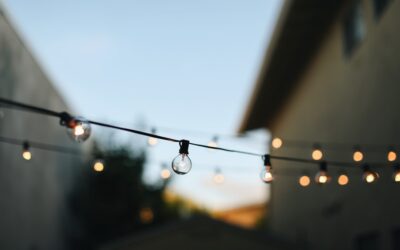
- Globe versus shaped bulbs: Round globe bulbs give a soft, even glow, while novelty shapes add personality for themed spaces.
For most patios, warm-white LED bulbs in the 2200K to 2700K range deliver the cozy, golden ambiance people associate with great outdoor lighting while keeping energy use and replacement low.
Choosing Weatherproof Lights
The single most important factor for outdoor use is weather resistance, since these lights will face rain, humidity, sun, and temperature swings. Look for an IP (ingress protection) rating, which measures resistance to dust and water. An IP44 rating handles splashing rain and is a reasonable minimum for covered patios, while IP65 or higher is better for fully exposed locations facing direct downpours. Also confirm the lights are explicitly rated for outdoor or wet/damp use on the packaging. Commercial-grade string lights typically use thicker, UV-resistant cords and sturdier sockets that outlast cheap indoor-style sets left outside.
How Many Lights and What Length
Planning the right amount prevents both gaps and a tangle of extra cord. Measure the area you want to cover and sketch the path the lights will follow, including any zigzag or crisscross pattern overhead, which uses more length than a straight run. Add the distance from the starting point to the nearest outlet. Many string light sets can be connected end to end up to a maximum length, so check the manufacturer’s limit on how many strands you can safely link to avoid overloading the circuit. As a rule, it is better to buy slightly more length than you think you need, since a little slack creates the gentle drape that looks best.
Hanging Methods That Last
How you hang the lights determines both the look and how long they survive wind and weather. Common methods include:
- Guide wire (aircraft cable): Running a tensioned steel cable between anchor points and clipping the lights to it is the most durable method, keeping bulbs from sagging and reducing strain on the cord.
- Posts: Setting wooden or metal posts, sometimes in planters filled with concrete, gives you anchor points where no walls exist.
- Hooks and screw eyes: Mounting cup hooks or screw eyes into walls, fascia, fences, or pergola beams provides solid attachment points.
- Existing structures: Pergolas, gazebos, and tree branches make natural supports.
Whatever method you choose, allow a gentle drape between supports rather than pulling the strand tight, both for the classic look and to prevent stress that can snap cords in high wind.
Powering Your Lights Safely
Safe power is essential outdoors. Always plug outdoor string lights into a GFCI (ground-fault circuit interrupter) outlet, which cuts power instantly if it detects a fault, protecting against shock in wet conditions. If you use an extension cord, choose one rated for outdoor use with a matching gauge for the load. For patios far from an outlet, solar-powered string lights with a small panel and rechargeable battery eliminate cords entirely, though they shine less brightly and depend on sunny days to charge. Smart-plug or timer control lets the lights turn on at dusk automatically, adding convenience.
Solar Versus Plug-In
The choice between solar and plug-in comes down to brightness and placement. Plug-in lights provide steady, reliable brightness and can run as long as you like, making them the better choice for areas where you want dependable, strong light for entertaining. Solar lights win on installation freedom, needing no outlet or wiring, and they cost nothing to run, but they are dimmer, vary with the weather, and the battery charge can fade late in the evening. Many homeowners use plug-in lights for the main patio and reserve solar for far-flung garden corners where running power is impractical.
Maintenance and Seasonal Care
A little upkeep keeps your lights looking their best:
- Wipe bulbs and sockets occasionally to remove dust and grime that dim the glow.
- Replace any burned-out bulbs promptly to keep the load balanced and the look even.
- Check cords and connections each season for cracking, fraying, or corrosion.
- In harsh winter climates, consider taking down non-permanent strands to extend their life, though commercial LED sets are often left up year-round.
- Store removed lights loosely coiled to avoid kinking the cords.
Final Thoughts
Outdoor patio string lights deliver a remarkable amount of atmosphere for a modest investment, turning an ordinary backyard into a warm, welcoming space for evenings outdoors. Choose durable, weather-rated LED lights with a warm color temperature, plan the length and layout before you buy, hang them on a tensioned guide wire or solid anchor points with a gentle drape, and always power them through a GFCI outlet. Get those basics right and your patio will glow beautifully and reliably, season after season, inviting you and your guests to linger long after sunset.