A backyard pool is one of the biggest improvements you can make to how you use your home, and the design you choose shapes everything from cost to maintenance to curb appeal. Smart outdoor pool designs balance the size and shape of your lot, your budget, and the way you actually want to use the water, whether that means lap swimming, family splashing, or a sleek visual centerpiece. This guide covers the shapes, construction types, decking, and features so you can plan a pool that fits your space beautifully.
Part of our Windows & Doors guide — explore the full guide →
Start With How You Will Use It
Before picking a shape, define the pool’s purpose. A lap pool favors a long, narrow rectangle. A family pool benefits from a large shallow area and a gradual entry. An entertainment-focused design might prioritize a tanning ledge, integrated spa, and seating. A small-yard pool may simply be a compact plunge pool or cocktail pool for cooling off. Letting use drive design prevents an expensive pool that does not match your lifestyle.
Popular Pool Shapes
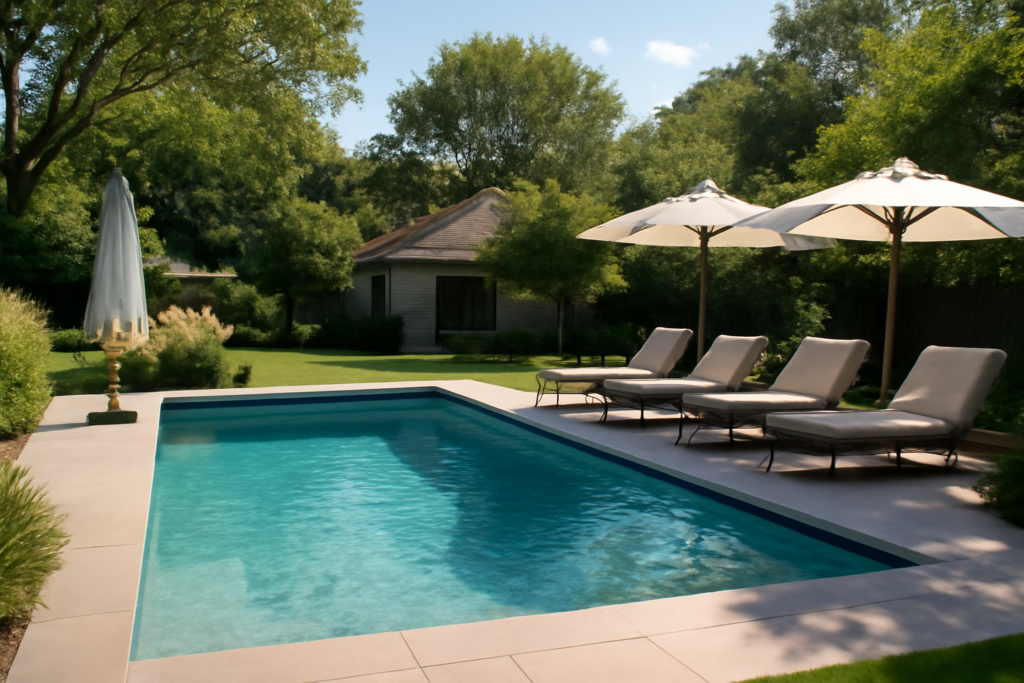
- Rectangular: Clean, modern, and ideal for lap swimming and contemporary homes.
- Freeform: Curved, natural shapes that blend into landscaped, organic yards.
- Kidney and oval: Softer outlines that suit traditional and family settings.
- Geometric: Angular, architectural shapes that pair with modern decking and clean lines.
- Plunge or cocktail: Compact pools for small yards focused on relaxing rather than swimming.
Construction Types
Concrete (Gunite)
Concrete pools are fully customizable in shape, depth, and finish, making them the choice for unique designs and features like vanishing edges. They are the most durable and the most expensive, with longer build times. This is the route for a one-of-a-kind, high-end pool.
Fiberglass
Fiberglass pools arrive as a pre-molded shell installed in days rather than weeks. They have smooth, low-maintenance surfaces that resist algae and generally cost less than concrete, though shapes and sizes are limited to available molds. They are a popular middle-ground option.
Vinyl Liner
Vinyl-liner pools use a custom liner over a supported frame and are typically the most affordable in-ground option. The liner needs periodic replacement, but the lower up-front cost appeals to many homeowners.
What Pools Cost
Pricing varies widely by region, size, and features, but general in-ground ranges are useful for planning. Vinyl-liner pools often start around $35,000 to $65,000, fiberglass commonly runs about $45,000 to $85,000, and custom concrete pools frequently land from $60,000 to well over $100,000 with premium features. Decking, landscaping, fencing, heaters, and automation add to these figures. Always budget for ongoing maintenance and energy costs, not just construction.
Decking and Surroundings
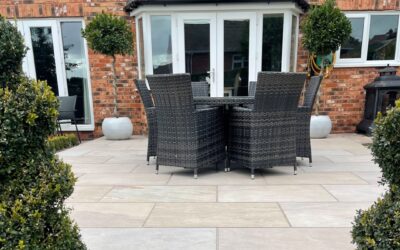
The deck defines the pool experience as much as the water. Common surfaces include stamped concrete for an affordable, versatile look, pavers for a premium modular finish, natural stone for elegance, and porcelain tile for a sleek, slip-resistant surface. Choose materials that stay comfortable underfoot in the sun and offer good traction when wet. Plan generous lounging space and shaded areas so the deck is as usable as the pool.
Design Features to Consider
- Tanning ledge: A shallow shelf for lounge chairs partly in the water
- Integrated spa: A raised hot tub that spills into the pool
- Water features: Sheet waterfalls, deck jets, and bubblers for ambiance
- Infinity or vanishing edge: A dramatic disappearing edge for sloped lots with a view
- Lighting: LED pool and landscape lighting for evening use
- Automatic cover: Improves safety, cuts evaporation, and retains heat
Safety and Code Requirements
Pool safety is governed by local code, and compliance is not optional. Most areas require a barrier fence of a minimum height with self-closing, self-latching gates around the pool. Consider additional layers such as alarms, safety covers, and clear depth markings, especially in homes with young children. Work with your contractor to meet all local permitting and barrier requirements from the start.
Planning and Hiring
Building a pool involves excavation, plumbing, electrical, and often gas work, so it is a job for licensed pool contractors and professionals. Get multiple bids, check references and licensing, and confirm what is included, since decking and landscaping are sometimes separate. Consider sun exposure, drainage, setbacks, and utility lines when siting the pool. A well-planned layout maximizes both enjoyment and resale appeal.
Designing for a Small Yard
You do not need a sprawling lot to enjoy a pool. Plunge pools, cocktail pools, and compact lap pools fit modest yards beautifully and cost less to build and maintain. A small geometric pool tucked against a fence, paired with a slim deck and built-in seating, can become a striking focal point. Spools, a hybrid of a spa and a small pool, offer year-round use in a tiny footprint. The key in a small space is treating the pool as part of an integrated outdoor design, blending it with landscaping, lighting, and decking so it feels intentional rather than crammed in.
Landscaping Around the Pool
The plantings and hardscape around the water complete the design. Choose low-litter plants and trees set back from the edge so leaves do not constantly fall in, and favor species that tolerate splashing and sun. Privacy hedges, ornamental grasses, and tropical foliage create a resort feel, while built-in planters and outdoor lighting extend the design into the evening. Hardscape elements like a pergola, fire pit, or outdoor kitchen turn the pool area into a complete outdoor living space rather than just a place to swim.
Energy and Maintenance Considerations
Smart design choices reduce the long-term cost of ownership. A variable-speed pump uses far less electricity than an older single-speed model, an automatic cover cuts evaporation and heat loss, and LED lighting sips power compared to old incandescent fixtures. Solar heating, a saltwater chlorination system, and robotic cleaners all lower ongoing effort and cost. Factoring these efficient features in during the design phase, rather than retrofitting later, makes a pool more affordable and enjoyable to run for its entire life.
The best outdoor pool design is the one that fits your yard, your budget, and the way you want to spend time at home. Start with purpose, choose a shape and construction type that match, invest in comfortable decking, and add the features that make the space yours, all while meeting safety codes and working with qualified professionals. The result is a backyard centerpiece you will enjoy for years.