A basic outdoor shower is just a pipe and a head, but the difference between a setup you tolerate and one you use every summer day comes down to the details. The right outdoor shower accessories keep you from slipping, give you somewhere to hang a towel, stop sand from clogging the drain, and survive years of sun, salt air, and freezing nights. The wrong ones rust, fade, and crack within a season. This guide focuses on the add-ons around an existing or planned shower: what to buy, which materials hold up, and where homeowners usually overspend or underspend.
Part of our Bathroom Remodeling & Flooring guide — explore the full guide →
- Choosing Outdoor Shower Accessories That Survive the Weather
- Fixtures and Valve Upgrades
- Flooring, Mats, and Drainage Accessories
- Privacy and Enclosure Add-Ons
- Storage, Hooks, and Seating
- Lighting and Power Considerations
- Maintenance Tips for Outdoor Shower Accessories
- Budgeting for Accessories
- Frequently Asked Questions
Choosing Outdoor Shower Accessories That Survive the Weather
Every accessory you install outside faces UV exposure, constant wet-dry cycling, and in many regions freeze-thaw cycles. Material choice matters more than style. Before comparing individual pieces, know which materials earn their price:
- 316 marine-grade stainless steel: the best choice near the coast because its molybdenum content resists chloride corrosion. It costs more than 304 stainless but avoids the brown “tea staining” that shows up on cheaper steel.
- 304 stainless steel: fine inland and away from pool chlorine; less expensive than 316.
- Solid brass and bronze: durable and naturally corrosion resistant; unlacquered finishes develop a patina that many people like.
- Powder-coated aluminum: lightweight and rust-free, good for shelves and hooks, but chips expose bare metal.
- Teak, ipe, cedar, and marine-grade HDPE: the go-to options for benches, mats, and shelving.
Chrome-plated zinc (often called “pot metal”) looks good in a store and fails outdoors. Pitting and flaking typically appear within one or two seasons, so skip it even for small items like soap dishes.
Fixtures and Valve Upgrades
The plumbing hardware is the heart of the shower, and it is where quality pays back most.
Shower Heads
Large rain heads (8 to 12 inches) feel luxurious but need good water pressure; a 1.8 to 2.5 gallon-per-minute head often delivers a stronger feel at average residential pressure. Look for silicone nozzles that let you rub off mineral buildup by hand, since outdoor heads see hard-water spotting constantly.
Handheld Wands and Foot Showers
A handheld sprayer on a diverter is the single most useful upgrade for beach houses and pool decks. It rinses sand off feet, cleans the dog, and washes down the shower floor. A separate low foot-wash spigot, around 12 to 18 inches off the ground, keeps sandy feet out of the main shower entirely.
Mixing Valves
If your shower has hot water, a pressure-balancing or thermostatic valve prevents sudden scalding when someone indoors flushes a toilet. Anti-scald protection is required by plumbing codes for most indoor showers, and it is worth having outside too. Hot-water connections, new supply lines, and gas or electric water heaters should be installed or inspected by a licensed plumber, and some jurisdictions require a permit.
Freeze Protection
In cold climates, plan for winterizing. Frost-free supply valves, accessible drain-down points, and quick-disconnect fittings make it easy to empty the lines each fall. Burst supply pipes are the most common and most expensive outdoor shower repair.
Flooring, Mats, and Drainage Accessories
Standing on a slick surface with soap underfoot is the main safety hazard of any shower. Outdoor floor choices include:
| Floor Option | Typical Cost | Notes |
|---|---|---|
| Teak or ipe duckboard mat | $60-$300 | Lifts off for cleaning; gaps drain quickly |
| Composite decking insert | $10-$20 per sq ft installed | Low maintenance; pick textured, light-colored boards |
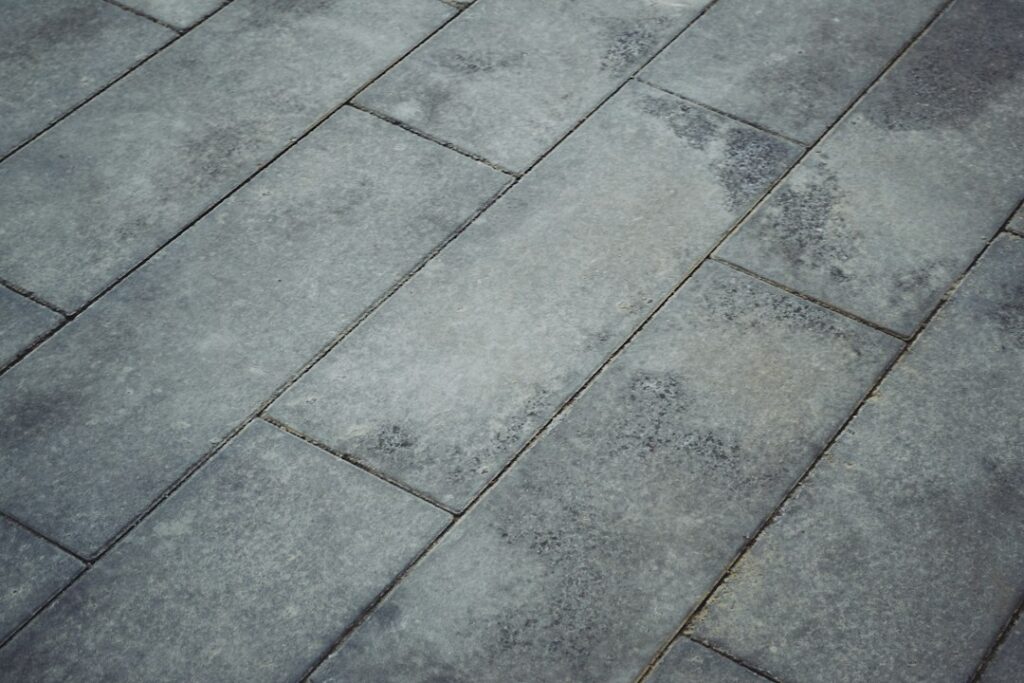
| Slip-resistant porcelain or stone tile | $15-$35 per sq ft installed | Needs a sloped mortar bed; choose tile rated for wet outdoor use |
| River rock or pea gravel bed | $3-$8 per sq ft | Great drainage; uncomfortable for some bare feet |
For tile, ask for a product rated for wet exterior areas with a high dynamic coefficient of friction (DCOF), and choose a textured or matte finish rather than polished. Dark tiles and dark composite boards get hot enough in full sun to be uncomfortable, so lighter shades are usually the better pick.
Drainage accessories are equally important. A linear drain or point drain with a removable hair-and-sand strainer keeps debris out of your drywell or drain line. If the shower drains onto the ground, a gravel bed with landscape fabric beneath it prevents muddy puddles. Check local rules before draining to the yard, because some municipalities restrict where shower water (graywater) can go and whether soaps are allowed.
Privacy and Enclosure Add-Ons
Most homeowners want at least partial screening. Common options, from simplest to most permanent:
- Outdoor curtains: marine-grade vinyl or solution-dyed acrylic on a stainless rod; $40 to $150.
- Slatted wood or composite panels: horizontal cedar or composite slats with 1/2-inch gaps provide privacy while letting air move; roughly $300 to $1,500 for a three-sided screen.
- Frosted polycarbonate panels: bright, modern, and easy to hose off.
- Living screens: tall ornamental grasses or bamboo in containers soften the look but need regular care.
Leave a gap of several inches at the bottom and top of any enclosure. Airflow dries the space quickly and reduces mildew, and the bottom gap helps water and sand move out.
Storage, Hooks, and Seating
Small accessories make a shower pleasant to use. The essentials:
- Towel hooks and bars: mount outside the spray zone. Double robe hooks in 316 stainless run $15 to $50 each.
- Soap and shampoo shelves: teak corner shelves or stainless wire caddies that drain completely; avoid solid trays that hold standing water.
- Bench or stool: a teak bench helps with rinsing feet, removing wetsuits, and gives older family members a stable place to sit.
- Dry changing area: a small bench and hooks just outside the spray, often behind a second screen panel, keeps clothes dry.
- Grab bar: if anyone in the household has balance concerns, add an exterior-rated grab bar mounted into solid blocking, not just siding.
Choose biodegradable soaps and shampoos if the water drains to soil or plants, and store bottles in a lidded bin to keep insects away.
Lighting and Power Considerations
Evening showers after the beach are common, so lighting deserves a plan. Low-voltage LED fixtures rated for wet locations, solar-powered path lights, and small wall sconces all work. Keep any line-voltage fixture well outside the spray area.
Electrical work near water needs to be done correctly. Outdoor receptacles require GFCI protection and weather-resistant in-use covers, and fixtures near the shower must carry a wet-location rating. For anything hardwired, including electric tankless water heaters, hire a licensed electrician and pull the required permit. Solar lights avoid wiring entirely and are the easiest upgrade for renters or seasonal homes.
Maintenance Tips for Outdoor Shower Accessories
A little routine care keeps outdoor shower accessories looking good for years:
- Rinse stainless monthly with fresh water, especially near the ocean, and wipe off salt deposits. A stainless cleaner removes early surface staining.
- Oil or leave teak to silver. Untreated teak turns gray and remains durable; teak oil keeps the honey color but needs reapplying every few months.
- Clean drains and strainers weekly during peak season to prevent sand clogs.
- Scrub for mildew with a mild solution of oxygen bleach and water, then rinse well.
- Winterize before the first freeze: shut off supply, drain lines, remove handheld hoses, and store mats and curtains indoors.
Budgeting for Accessories
Many homeowners spend as much on accessories as on the basic shower. Rough ranges:
- Starter package (quality head, hooks, soap shelf, teak mat): about $250 to $600.
- Mid-range (thermostatic valve, handheld, bench, curtain or slat screen, lighting): about $1,000 to $3,000.
- Premium (full enclosure, tiled floor with linear drain, marine-grade fixtures throughout, changing area): $4,000 and up, plus plumbing labor.
Put your money into the valve, the floor surface, and the corrosion-resistant hardware first. Decorative pieces are easy to add later, but replacing a rusted valve or a slippery floor means tearing things apart.
Frequently Asked Questions
What is the best material for outdoor shower accessories near the ocean?
316 marine-grade stainless steel, solid brass or bronze, teak, and marine-grade HDPE hold up best in salt air. Avoid chrome-plated zinc and standard carbon steel.
Do I need a permit for an outdoor shower?
It depends on your location. Cold-water-only showers often need no permit, while new hot-water lines, electrical work, and drain connections frequently do. Check with your local building department before starting.
What flooring is least slippery for an outdoor shower?
Teak or ipe duckboards, textured composite decking, and matte porcelain tile rated for wet exterior use all offer good traction. Polished stone and glossy tile should be avoided.
How do I keep an outdoor shower from getting moldy?
Leave gaps at the top and bottom of the enclosure for airflow, use materials that drain completely, and scrub surfaces with an oxygen-bleach solution every few weeks during the season.
Can I add hot water to an existing outdoor shower?
Yes, usually by extending a line from the house water heater or adding a point-of-use tankless unit. Use a licensed plumber and include a pressure-balancing or thermostatic valve to prevent scalding.