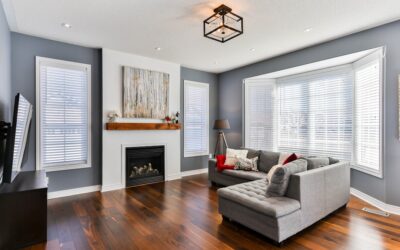
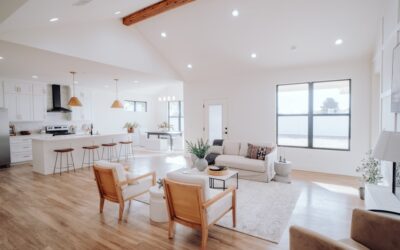
Salt-laden air corrodes metal fasteners, fog cycles ramp humidity from 50 to 95 percent within hours, and direct sun on west-facing rooms hits surface temperatures over 130°F in summer. Choosing pacific flooring for a coastal home means working with these conditions, not against them. After 13 years installing in homes from San Diego up the coast to Bandon, Oregon, the materials that survive the long term are the ones engineered for moisture cycling, UV exposure, and the corrosive environment that comes with ocean proximity.
What Pacific Coast Means for Flooring
Pacific Coast climates split into three zones that affect material choice. Southern California from San Diego to Santa Barbara stays warm and dry most of the year with occasional humidity spikes during onshore flow. Central and Northern California through Oregon sees fog, rain, and consistent moderate humidity. The Pacific Northwest from Washington north hits true high-humidity conditions for nine months a year.
Salt-air infiltration affects all three zones within about three miles of the coastline. The aerosolized salt corrodes anything ferrous over time — nails, staples, hinges, even the wire fasteners inside engineered hardwood. Stainless steel fasteners, marine-grade plywood substrates, and corrosion-resistant transition strips are not optional for serious coastal builds.
Luxury Vinyl Plank for Most Coastal Homes
SPC luxury vinyl plank has become the dominant choice for Pacific Coast homes for good reason. It does not absorb humidity, does not corrode in salt air, and tolerates the temperature swings of west-facing rooms without expansion problems. Premium products like COREtec Pro Plus, Mannington Adura Max, and Karndean Korlok handle decades in coastal conditions.
- Standard 5mm SPC: $4-$6 per sq ft installed
- Premium 6-7mm rigid core: $6-$9 per sq ft installed
- Luxury 8mm with attached underlayment: $8-$13 per sq ft installed
For a 2,000-square-foot coastal home, expect $8,000 to $26,000 for full LVP installation. The variance is mostly product grade — entry-level LVP works in low-sun bedrooms, while premium product belongs in great rooms with floor-to-ceiling glass and direct sun exposure.
Engineered Hardwood with Caveats
Real wood floors remain popular on the Pacific Coast despite the maintenance demands. Engineered hardwood with marine-grade Baltic birch substrate and a 3 to 4 millimeter wear layer handles coastal conditions far better than solid hardwood. Species choice matters — white oak, walnut, and hickory perform well; maple and cherry struggle with the seasonal humidity swing.
Plan for refinishing every 10 to 15 years in coastal homes versus 20 to 25 years inland. UV degrades the finish faster, and the sand tracked in from beach walks acts like sandpaper on traffic paths. Stick to prefinished products with aluminum-oxide topcoats rated for at least 25-year residential warranty. Mirage, Mercier, and Mullican all make appropriate products.
Tile for High-Moisture Zones
Porcelain tile is essentially indestructible against Pacific climate. Bathrooms, kitchens, mudrooms, and entry foyers benefit most from the moisture immunity. Large-format tile (24 by 48 inches and larger) reads modern and minimizes grout lines that show coastal dust accumulation.
Installed pricing runs $8 to $16 per square foot for standard porcelain, $12 to $24 per square foot for premium marble-look or wood-look formats. Use epoxy grout in high-moisture areas — cement-based grout absorbs water and stains over time in coastal kitchens. The upcharge for epoxy adds $1 to $2 per square foot but eliminates the grout-cleaning maintenance entirely.
What to Skip Near the Ocean
Three flooring types underperform consistently in Pacific Coast homes. Solid hardwood without an engineered substrate moves too much with humidity cycling. Carpet harbors moisture and salt residue that accelerates mold and matting. And cheap laminate (under $2 per square foot retail) swells at the edges and loses its image layer to UV within two to three years on west-facing windows.
Sheet vinyl and roll vinyl flooring from the 1990s through early 2000s also deserves to go. Modern LVP delivers the same waterproof performance with a far better appearance and a 10x longer lifespan. If your home still has old sheet vinyl, upgrading to current LVP is one of the highest-return improvements you can make.
Substrate Prep on the Coast
Pacific Coast homes — particularly those over 30 years old — often have moisture issues hidden under existing flooring. Slab homes near the coast can register 6 to 10 pounds of moisture vapor per 1,000 square feet per 24 hours. That voids most flooring warranties without proper mitigation.
A calcium chloride moisture test or RH probe test costs $200 to $400 and prevents thousands of dollars in callbacks. If the result exceeds product limits, mitigation systems like Koster VAP-I or ARDEX MC Ultra create a vapor barrier on the slab. Add $2 to $4 per square foot for that step. Skipping it means buckled floors within two years.
Refinishing and Long-Term Care
Coastal homes benefit from cleaning routines that account for the salt and sand. Floors get swept or vacuumed every two to three days near the beach — daily during summer. Use a doormat outside and a runner inside at every entrance. The sand tracked in is the single biggest factor in floor lifespan; capturing 80 percent of it at the door doubles the time between refinishings.
Hardwood floors in coastal homes show wear paths within five years on traffic lanes if left untreated. Spot-recoat with a screen and recoat job (no full sand) every five to seven years for $1.50 to $3 per square foot. The full sand-and-refinish reserves for when traffic patterns are visibly worn through, typically year 12 to 18 on prefinished engineered.
Where to Source Pacific-Specific Products
Regional flooring distributors stock products selected for coastal conditions. PROSOURCE Wholesale, Floor and Decor, and locally owned showrooms in major coastal cities all carry the relevant SKUs. Big-box stores like Home Depot and Lowes stock the same products but rarely have staff trained on coastal-specific application questions.
For Northern California and Oregon coastal homes specifically, look for retailers who carry the Pacific Mat & Floor line or distribute Mohawk’s coastal-rated SolidTech products. Confirm the SKU includes the salt-air and humidity warranty language before ordering. A 20-minute conversation with a knowledgeable distributor saves months of regret on a poorly chosen floor.
Prefer to explore on your own?
See how new flooring looks in your actual room in seconds — free, no signup.
Try the free Floor Studio →