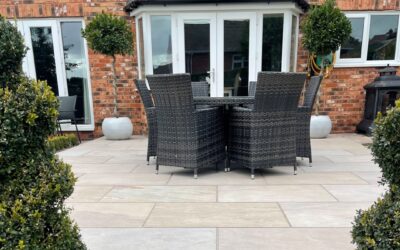
Stained, spalled, or just stuck in 1994 gray? A painted concrete patio is one of the cheapest, highest-impact weekend upgrades you can make to a backyard, usually landing between $1.25 and $3.50 per square foot in materials. Done right, it lasts 5 to 7 years before needing a refresh. Done wrong, it peels in six months and leaves you with twice the work you started with. The difference almost always comes down to prep, not paint.
Why Paint Concrete in the First Place
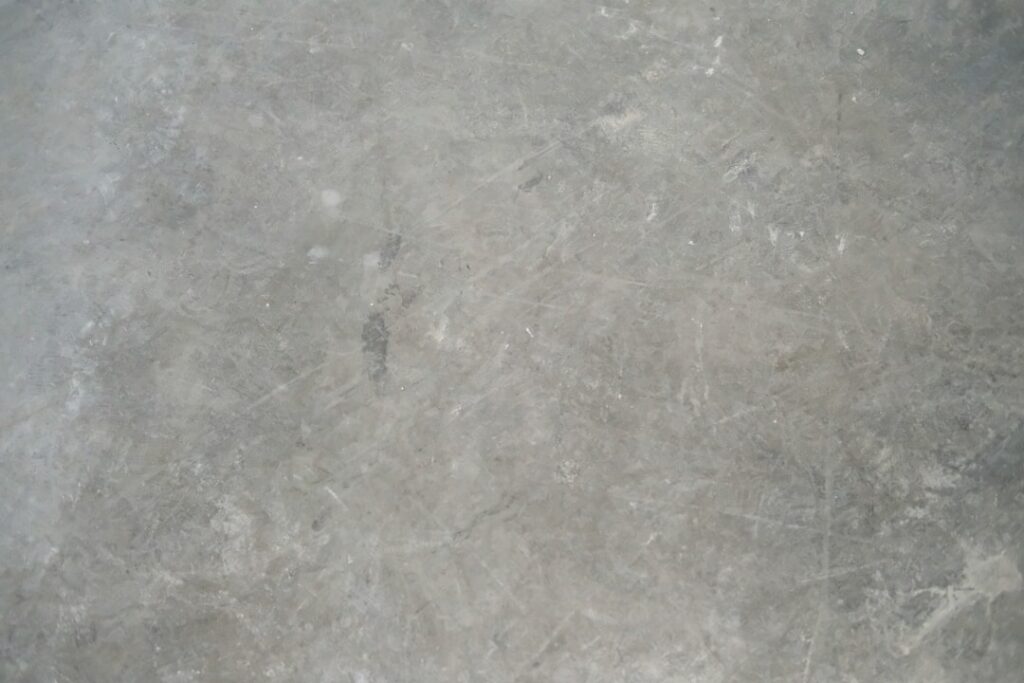
Concrete is porous, chalky, and ages unevenly. Rain stains, rust from patio furniture, and UV bleaching all show up fast. Paint hides the flaws, brightens shaded areas, and when you pick the right product, adds real slip resistance and waterproofing. It also costs roughly one-tenth of what stamping, staining, or resurfacing would run.
There are limits. Paint will not fix structural cracks, heaving, or severe pitting. If the slab moves, your coating will crack with it. Address drainage and any deep damage before you open the first can.
Types of Paint That Actually Stick
Skip anything labeled for interior walls or general exterior siding. You want a product engineered for horizontal concrete and foot traffic. Three categories work outdoors.
- Acrylic latex masonry paint: Easiest to apply, cleans with water, lasts 3 to 5 years. Behr Premium and Kilz Concrete & Garage are solid picks at $35 to $45 a gallon
- Epoxy coatings: Two-part systems that chemically bond to concrete. Lifespan 5 to 10 years. Rust-Oleum EpoxyShield runs about $80 per kit covering 250 sq ft
- Polyurea and polyaspartic: Professional-grade, UV-stable, cures in hours. Expect $4 to $7 per sq ft installed, or $150+ for DIY kits
Surface Prep Is 80% of the Job
Every peeled painted concrete patio comes from skipped prep. Start by clearing furniture and planters, then sweep and blow off loose debris. Pressure wash at 3,000 PSI minimum with a 25-degree tip, holding it about 8 inches off the surface. Let the slab dry for 24 to 48 hours depending on humidity.
Next, test for moisture. Tape a 2×2 foot square of plastic sheeting to the concrete overnight. If you see condensation under it in the morning, the slab is too wet to paint and you need to wait or fix a drainage issue. Finally, etch the surface with a muriatic acid solution or a citric acid product like Eco-Etch Pro. This opens the pores so paint can grip.
Step-by-Step Application
Work in sections small enough to finish within the open time on your paint (usually 20 to 40 minutes). Pick a day between 60 and 85 degrees F with no rain forecast for 24 hours.
- Cut in edges and control joints with a 2-inch angled brush
- Roll the field with a 3/8-inch nap roller on an extension pole, keeping a wet edge
- Let the first coat cure at least 8 hours (24 hours for epoxy)
- Apply a second coat in the perpendicular direction for even coverage
- While the second coat is still tacky, broadcast slip-resistant additive like SharkGrip or silica sand for traction
- Seal with a clear acrylic or polyurethane topcoat once the color has cured 72 hours
Color and Design Ideas
Solid colors in warm grays, terracotta, and slate blue hide dirt best. If you want something more custom, tape off geometric patterns or a faux rug in the seating area. Two-tone checkerboards in charcoal and sand are popular on small patios because they make the space read larger. For a flagstone look, add small amounts of three coordinating colors with a sea sponge before the base coat cures.
Maintenance to Protect Your Investment
Sweep weekly to keep grit from grinding down the finish. Rinse with a garden hose monthly. Use felt pads under furniture legs and lift, not drag, when you rearrange. Reapply a clear sealer every 2 to 3 years, and plan on a full recoat at year 5 or 6. Avoid ice melt products containing calcium chloride, which chews through most concrete coatings.
When to Call a Pro Instead
DIY works fine for patios under 400 sq ft with good drainage and a sound slab. Larger surfaces, pool decks, or slabs with visible moisture intrusion are worth a pro bid. Expect $3 to $8 per sq ft for a professional acrylic job and $7 to $12 per sq ft for a commercial-grade polyaspartic system with a 10-year warranty.
A well-executed painted concrete patio pays back immediately in curb appeal and usability. Respect the prep, match the product to your climate, and protect the surface after the fact, and you will get years of low-cost, high-impact outdoor space.
Common Mistakes That Shorten Lifespan
The three fastest ways to ruin a fresh coating: painting over a damp slab, skipping the etch step on smooth trowel-finished concrete, and applying during direct afternoon sun when surface temperatures exceed 90 degrees. Any of these traps moisture under the film or prevents proper adhesion, causing bubbles within weeks. Work early morning or late afternoon in shoulder seasons, and always follow the manufacturer’s open-time window to the minute.