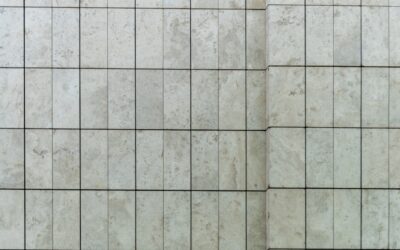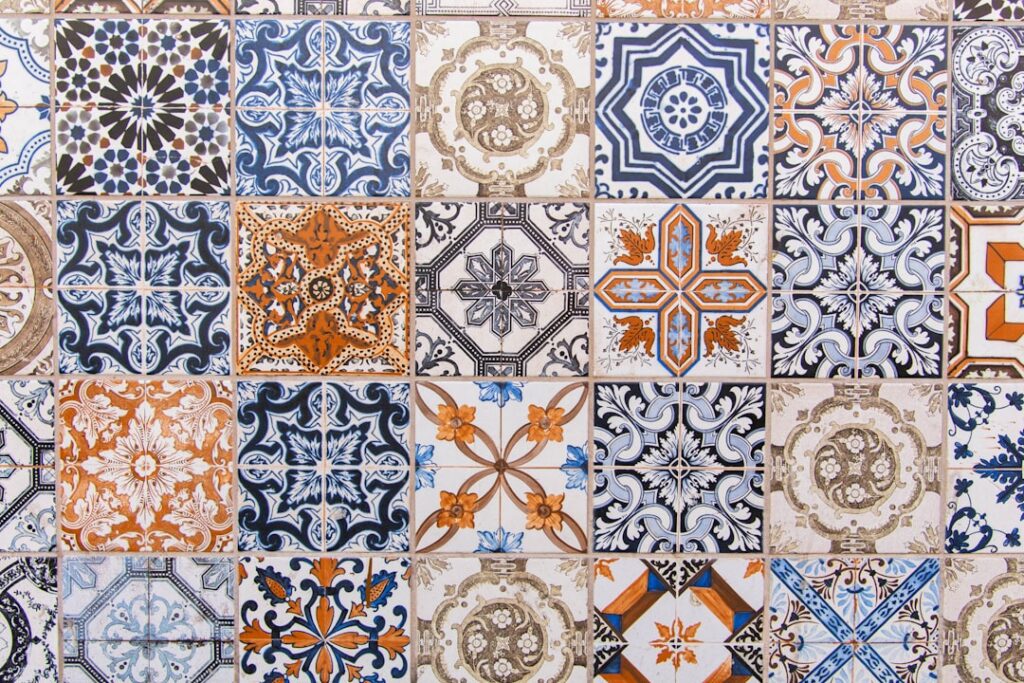
Palazzo tile is a term used across the industry for large-format, marble-look porcelain and elegant stone-inspired collections that evoke the grand floors of an Italian palazzo. Named after the stately Italian residences, these tiles emphasize dramatic veining, generous panel sizes, and a polished, high-end appearance that turns an ordinary room into a refined statement. The style has surged in popularity as homeowners seek the luxury of natural marble without its fragility, staining, and constant upkeep.
Because “palazzo” describes a look and a common collection name rather than a single trademarked product, this guide focuses on what buyers can generally expect: the sizes, finishes, costs, and installation demands that define this elegant category of tile.
What Defines the Palazzo Look
Several features consistently show up in tiles marketed under this name:
- Large-format sizing: Panels commonly run 24 by 48 inches, 32 by 32 inches, or even oversized slabs up to 48 by 108 inches, minimizing grout lines for a seamless surface.
- Marble-look veining: Digital printing recreates the movement of Calacatta, Carrara, and Statuario marble with lifelike depth.
- Refined finishes: Polished, honed matte, and semi-polished lappato surfaces suit different rooms and lighting.
- Rectified edges: Precisely ground edges allow ultra-thin grout joints as narrow as 1/16 inch.
The overall effect is continuity. Fewer, tighter joints and sweeping veins make a floor read like a single expanse of stone rather than a grid of individual tiles.
Why Choose Marble-Look Porcelain Over Real Marble
Natural marble is beautiful but demanding. It etches when exposed to acids like lemon juice or wine, stains without diligent sealing, and scratches under normal traffic. Palazzo-style porcelain sidesteps all of those problems. With a water absorption rate under 0.5 percent and a hard, fired surface, it resists stains, acids, and abrasion while delivering nearly identical looks.
The practical payoff is freedom. You can install marble-look porcelain in a busy kitchen or a splash-prone bathroom without worrying about a spilled glass of wine leaving a permanent mark, something you can never fully relax about with genuine marble.
Best Rooms and Applications
The large-format elegance suits spaces where you want a sense of luxury and openness:
- Open-concept living areas: Fewer grout lines make big rooms feel expansive and cohesive.
- Bathrooms and showers: Book-matched panels create a spa-like, high-end wall.
- Entryways and foyers: A polished marble-look floor makes a strong first impression.
- Kitchen floors and backsplashes: Durability meets designer styling.
- Feature walls and fireplace surrounds: Dramatic veining becomes a focal point.
In wet areas, choose a honed or textured finish rather than high-gloss polish, since polished large-format tile becomes slippery when wet.
What Palazzo Tile Costs
Pricing reflects the premium positioning. Standard large-format marble-look porcelain typically runs $4 to $10 per square foot. Higher-end collections with dramatic book-matched veining and oversized slab panels reach $10 to $25 per square foot, and imported Italian lines can climb higher still.
Installation is where large-format tile gets expensive. Because these panels are heavy, unwieldy, and unforgiving of an uneven substrate, professional labor commonly runs $12 to $25 per square foot, notably more than standard tile. Slab-sized panels may require two installers and specialized suction-cup handling tools, adding to the cost.
Installation Challenges to Plan For
Large-format palazzo tile is stunning but demanding to install correctly. Keep these realities in mind:
- Subfloor flatness is critical. The surface must be flat within 1/8 inch over 10 feet; large tiles telegraph and lippage becomes obvious on any dip. Self-leveling compound is often mandatory.
- Full mortar coverage matters. Back-butter each tile and use a large-format, medium-bed thinset to prevent voids that cause cracking.
- A leveling clip system helps. Tile leveling spacers hold adjacent panels flush during curing and reduce lippage.
- Cutting requires the right tools. A rail-mounted score-and-snap cutter or a bridge wet saw handles big panels; a standard handheld saw invites chipped edges.
- Layout planning avoids awkward cuts. Dry-lay panels first so veining flows naturally and cut pieces land in less visible areas.
Given the stakes, most homeowners hire an installer experienced specifically with large-format and slab tile rather than attempting a DIY installation.
Choosing the Right Marble Look
Not all marble-look porcelain reads the same, and the specific stone being imitated sets the mood of the room. Understanding the popular options helps you match the tile to your style:
- Calacatta look: A bright white background with bold, dramatic gray and gold veining, the most luxurious and statement-making choice.
- Carrara look: Softer gray-white tones with feathery, subtle veins for a more understated elegance.
- Statuario look: Crisp white with striking, defined gray veining, a favorite for modern spaces.
- Marquina or nero look: Deep black with white veining for a bold, high-contrast floor or feature wall.
Higher-end palazzo collections offer multiple face variations, meaning the printed veining pattern differs from tile to tile so the floor never repeats in an obviously artificial way. Cheaper lines may cycle through only two or three faces, which becomes noticeable across a large room. Ask how many face variations a collection includes before you buy.
Book-Matching and Slab Effects
One of the most striking things palazzo-style porcelain can do is book-matching, where two mirror-image panels meet to create a symmetrical butterfly pattern that mimics how natural marble slabs are cut and opened like a book. This technique turns a shower wall or fireplace surround into a genuine focal point. Achieving it requires careful ordering and layout planning, since the panels must be sequenced correctly, so flag your intent to both the retailer and installer early. The payoff is a high-drama, custom look that rivals a solid marble slab at a fraction of the cost and none of the maintenance anxiety.
Maintenance and Everyday Care
One of the greatest advantages of palazzo-style porcelain is how little upkeep it needs. The dense body never requires sealing, unlike natural marble. Routine care means sweeping away grit and damp-mopping with a pH-neutral cleaner. Avoid acidic and abrasive cleaners, which are unnecessary and can dull polished finishes over time.
Grout lines are the only part that benefits from attention. Sealing cement grout annually keeps it clean, or specifying epoxy grout eliminates that chore entirely. With minimal effort, a large-format marble-look floor stays looking new for 30 to 50 years, far outlasting the natural stone it imitates.
Is Palazzo Tile Right for You?
If you crave the timeless elegance of Italian marble but want a surface that shrugs off daily life, palazzo-style porcelain is one of the smartest choices on the market. The look is undeniably luxurious, the durability is excellent, and the maintenance is minimal. The trade-off is installation: budget for meticulous subfloor prep and skilled labor, since a poorly set large-format floor shows every flaw.
Order 10 to 15 percent extra to allow for cuts and future repairs, buy from a single production batch for consistent shading, and confirm the finish suits the room’s moisture level. Get those details right, and palazzo tile delivers the grand, seamless elegance its name promises for decades to come.
Prefer to explore on your own?
See how new flooring looks in your actual room in seconds — free, no signup.
Try the free Floor Studio →