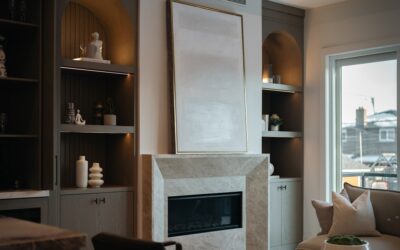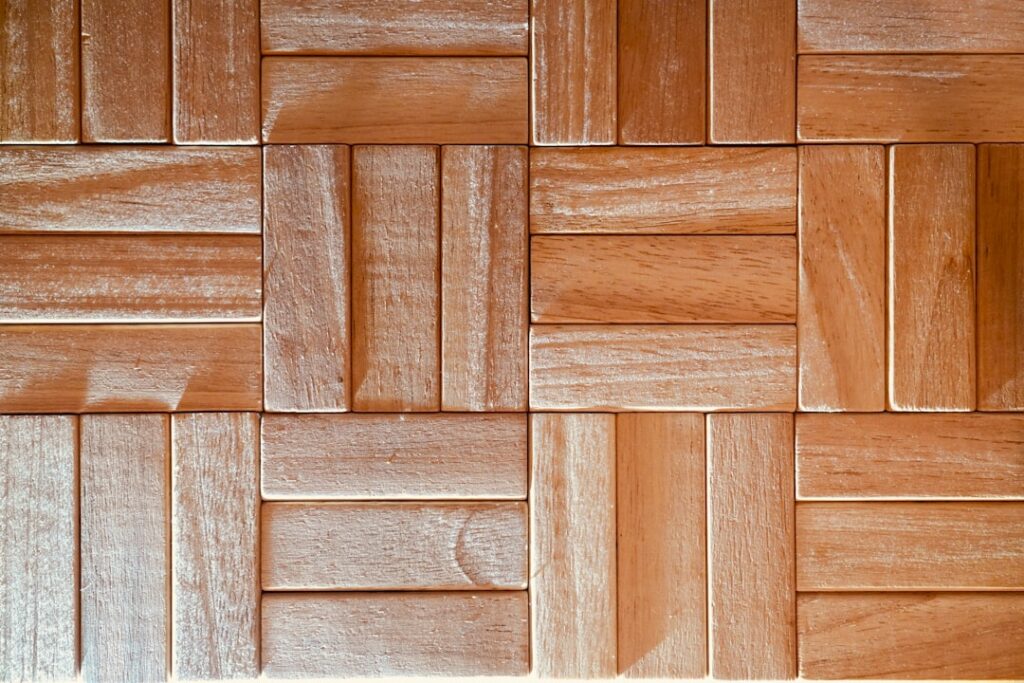
Walk into ten newly remodeled kitchens this year and you will see the same wood tone in at least seven of them. Pale oak cabinets have replaced espresso, replaced gray, and even pushed pure white off the top spot in higher-end builds. The reason is simple: light oak photographs well, hides minor scratches better than painted finishes, and pairs with almost any countertop you put in front of it. But not all pale oak looks the same, and a bad stain choice can make a $30,000 kitchen feel orange and dated within five years.
What Counts as Pale Oak
Pale oak generally refers to white oak or rift-cut red oak finished with a clear, water-based topcoat or a very light wash. The goal is to keep the natural grain visible while neutralizing the warm yellow undertones that older oak finishes leaned into. Cabinet brands like Wood-Mode, Crystal, and Christopher Peacock all offer this look under names like “natural oak,” “blonde,” or “wheat.”
Rift-cut white oak is the gold standard. The grain runs straight and tight, which reads modern instead of country. Plain-sawn oak, the kind found at most big-box suppliers, has the flame and cathedral grain pattern that defined kitchens in the 1990s.
Stain and Finish Choices
If you want the cabinets to read truly pale, ask for a water-popped surface sealed with a 2-component water-based polyurethane such as Bona Mega ONE or General Finishes Enduro Pro. Avoid oil-based polys; they amber within 18 months and shift the color toward honey.
For a slightly cooler look, designers often spec a 5 to 10 percent white pigment added to the topcoat. This is sometimes called a “limed” or “pickled” finish. Done lightly, it tames yellow without making the wood look painted. Ask the cabinet shop to make a 12 by 12 sample before committing.
Best Countertops to Pair
The most-requested pairings in 2025 are:
- Calacatta-style quartz (Cambria Brittanicca, Caesarstone 5131) — high contrast, magazine-ready
- Honed soapstone — softens the look and adds a dark anchor
- Taj Mahal quartzite — warm cream that ties to the oak
- White concrete — for modern industrial builds, around $90 to $130 per sq ft installed
Skip pure black granite. The cool blue undertones in galaxy-black slabs will fight the warm oak. If you want dark, go soapstone or honed leathered black quartzite.
Hardware Recommendations
Hardware is where most homeowners go wrong. Light oak doors disappear with brushed nickel and look stunning with unlacquered brass, matte black, or aged bronze. The Top Knobs Serene collection in honey bronze runs about $14 per pull and reads as a softer alternative to bright brass.
For a more budget-conscious option, the Amerock Westerly line in matte black at roughly $6 per pull holds up well in busy kitchens. Stick to a 4-inch or 5-inch pull on drawers and a 3-inch knob on uppers — anything smaller looks underscaled against the wide rails typical on oak doors.
Flooring That Works
The trickiest decision is flooring. Pale oak floors next to pale oak cabinets can read as one giant wood-tunnel unless the tones are deliberately different. Three combinations that work reliably:
- White oak cabinets with European white oak floors stained one to two shades darker (Bona DriFast Antique Brown 50/50 with Natural)
- Pale oak uppers with painted lower cabinets and porcelain tile flooring in a warm gray
- Pale oak with wide-plank engineered hickory in a fumed finish
If you are working with luxury vinyl plank, Karndean Korlok Texas White Ash and COREtec Atlas Oak both pair cleanly without competing.
Wall Color and Backsplash
Greige paint colors keep showing up in oak kitchens because they bridge the wood’s warmth with cooler stone. Sherwin-Williams Accessible Beige (SW 7036), Benjamin Moore Pale Oak (OC-20), and Farrow and Ball Skimming Stone all test well. Yes, there is a Benjamin Moore color literally called Pale Oak — it is a wall color, not a wood stain, but it pairs beautifully with the cabinets it’s named after.
For backsplash, zellige tile in cream or unlacquered subway tile from Heath Ceramics adds texture without color noise. Avoid gray glass mosaics; they read dated next to natural wood.
Maintenance and Longevity
Light oak shows water rings and grease faster than darker stains, so wipe spills the same day. Use a microfiber cloth and a pH-neutral cleaner like Method Wood for Good. Skip Murphy Oil Soap — it leaves a residue that yellows over time, exactly what you spent extra money to avoid.
Plan to refresh the topcoat every 8 to 10 years on heavily used base cabinets. A skilled refinisher charges $4,000 to $7,000 for an average kitchen, far less than full replacement and a smart move once the finish starts showing wear at the sink and trash pull-out.
Pay particular attention to the cabinets directly above and beside the cooktop. Airborne grease lands on every surface within 6 feet of a working range, and on light wood that residue oxidizes into a yellow film within months if not wiped down weekly. Installing a strong range hood vented to the outside, sized at minimum 400 CFM for a typical 36-inch range, dramatically reduces this problem and extends the time between full refinishes.
Lighting and Photography Considerations
Pale oak photographs differently than it appears in person. Under warm 2700K incandescent bulbs the wood reads richer and more golden, while 4000K LED kitchen lighting cools the tone and brings out the gray undertones in the rift-cut grain. If you are designing for resale photographs, request samples lit under both temperatures before committing.
Final Take
Pale oak cabinets are not a passing trend; rift-cut white oak has anchored high-end design for over a century. The version popular today simply uses better topcoats and tighter grain selections. Spec the right cut, demand a water-based finish, and pair with stone that has warmth in its veining. Done properly, a pale oak kitchen will still look current 15 years from now while the painted-white kitchens around it start chipping at the door edges.