Sydney’s swing from humid coastal summers to dry, mild winters is exactly the kind of climate that punishes a poorly chosen timber floor—and rewards a well-specified one. Parquet flooring Sydney homeowners install today ranges from classic recycled brushbox blocks in restored terraces to engineered French oak herringbone in new Northern Beaches builds. Get the species and the moisture management right, and a parquet floor becomes the standout feature of the home. Get it wrong, and you will be watching gaps open every February.
This guide covers the timbers that suit Sydney’s conditions, realistic local pricing, and how to find an installer who knows how to handle a coastal-humid environment.
What Parquet Flooring Is
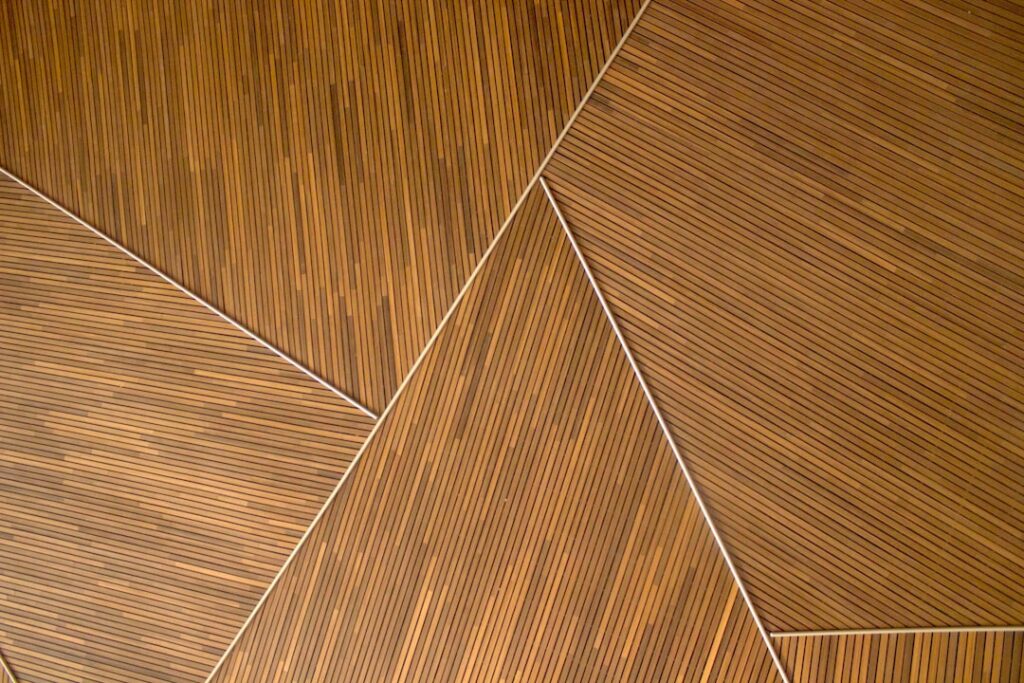
Parquet refers to flooring laid in a geometric pattern rather than long straight boards. Short timber pieces are arranged into herringbone, chevron, basketweave, or brick-bond patterns. Traditionally these were solid timber “fingers” glued and pinned to the subfloor; today many Sydney installs use engineered parquet blocks, which are more stable across the city’s humidity swings.
The pattern is what gives parquet its premium, tailored look—and what makes it more labor-intensive and costly to lay than standard strip flooring.
Best Timber Species for Sydney’s Climate
Sydney’s coastal humidity makes timber stability the single most important spec.
- Australian hardwoods (Blackbutt, Spotted Gum, Brushbox): Dense, stable, and locally suited to the climate. Brushbox in particular has a long history in Sydney parquet floors and ages beautifully.
- European Oak (engineered): The most fashionable choice for herringbone and chevron. Engineered construction handles humidity swings far better than solid oak in a coastal home.
- Recycled hardwood: Reclaimed from old buildings, prized in heritage terraces for its patina and tight, slow-grown grain.
For homes near the water in suburbs like Manly or Coogee, engineered parquet is the safer bet because its cross-layered core resists the cupping that high humidity can cause in solid timber.
Typical Sydney Pricing
Parquet is a premium floor and Sydney pricing reflects both materials and skilled labor. Expect supply-and-install figures in the range of $120 to $250 per square meter for engineered oak herringbone, with solid timber and intricate patterns pushing toward $300 per square meter. Recycled or rare species and complex borders cost more again.
Labor is the major variable. Because every piece is set into a pattern, installation alone can run $60 to $120 per square meter—far above the $30 to $50 of a standard floating floor. Sanding and finishing a solid parquet floor adds further cost.
The Advantages
A parquet floor delivers a level of craftsmanship and visual interest that straight boards simply cannot match. The interlocking patterns add a sense of depth and movement, and in heritage Sydney homes they restore period authenticity that buyers pay a premium for.
Solid and engineered parquet can both be sanded and recoated multiple times, so a quality floor genuinely lasts decades. The dense Australian hardwoods in particular handle heavy foot traffic and resist the dents that softer timbers pick up.
The Drawbacks
Parquet asks more from your budget and your subfloor than most floors.
- Cost and time: The patterned layout is slow, skilled work, so both price and installation timelines run higher.
- Subfloor sensitivity: Patterns telegraph any unevenness, so the substrate must be flat and dry. Moisture testing of concrete slabs is non-negotiable in Sydney.
- Movement: Solid timber in a humid coastal home can gap or cup if acclimatization and finishing are rushed.
How to Vet a Sydney Installer
The pattern is only as good as the hands laying it, so choose carefully. Ask to see completed parquet jobs in person, not just photos, and request references from installs at least two years old so you can see how the floor handled a couple of summers. Confirm the installer carries appropriate trade licensing and insurance for flooring work in New South Wales.
Get every quote itemized: timber species and grade, engineered versus solid, the finish system, moisture-testing of the slab, and whether sanding is included. A professional handling parquet flooring Sydney projects will insist on acclimatizing the timber on site for one to two weeks and will test subfloor moisture before laying a single block—if a quote skips those steps, keep looking.
Finishing Options
The finish defines both the look and the upkeep of a parquet floor. Polyurethane coatings—either solvent or water-based—build a hard, sealed surface in matte, satin, or gloss, offering strong protection for busy Sydney households. Water-based polys have become popular for their low odor and fast recoat times, letting you walk on the floor sooner.
Hard-wax oils are the alternative, soaking into the timber for a natural, matte look that shows the grain beautifully and can be spot-repaired without sanding the whole floor. They need re-oiling every few years but age gracefully, which suits the character of recycled and feature-grade timbers common in heritage homes.
Caring for a Parquet Floor
Day-to-day maintenance is simple but specific. Sweep or vacuum with a soft brush head to lift grit before it scratches, and damp-mop with a cleaner formulated for timber—never a steam mop or excess water, which forces moisture into the joints. Place felt pads under furniture legs and walk-off mats at entries to catch sand and grit tracked in from the beach.
Manage humidity where you can. In Sydney’s humid months, running air conditioning helps keep indoor moisture stable and reduces the seasonal expansion that causes gaps. With sensible care, a quality parquet floor stays tight and handsome for decades and can be sanded back to bare timber when the look eventually tires.
Is Parquet Right for Your Sydney Home?
If you want a floor with genuine character that suits both a heritage terrace and a modern build, parquet is worth the premium—provided you choose a stable species for the coastal climate and hire a fitter who respects moisture management. Engineered oak herringbone is the safe, fashionable default; dense local hardwoods are the durable, climate-suited classic.
Before committing, order samples and view them in your own home’s light, since timber tone shifts dramatically between a showroom and a north-facing Sydney living room. Confirm the grade you are buying, account for 10 percent waste on a patterned layout, and budget for the longer installation timeline that herringbone and chevron demand. Get those details right and a parquet floor becomes the kind of feature that lifts the whole house for decades to come.
Prefer to explore on your own?
See how new flooring looks in your actual room in seconds — free, no signup.
Try the free Floor Studio →