The best patio deck ideas combine functional layout with materials that suit your climate, budget, and lifestyle. A well-built deck extends your living space by 200-400 square feet and delivers 60-80% ROI at resale according to Remodeling Magazine’s annual Cost vs. Value report. Whether you are planning a simple platform deck or a multi-level entertaining space, smart design choices upfront save headaches for years to come.
Part of our Decks & Outdoor guide — explore the full guide →
Choosing Your Decking Material
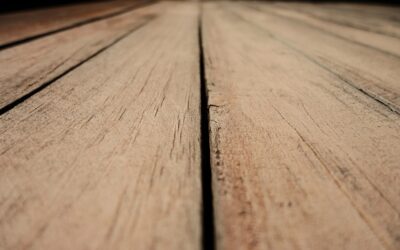
Material selection affects everything — appearance, maintenance, lifespan, and total project cost. Pressure-treated pine ($2-$5 per square foot for materials) remains the most affordable option, but it requires staining every 1-2 years and lasts 15-20 years with proper care.
Composite decking from Trex Transcend, TimberTech Azek, or Fiberon ($6-$14 per square foot) eliminates staining entirely. These products resist rot, insects, and fading with 25-50 year warranties. They cost more upfront but save thousands in maintenance over their lifespan. Cedar and redwood ($5-$10 per square foot) split the difference — natural beauty with moderate maintenance needs and 15-25 year lifespans. Ipe hardwood ($10-$20 per square foot) lasts 40+ years and develops a stunning silver patina if left unsealed.
Layout and Configuration
Match your deck layout to how you actually use the space. A simple rectangular platform works for small yards and budgets, costing $3,000-$8,000 for a 12×16-foot footprint. Multi-level designs add visual interest and separate zones — a dining level at door height stepping down to a lounging level closer to the yard.
Wraparound decks follow the house perimeter, creating multiple access points and vantage points. They suit homes with scenic views or those built on slopes. Floating decks (ground-level platforms not attached to the house) require no ledger board, simplifying construction and often bypassing permit requirements for structures under 200 square feet and 30 inches above grade. Check local codes — they vary significantly between jurisdictions.
Built-In Features Worth the Investment
Integrated seating eliminates the need for bulky outdoor furniture and maximizes usable floor space. Built-in benches along the perimeter cost $20-$40 per linear foot to construct and double as railing when designed to code height (36-42 inches).
- Pergola or shade structure: $2,000-$8,000 — defines the space and provides relief from direct sun
- Built-in planter boxes: $150-$400 each — soften the deck edge with greenery
- Fire pit or fireplace: $500-$3,000 — extends three-season use into cooler months
- Outdoor kitchen counter: $2,000-$10,000 — makes the deck the true entertaining hub
- Hot tub pad: $500-$1,500 additional framing — requires reinforced joists rated for 75-100 lbs per square foot
Lighting Design
Deck lighting extends usable hours and creates atmosphere after dark. Post cap lights ($15-$40 each) mount on railing posts and provide ambient glow without overwhelming brightness. Recessed stair lights ($10-$25 each) improve safety on steps while adding a subtle architectural detail.
LED strip lighting under railing caps or bench lips creates a floating effect that looks spectacular at night. Low-voltage landscape lighting systems run $200-$800 for a complete deck installation and cost pennies per day to operate. Solar options ($20-$60 per set) eliminate wiring entirely but provide less consistent illumination. For overhead light, string lights on posts or a pergola beam — commercial-grade LED strands ($20-$50) last 25,000+ hours and set the ideal casual entertaining mood.
Railing Options
Railings account for 30-40% of a deck’s visual impact. Cable railings ($50-$80 per linear foot installed) offer clean modern lines and unobstructed views — ideal for elevated decks overlooking landscapes. Glass panel railings ($80-$150 per linear foot) provide wind protection while maintaining sightlines.
Composite and vinyl railings ($25-$50 per linear foot) match the deck surface and require zero maintenance. Metal balusters in black aluminum ($20-$40 per linear foot) pair well with wood or composite top rails for a transitional look. Horizontal board railings create a contemporary aesthetic at $30-$60 per linear foot but require tighter spacing (under 4 inches) to meet building codes in most areas. Some of the most striking patio deck ideas use contrasting railing materials — dark metal balusters against a light composite rail, for instance.
Ground-Level Patio Deck Alternatives
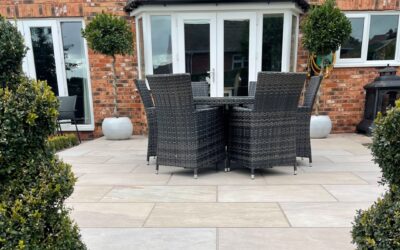
Not every outdoor living space needs an elevated deck. Ground-level patios using pavers ($8-$25 per square foot installed) or stamped concrete ($8-$18 per square foot) create durable entertaining areas without the structural complexity of a raised deck. Maintenance is minimal — pressure wash annually and reseal every 3-5 years.
Paver patios allow easy repair — individual damaged pavers pop out and replace in minutes. Porcelain pavers ($10-$30 per square foot) offer a premium look with near-zero maintenance. For a hybrid approach, build a low platform deck (6-12 inches off the ground) adjacent to a paver patio, creating distinct zones at a lower total cost than building the entire area as elevated deck.
Budgeting and Planning
Professional deck construction averages $30-$60 per square foot for pressure-treated lumber and $45-$90 per square foot for composite, including labor and materials. A 300-square-foot composite deck runs $13,500-$27,000 in most markets. DIY construction cuts costs by 40-50%, though it requires solid carpentry skills and 3-6 weekends of work.
Get three quotes and request itemized estimates that separate materials, labor, and permits. Permits typically cost $100-$500 and are required for any deck attached to the house or exceeding height thresholds. Plan the project in winter for spring construction — contractors offer better pricing during their slow season, and material costs tend to be lower before the spring rush hits lumber yards.