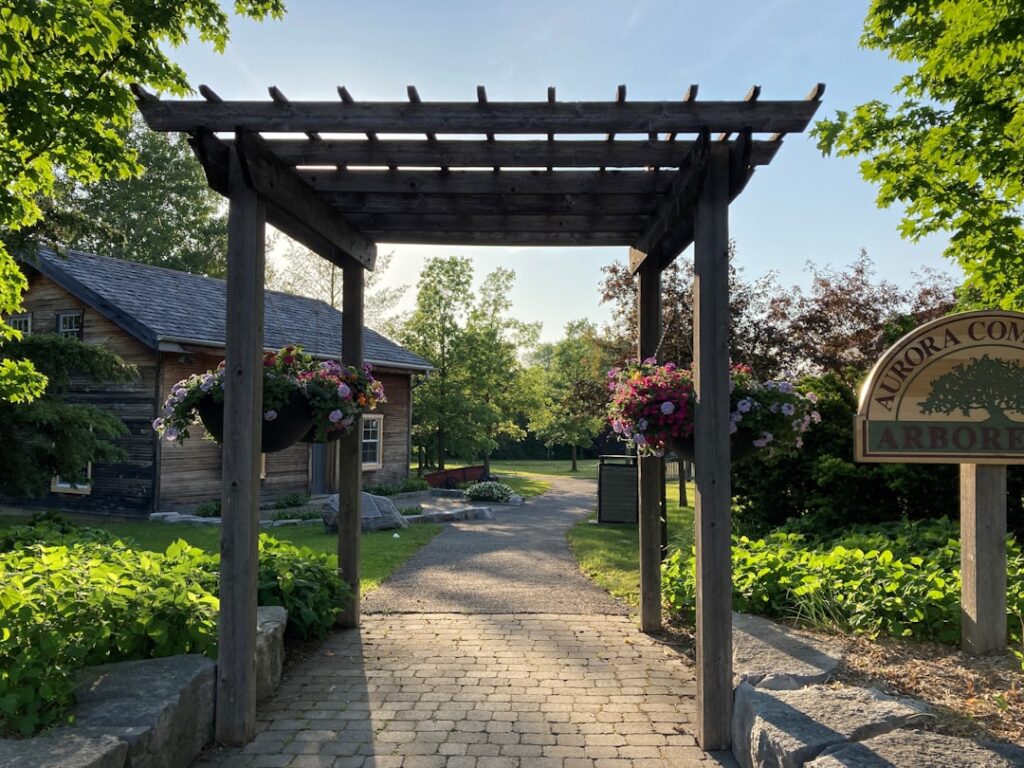
Pairing a patio with a pergola is one of the most popular ways to transform a backyard into a true outdoor room. The Spanish phrase patios con pergolas simply means patios with pergolas, and the combination delivers shade, structure, and style without enclosing the space. A pergola gives your patio definition overhead, filters harsh sun into dappled light, and creates a natural anchor for furniture, dining, and plants. Whether you are building from scratch or upgrading an existing slab, here is how to plan a patio and pergola that work beautifully together.
Why Combine a Patio and a Pergola
A bare patio bakes in direct sun, which limits how often you actually use it during the hottest part of the day. Adding a pergola changes that. The overhead structure of slats or rafters provides partial shade, cooling the space and making it comfortable for afternoon meals and evening gatherings. Beyond function, a pergola adds vertical interest and a sense of enclosure, turning a flat patio into a defined destination. Many homeowners find that patios con pergolas instantly raise the perceived value and livability of their outdoor space.
Choosing the Patio Surface
The patio floor sets the foundation, literally, for the whole project. Common surface options each have trade-offs:
- Concrete: durable, affordable, and versatile; can be stamped or stained for a custom look.
- Pavers: attractive and repairable, since individual units can be lifted and replaced.
- Natural stone: premium and long-lasting, with a high-end appearance and a higher price.
- Brick: classic and warm, with a timeless patio feel.
- Porcelain pavers: a modern, low-maintenance option rated for outdoor use.
Whatever you choose, ensure proper drainage so water runs away from the house and does not pool under the pergola.
Pergola Materials
The pergola itself comes in several materials, each with a distinct look and maintenance profile:
- Wood: cedar and redwood resist rot naturally and offer a warm, classic look, though wood needs periodic sealing or staining.
- Aluminum: lightweight, rust-resistant, and low-maintenance, often available in modern powder-coated finishes.
- Vinyl: easy to clean and never needs painting, with a crisp white look that holds up to weather.
- Composite: blends durability with a wood-like appearance and minimal upkeep.
Match the material to your climate and how much maintenance you want to take on. In wet or coastal areas, rust-resistant aluminum or composite often outlasts untreated wood.
Designing for Shade
A traditional open-rafter pergola provides partial shade, but you can dial in the coverage. The spacing and depth of the top slats determine how much sun filters through, with closer, deeper slats casting more shade. For more control, consider these shade upgrades:
- Retractable canopy: a fabric cover that slides across the top when you want full shade and retracts for sun.
- Climbing plants: vines like wisteria, grapes, or climbing roses grow over the structure for living, seasonal shade.
- Louvered roof systems: adjustable slats that tilt open or closed, and some even shed rain.
- Shade cloth or sails: stretched across the top for affordable, effective sun blocking.
Think about the sun’s path across your yard so you orient the pergola to block the harshest afternoon rays.
Sizing and Placement
Size the pergola to suit how you will use the patio. For a dining area, allow enough room for the table and chairs plus space to pull seats out and walk around, generally a structure several feet larger than the table on all sides. For a lounge area, plan for sofas and a path through. Placement matters too: attaching the pergola to the house creates a seamless indoor-outdoor flow, while a freestanding pergola can anchor a destination spot deeper in the yard.
Adding Comfort and Style
Once the structure is up, the details make it inviting. String lights woven through the rafters create a warm evening glow, while outdoor-rated furniture, cushions, and rugs make the space livable. Planters and climbing vines soften the structure and add greenery. An outdoor fan can move air on still days, and a fire feature extends the season into cooler nights. These finishing touches turn the framework into a room you want to spend time in.
Permits, Footings, and Wind
Before you build, check local rules, because many areas require a permit for a permanent pergola, especially if it attaches to the house. Footings matter for stability: posts should be set in concrete footings sized for your soil and frost depth, and in colder climates footings must extend below the frost line to prevent heaving. Wind is another real consideration, since an open pergola catches gusts; secure post bases with proper anchors and use adequate hardware at every joint. If you add a solid or louvered roof, the structure carries more load and may need beefier posts and beams. When in doubt, have a contractor confirm the design for your conditions.
Maintenance by Material
Upkeep depends on what you build with, so plan for it honestly. Wood pergolas need the most attention, with cleaning and resealing or restaining every couple of years to fight rot, fading, and insects. Aluminum is nearly maintenance-free beyond an occasional wash to remove dirt and pollen. Vinyl wipes clean with soap and water and never needs painting, though it can grow algae in damp, shaded spots. Composite resists rot and fading but still benefits from periodic cleaning. Factor these long-term tasks into your choice, because the cheapest material upfront is not always the cheapest over the life of the structure.
Bringing It All Together
Well-designed patios con pergolas blend a solid, well-drained patio surface with a pergola sized, oriented, and shaded for real comfort. Choose materials suited to your climate, plan the shade strategy around the sun, and finish the space with lighting and furnishings. Confirm permits and proper footings before you build so the structure stands up to wind and weather for years.
The result is an outdoor room that stays cool, looks polished, and invites you outside from spring through fall. Whether you build it yourself from a kit or hire a contractor for a custom design, pairing a patio with a pergola is one of the most rewarding upgrades you can make to a backyard, adding usable living space and curb appeal at the same time.