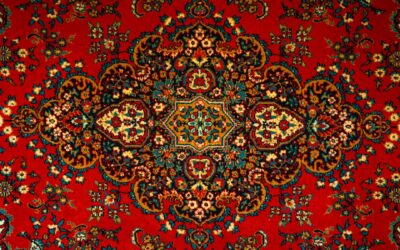
Walk into a room floored in a soft, uniform beige and it reads calm but forgettable. Swap that for a subtle diamond weave or a raised geometric loop and the same square footage suddenly has depth, movement, and a designer’s fingerprint. Pattern wall to wall carpet is how homeowners get that layered, custom look without laying down a single area rug. After twenty-plus years of walking job sites, I can tell you the pattern you pick does more heavy lifting for a room’s character than almost any other flooring decision you’ll make.
This guide walks through the design styles that actually work in a home, the construction details that separate a carpet that ages well from one that mats down in two years, and the real numbers you should expect when the quote lands on your kitchen table.
Why Choose Pattern Wall to Wall Carpet
A solid-color broadloom shows everything. Vacuum tracks, footprints, the crumb your kid dropped three days ago near the couch. A patterned surface breaks up light and hides that daily wear far better, which is exactly why hotels, offices, and busy family homes lean on it. The visual noise works in your favor.
Beyond hiding dirt, pattern gives a room scale and direction. A linear stripe running the length of a narrow hallway stretches it visually. A tight all-over motif in a large great room keeps the floor from feeling like an empty ocean. You’re not just buying floor covering here; you’re buying a design tool that shapes how the whole space feels.
- Conceals traffic and stains better than any solid color
- Adds warmth and softness underfoot that hard tile never will
- Reduces echo and dampens sound between floors by 5 to 10 decibels
- Defines a room’s style without needing loose rugs that slide and bunch
Popular Pattern Styles and Where They Shine
Not every motif belongs in every room. Matching the scale and mood of the pattern to the space is where most homeowners either nail it or regret it. Here’s how the common families break down.
Geometric and Trellis
Diamonds, hexagons, lattice, and interlocking trellis designs read modern and tailored. They suit living rooms, home offices, and formal dining spaces. Keep the scale medium in a room under 200 square feet so the repeat doesn’t overwhelm; save the big, bold repeats for open-concept areas over 300 square feet where they have room to breathe.
Textured Loop and Cut-and-Loop
These build the pattern into the yarn itself rather than the color. Some loops sit high, some low, and the contrast creates pin-dot, pindot, or sculpted swirl effects that stay quiet from across the room but reward a closer look. This is my go-to recommendation for stairs and hallways because it hides wear beautifully and holds up to heavy foot traffic.
Stripes and Linear
Running stripes down a hall or up a staircase adds a crisp, architectural feel. Tone-on-tone stripes stay subtle; high-contrast stripes make a statement but demand careful seaming so the lines stay true across the room.
Floral and Organic
Softer botanical and vine motifs bring a traditional or transitional warmth. They work in bedrooms and sitting rooms where you want comfort over crispness. Larger organic repeats can even mimic the look of a fine area rug spread across the entire floor.
Fiber and Pile: What Makes a Pattern Last
The prettiest pattern in the showroom means nothing if the fiber crushes flat within a year. Construction matters as much as looks, and this is where you should slow down and ask questions.
Fiber Choices
- Nylon — the most durable and resilient; bounces back from crushing and handles high traffic. Expect $3 to $7 per square foot for a quality patterned nylon.
- Polyester (PET) — soft and stain-resistant with rich color, but crushes faster than nylon. Budget-friendly at $2 to $4 per square foot.
- Triexta — a newer fiber with excellent stain resistance and durability, often $3 to $5 per square foot.
- Wool — the premium natural option; gorgeous patterns and long life, but $8 to $15 per square foot and more sensitive to stains.
Pile Height and Density
For patterned carpet, density beats plushness. A low-to-medium pile between 0.25 and 0.5 inches with high stitch density holds its pattern definition and resists matting. Squeeze the sample; if you can easily see the backing through the yarn, walk away. Tight, dense construction is what keeps a geometric loop looking sharp five years in.
Cost Breakdown and Budgeting
Homeowners are often surprised that the carpet itself is only part of the number. Here’s a realistic all-in picture for a mid-range patterned installation.
- Carpet material: $2 to $8 per square foot
- Padding: $0.50 to $1.25 per square foot (don’t cheap out here — an 8 lb, 7/16-inch pad protects your investment)
- Installation labor: $1 to $2 per square foot, more for stairs and detailed pattern matching
- Old carpet removal and disposal: $1 to $1.50 per square foot
For a 15-by-20-foot living room, roughly 300 square feet, budget $1,400 to $3,300 installed depending on fiber and pattern complexity. Bold, large-repeat patterns cost more to install because the crew wastes more material lining up the seams, sometimes adding 10 to 15 percent to the material order.
Pattern Matching and Installation Realities
Here’s the detail that trips people up. A patterned carpet has to be matched at every seam the way wallpaper does, and that requires extra material and a skilled installer. Ask your installer directly whether they’ve hung patterned goods before. A sloppy seam on a solid carpet disappears; a mismatched diamond on a patterned floor screams at you every time you walk in.
Good crews plan the layout so seams fall in low-traffic, low-sight areas and run the pattern square to the room’s dominant sightline. Budget for 10 to 20 percent overage on material for pattern repeat and matching. Rush this step and you’ll live with crooked lines for a decade.
Care and Maintenance Tips
Patterned carpet forgives daily life, but it still needs a routine to stay sharp. Vacuum at least twice a week in high-traffic zones with a machine suited to your pile height — set the beater bar higher for loop patterns to avoid snagging the yarn. Blot spills immediately; never rub, which distorts the pattern and pushes the stain into the backing.
Schedule a professional hot-water extraction cleaning every 12 to 18 months. Rotate furniture a few inches seasonally so crush marks don’t set permanently in one spot. With this basic care, a dense nylon patterned carpet realistically lasts 10 to 15 years before it needs replacing.
Matching Pattern to Room Size and Style
Scale is the quiet decision that makes or breaks the whole look. A large, bold repeat that dazzles in a 400-square-foot showroom can feel cramped and chaotic in a 120-square-foot bedroom. As a rule of thumb, keep the pattern repeat under about 8 inches in small rooms and reserve the 12-to-18-inch repeats for open floor plans where the eye has distance to appreciate them.
Color plays into scale too. Low-contrast, tone-on-tone patterns read as gentle texture and pair with almost any wall color and furniture. High-contrast combinations — think charcoal diamonds on cream — become the star of the room, so build the rest of your palette around them rather than fighting for attention. If you’re nervous about commitment, a subtle textured loop gives you pattern insurance: it never dates and never overwhelms.
Think about the adjoining rooms as well. If your patterned carpet meets a hardwood hallway or tile entry, the transition should feel intentional. A busy floral flowing straight into a bold-tile kitchen can clash, while a quiet geometric bridges the two spaces gracefully. Stand at the doorway and picture both floors in the same sightline before you commit.
Making Your Final Choice
When you narrow the field, bring home the largest samples the store allows and lay them on the actual floor. Look at them in morning light and under your evening lamps, because pattern and color shift dramatically with the light source. Live with the samples for a few days before you commit.
Choosing pattern wall to wall carpet is one of the few flooring decisions that lets you inject genuine personality into a room while quietly solving the practical problems of wear and stains. Match the scale to the space, invest in a dense, resilient fiber, and hire an installer who respects the seams. Do those three things and you’ll have a floor that looks intentional and holds its good looks for years, tying your whole room together from the ground up.