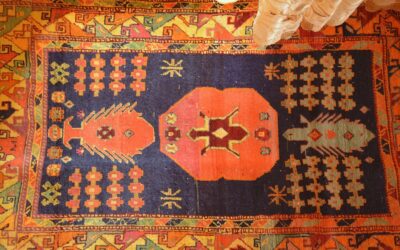
Solid beige broadloom dominates US homes because it is cheap and forgiving. But solid carpet shows every footprint, vacuum line, and pet stain by year three, while a well-chosen pattern hides all three for the full life of the install. A modest upgrade to patterned wall to wall carpet usually adds $0.75 to $2.50 per square foot over plain stock, which pencils out to under $1,500 for a typical 1,200 square foot job. The pattern, fiber, and density all need to match the room, or the carpet looks dated within five years.
Pattern Categories That Sell Today
Carpet pattern trends shift slower than paint colors, but five family styles dominate showrooms:
- Geometric: Trellis, lattice, hexagon, and chevron. Stanton Carpet, Couristan, and Karastan lead this category.
- Cut and loop sculpted: Subtle textures where loop and cut fibers alternate. Mohawk SmartStrand Forever Clean offers strong options under $5 per square foot.
- Tone-on-tone striations: Subtle linear shifts in the same color family. Anderson Tuftex and Masland excel here.
- Floral and damask: Stark and Brintons make hospitality-grade patterns for residential bedrooms.
- Animal print and abstract: Bold leopard or contemporary brushstroke patterns for entryways and statement rooms.
Geometric and tone-on-tone styles age the best. Bold florals and animal prints date faster, usually feeling tired within 8 to 10 years.
Fiber Matters More Than Pattern Looks
A pretty pattern in cheap fiber crushes flat and shows traffic lanes within 18 months. Pair pattern with the right fiber for the room:
- Nylon (Stainmaster, Tactesse, Antron): Best for stairs, halls, and family rooms. Patterns hold definition 15 to 25 years.
- Triexta (Mohawk SmartStrand): Pattern definition rivals nylon with better stain resistance. Excellent for kids’ rooms and pet homes.
- Wool (Stanton, Couristan, Karastan): Holds the deepest pattern definition because wool springs back from compression. Premium bedrooms and formal spaces.
- Polyester: Cheap, soft, stains well but patterns blur faster. Best for low-traffic guest rooms.
Avoid olefin (polypropylene) in patterned products. The fiber holds dye unevenly and patterns lose contrast in months under sunlight or normal vacuuming.
Density Beats Face Weight for Pattern Carpets
Pattern carpet relies on density to keep crisp lines. The minimum density rating is 3,800 for patterns, compared to 3,000 for solids. Calculate density with the formula: face weight times 36, divided by pile height in inches. A 50-ounce carpet at 0.4 inch pile delivers a density of 4,500, which keeps geometric edges sharp for over a decade. Below 3,000 density, the pattern looks fuzzy and washed out by year five.
Hiding Traffic and Stains
Tonal patterns with two close-value colors hide footprints best. Pick a base color one step darker than your wall paint and a pattern accent two steps darker. The Mohawk Concert Hall in Hearthside or Stanton Royal Manor in Sandstone both excel at masking vacuum lines and traffic wear. Multi-color textures with 3 or more shades hide pet hair and stains better than two-tone patterns.
For high-traffic areas, choose a Berber-style loop pattern or a tight cut-and-loop sculpted carpet rather than a printed pattern. Printed patterns from Shaw, Beaulieu, and Tuftex apply dye to a solid base, and the design wears off the top of fibers in 8 to 10 years. Yarn-dyed patterns, where the color goes the full depth of the fiber, last the full life of the carpet.
Where Patterns Work Best
Pattern carpet shines in specific rooms:
- Stairs and halls: Subtle geometric patterns hide foot traffic and lint between vacuum sessions.
- Home offices: Tone-on-tone striations add visual interest without distracting on video calls.
- Bedrooms: Floral and damask patterns in wool or nylon add warmth.
- Theater rooms and bonus rooms: Hospitality patterns from Brintons or Wilton-woven options absorb sound and hide popcorn crumbs.
- Long hallway runners: Geometric and traditional patterns elongate narrow corridors visually.
Avoid patterns in small bathrooms or laundry rooms where moisture and stain risks demand vinyl or tile.
Installation Cost Breakdown
A typical 1,200 square foot installation with patterned carpet runs:
- Carpet: $3.50 to $7.50 per square foot, total $4,200 to $9,000
- 8-pound rebond pad: $0.45 per square foot, total $540
- Tear-out and disposal of existing carpet: $0.60 to $1.20 per square foot, $720 to $1,440
- Installation labor: $1.20 to $2.50 per square foot, $1,440 to $3,000
- Trim, transition strips, and tack strip: $200 to $400
Pattern-matching at room seams adds 10 to 20 percent in material waste. Order extra: 1,200 square feet of finished install typically requires 1,350 to 1,440 square feet of carpet to align the repeat. Confirm the repeat dimensions, often 18 to 36 inches, with the salesperson before ordering.
Brands to Shop and Skip
For patterned wall to wall, the brands worth comparing are:
- Stanton Carpet: Premium patterns, $7 to $14 per square foot, 25-year warranty on most lines
- Couristan: Mid-range to premium, $5 to $11 per square foot, strong geometric collection
- Karastan: Wool and wool-blend patterns, $8 to $16 per square foot
- Mohawk SmartStrand: Best value triexta patterns, $3.50 to $6 per square foot
- Tuftex by Shaw: Wide style range, $3 to $7 per square foot
Skip the bargain pattern carpets at big-box stores under $2 per square foot. The pattern is printed on solid stock with weak fiber binding and rarely lasts more than 5 years before showing wear lanes.
Cleaning Patterned Carpet
Pattern carpets benefit from twice-weekly vacuuming with a beater bar lifted high enough to avoid pulling the loop yarn. Use a Dyson Ball Animal or Miele Complete C3 set to the medium-pile setting. Avoid steam cleaning with hot water extraction during the first year because heat can shrink wool patterns slightly at seams. After year one, professional hot water extraction every 18 to 24 months from Stanley Steemer or Chem-Dry preserves pattern definition without yellowing. Spot clean with Folex or Bissell OxyKick within minutes of any spill, blotting from the outside in to avoid spreading the stain through the pattern.