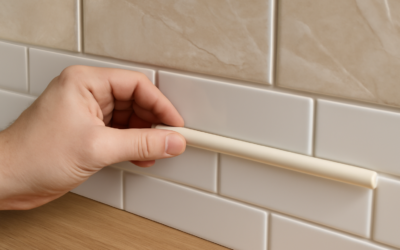
The small details often make or break a tiled wall, and few details do more heavy lifting than the slender trim piece that frames an edge. Pencil tile is a narrow, rounded molding tile, usually about a half-inch wide, named for its resemblance to a pencil laid on its side. It caps raw tile edges, separates accent bands, and gives a backsplash or shower wall a finished, intentional look. If your tile job looks unpolished at the borders, this is often the missing piece.
Part of our Tile & Grout guide — explore the full guide →
What Pencil Tile Actually Is
Pencil tile is a type of trim or liner tile with a half-round or bullnose profile that rises slightly off the wall. Most pieces measure roughly 0.5 to 0.75 inches wide and 6 to 12 inches long. Unlike field tile that covers large areas, pencil trim is decorative and functional, designed to cover the exposed edge where tile meets drywall, paint, or another material.
You will hear it called pencil liner, pencil molding, or pencil rail. They all describe the same thin, raised strip that runs along a tile field’s perimeter or between two design elements.
Common Uses Around the Home
The most frequent job for pencil tile is finishing the top edge of a backsplash. Instead of leaving a sharp, glazed tile edge or an awkward bullnose, a slim pencil rail creates a clean transition to the wall above. It also works around windows, niches, and the perimeter of a shower surround.
Designers also use pencil tile to frame an accent. Picture a band of mosaic or a decorative medallion outlined top and bottom with pencil trim; the liner separates it visually and keeps the eye organized. In wainscoting and chair-rail applications, a pencil molding caps the tiled lower wall.
Materials and Finishes
Pencil tile comes in nearly every material used for field tile, so you can match or contrast your main surface.
- Ceramic and porcelain: The most common and affordable, often $4 to $12 per linear foot, available in glossy and matte glazes.
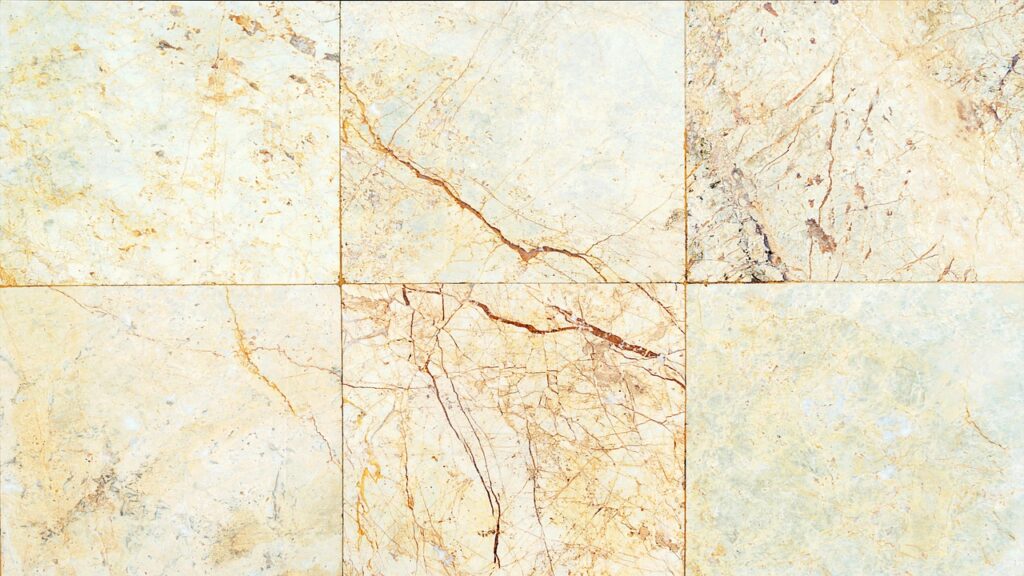
- Natural stone: Marble, travertine, and slate pencils add an organic look, typically $8 to $25 per linear foot, and need sealing.
- Glass: Adds shimmer and pairs well with glass mosaics, usually $10 to $30 per linear foot.
- Metal: Brushed nickel, bronze, and stainless give a modern edge, often $15 to $40 per linear foot.
Match the finish to your field tile or pick a deliberate contrast. A polished marble pencil against honed field tile, for instance, draws a subtle line of light around the design.
Choosing the Right Size and Profile
Scale matters. A 0.5-inch pencil trim suits a delicate mosaic or a small bathroom, while a 0.75-inch or larger molding holds its own against big-format wall tile. Look at the profile too: a true half-round reads soft and traditional, while a flatter, more squared edge feels contemporary.
Buy a sample and hold it against your field tile before committing. The contrast in thickness and sheen is easier to judge in person than from an online photo.
How to Install Pencil Tile
Installation is straightforward but requires patience because the pieces are small.
- Set your field tile first and let the thinset cure fully, usually 24 hours.
- Dry-lay the pencil trim along the edge to plan your cuts and spacing before applying adhesive.
- Back-butter each piece with a small amount of thinset or use a quality tile mastic for walls.
- Press each pencil into place, keeping a consistent grout joint, and use spacers to stay aligned.
- Cut pieces with a wet saw or a rod saw for stone; nippers can chip the rounded edge.
- After curing, grout the joints and wipe clean, then seal natural stone pencils.
Take your time on the corners. Mitered corners look the cleanest but require careful 45-degree cuts; for a quicker job, butt the pieces and let the grout line carry the corner.
Pencil Tile vs Other Trim Options
Pencil tile is one of several ways to finish a tile edge, and knowing the alternatives helps you choose. Bullnose tile is a field tile with one rounded edge, which gives a flatter, more integrated finish but offers less of a raised, decorative line. Schluter and metal edge profiles are aluminum or stainless strips that create a crisp, modern border and protect edges from chipping, popular in contemporary designs. Quarter-round and other ceramic trims sit between these in look.
Compared with these, pencil tile reads as more traditional and decorative because it stands proud of the wall and casts a subtle shadow line. If you want a sleek, flush modern edge, a metal profile may suit you better; if you want a soft, finished molding look, the pencil rail is the classic answer.
Design Ideas to Try
A little creativity goes a long way with pencil trim. Run a marble pencil around a glass mosaic niche in a shower to frame it like artwork. Use a metal pencil to outline a backsplash accent band for a hint of contrast against subway tile. In a traditional bathroom, cap a tiled wainscot with a wide pencil molding to mimic a chair rail. You can even stack two pencils with a thin liner between them for a more substantial border on a tall wall.
Keep the rest of the design simple when you use pencil trim as an accent, so the eye reads the border as an intentional detail rather than visual clutter.
Common Mistakes to Avoid
- Mismatched lots: Order your pencil trim with your field tile so the dye lots and finishes coordinate.
- Skipping the dry layout: Always dry-lay the trim first to plan cuts and avoid awkward slivers at corners.
- Wrong adhesive: Use the proper thinset or mastic for the substrate; small pieces fall off if the bond is weak.
- Unsealed stone: Forgetting to seal a natural-stone pencil leads to grout staining and a dingy edge.
Cost and Where to Buy
Because you only need linear footage to outline a design, pencil tile is an affordable upgrade. A typical kitchen backsplash edge might require 12 to 20 linear feet, landing most projects between $60 and $300 in materials. Home centers, tile showrooms, and online tile retailers all stock pencil trim, and many tile collections include a matching pencil so your trim and field tile come from the same dye lot.
Is Pencil Tile Worth It?
For a small material cost, pencil tile elevates a tile installation from passable to professional. It hides raw edges, organizes accent bands, and adds a layer of detail that homeowners notice even when they cannot name it. If you are tiling a backsplash, shower, or accent wall, plan for a finishing trim from the start, and a pencil liner is one of the most versatile, budget-friendly options you can choose.
Prefer to explore on your own?
See how new flooring looks in your actual room in seconds — free, no signup.
Try the free Floor Studio →