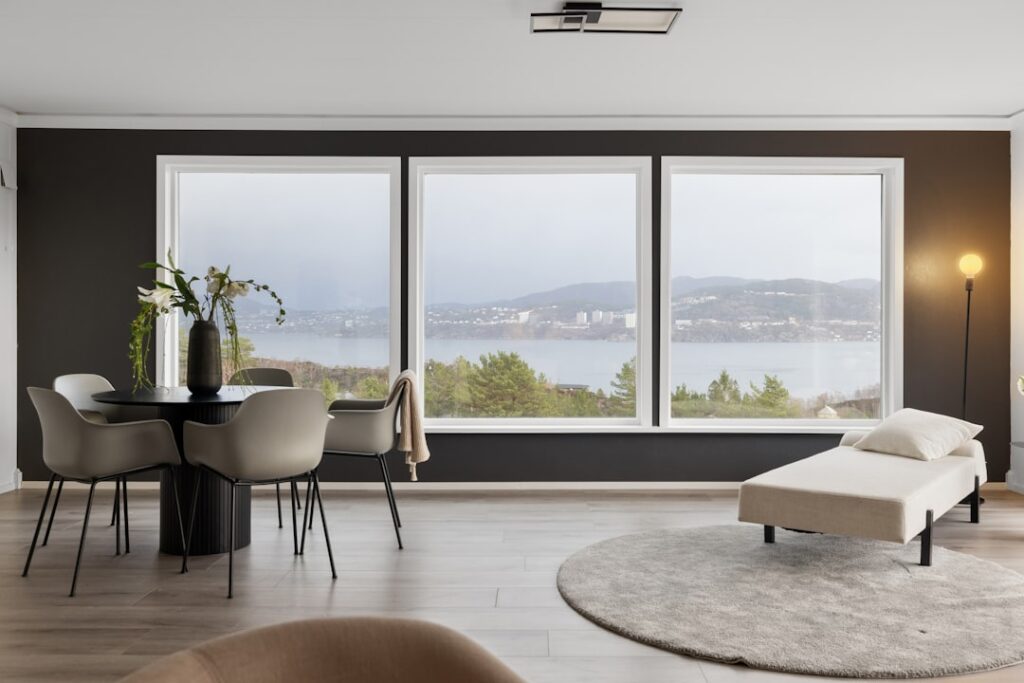
Pergo LVP is the luxury vinyl plank line from Pergo, a well-known flooring brand that helped popularize laminate flooring decades ago and now offers waterproof rigid-core vinyl as well. For homeowners who want the warm look of hardwood with the practicality of waterproof, low-maintenance flooring, Pergo’s luxury vinyl plank is a strong contender that combines realistic visuals with durable construction.
This guide explains what Pergo LVP is, how rigid-core vinyl is built, its key benefits and trade-offs, how installation works, and how to keep it looking great, all without fabricated model numbers or prices.
What Pergo LVP Actually Is
Luxury vinyl plank, or LVP, is a multilayer synthetic flooring that mimics the appearance of wood planks. Pergo produces rigid-core versions of LVP, the category that includes WPC (wood-plastic composite) and SPC (stone-plastic composite) cores. Rigid-core construction gives the planks dimensional stability and a sturdier feel underfoot than older flexible vinyl, and it is engineered to be waterproof.
A typical rigid-core plank has several layers working together: a backing layer, the rigid core that provides stability, a printed design layer that creates the realistic wood look, and a clear wear layer on top that resists scratches and scuffs. Many Pergo planks also include an attached underlayment pad for comfort and sound dampening.
Key Benefits
- Waterproof: The rigid vinyl core does not swell when exposed to water, making it suitable for kitchens, bathrooms, basements, and laundry rooms.
- Durable wear layer: The protective top layer resists scratches, dents, and everyday wear, a plus for pets and kids.
- Realistic looks: High-definition printing and embossed textures convincingly replicate wood grain and knots.
- Comfort and quiet: The rigid core plus attached padding feels more solid and muffles sound compared with thin vinyl.
- Easy installation: Most lines use a click-lock floating system suited to DIY.
- Low maintenance: No refinishing, sealing, or waxing required.
How It Compares to Other Flooring
Against real hardwood, Pergo LVP wins on water resistance, scratch resistance, and price, while genuine wood holds an edge in authenticity and the ability to be refinished. Compared with laminate, which Pergo also makes, LVP is fully waterproof whereas laminate is only water-resistant and can swell if water sits on seams. Versus tile, LVP is warmer and softer underfoot and far easier to install, though tile remains the most heat- and scratch-proof option.
For most living spaces and wet areas, the balance of looks, durability, and value makes rigid-core LVP a practical pick.
Where to Use It
Because it is waterproof and stable, Pergo LVP works throughout the home, including spaces where solid hardwood is risky. It performs well in kitchens, full and half baths, basements, mudrooms, entryways, and over many existing subfloors. As always, follow the manufacturer’s guidance on suitable subfloors, moisture conditions, and any temperature or sunlight limits for specific products.
How Installation Works
Most Pergo luxury vinyl plank installs as a floating floor using a click-lock joint, meaning the planks interlock to one another rather than gluing or nailing down to the subfloor. This makes it accessible to confident DIYers.
- Acclimate the planks in the room as the instructions direct, and ensure the subfloor is clean, dry, and flat within the stated tolerance.
- Address any low spots or unevenness, since rigid core bridges minor variation but not significant dips.
- Leave the specified expansion gap around the perimeter so the floor can move with temperature changes.
- Click planks together row by row, staggering end joints for strength and a natural look.
- Install transition strips and reinstall baseboards or quarter round to cover the expansion gap.
Always follow Pergo’s specific installation instructions and warranty requirements for the product you buy, since details vary by line and skipping steps can void coverage.
Cost Expectations
Prices vary by collection, retailer, and region, so treat any figure as an estimate. Luxury vinyl plank generally falls in a mid-range price band for materials, typically more than basic vinyl and often less than solid hardwood or premium tile. Because many homeowners install the click-lock system themselves, total project cost can stay reasonable. If you hire a pro, labor adds to the material cost. Buy extra planks for cuts, waste, and future repairs.
Cleaning and Maintenance
Maintenance is one of LVP’s biggest selling points. Sweep or vacuum regularly to remove grit that can dull the wear layer, and damp-mop with a cleaner approved for luxury vinyl rather than harsh abrasives, wax, or steam, which can damage the surface or finish. Wipe spills promptly even though the floor is waterproof, mainly to prevent slips and keep it clean.
Protect the floor with felt pads under furniture, use non-staining mats at entries to catch grit, and avoid dragging heavy items across the surface. Follow the manufacturer’s care recommendations to keep any warranty valid.
Understanding Wear Layers and Quality
The wear layer is the single most important indicator of how a luxury vinyl plank will hold up, since it is the clear protective coating that takes all the abuse. Thicker wear layers resist scratches, scuffs, and dents better and generally suit higher-traffic areas and homes with pets, while thinner layers are fine for lighter-use rooms. When comparing Pergo collections, the wear layer is a key spec to weigh against the price.
Core thickness and the realism of the visual layer also separate good from great. A thicker rigid core feels more substantial and bridges minor subfloor imperfections better, and high-definition printing with deep embossing makes the wood look and feel more convincing. Reading the product specs for each collection helps you match the right level of durability to each room.
WPC vs. SPC Cores
Rigid-core LVP comes in two main flavors, and knowing the difference guides your choice. WPC, or wood-plastic composite, has a slightly softer, warmer, more cushioned feel underfoot because of its composition, making it comfortable for living spaces. SPC, or stone-plastic composite, has a denser, harder core that is more dimensionally stable and resistant to dents, which suits very high-traffic areas and rooms with big temperature swings.
Both are waterproof and both perform well; the trade-off is comfort versus rigidity. Check which core a given Pergo collection uses, and consider where the floor is going. For a busy kitchen or a sunny room, the stability of SPC can be an advantage, while a family room might favor the softer feel of WPC.
Is Pergo LVP Right for You?
For homeowners seeking a waterproof, durable, realistic wood-look floor that is friendly to DIY installation and easy to live with, pergo lvp delivers a well-rounded package from an established brand. It suits busy households, wet areas, and basements where real wood would struggle. Match the right collection to your space, follow the installation and care instructions, and you get a good-looking floor that holds up to daily life for years.
Prefer to explore on your own?
See how new flooring looks in your actual room in seconds — free, no signup.
Try the free Floor Studio →