Here’s a detail that trips up a lot of shoppers: Pergo doesn’t make ceramic tile. Pergo tile flooring refers to Pergo’s laminate and vinyl products designed to look like stone, slate, or ceramic tile, not to actual fired-clay tile. Pergo invented modern laminate flooring in the 1980s, and its tile-look lines give you a convincing stone or tile appearance with the easier installation and warmer feel of a floating floor. Understanding that distinction is the key to buying the right product.
What “Pergo Tile” Really Means
When you see “Pergo tile flooring,” you’re looking at one of two product families. The first is laminate with a printed tile or stone image under a tough wear layer. The second is Pergo’s luxury vinyl tile and plank lines, which carry similar visuals on a waterproof core. Neither is grouted ceramic; both replicate the look using high-resolution imaging and embossed texture.
This matters because the care, cost, and best-use rooms differ from genuine tile. Pergo tile-look products skip mortar and grout, install as a click-together floating floor, and feel warmer and softer underfoot than a cold ceramic surface.
Pergo Tile-Look Product Lines
Pergo’s catalog includes several collections relevant to tile shoppers:
- Pergo Outlast+ and Pergo Portfolio (laminate): Stone and tile visuals with water-resistant cores and the classic click-lock joint.
- Pergo Extreme and Pergo WetProtect Vinyl: Fully waterproof vinyl tile and plank, well-suited to baths and kitchens.
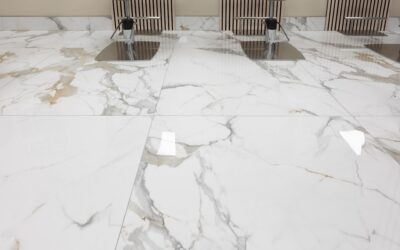
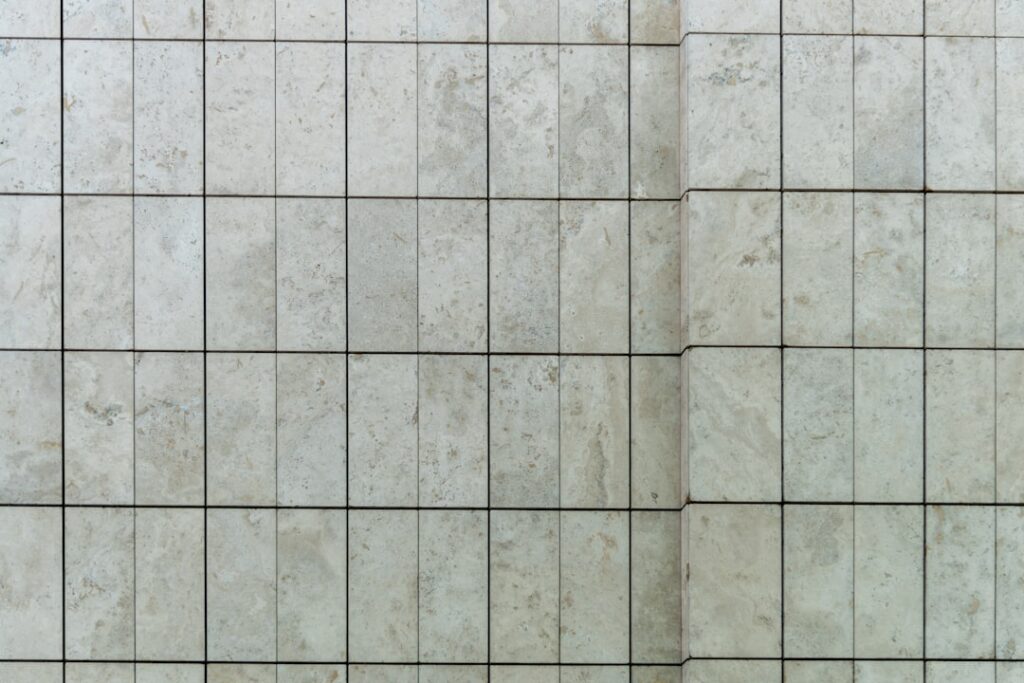
- Tile-format planks: Some lines come in larger tile-shaped pieces with grout-line embossing for a realistic stone appearance.
Always confirm whether the specific SKU is laminate or vinyl, because that determines its waterproof rating and where you can install it.
Pros of Pergo Tile Flooring
The appeal comes down to getting a stone look without the headaches of real tile:
- Easier installation: Click-lock floating planks need no mortar, no grout, and no days of curing.
- Warmer underfoot: Unlike cold ceramic, the laminate or vinyl core feels more comfortable barefoot.
- Lower cost overall: Material plus DIY install typically beats the price of tile installed by a pro.
- Durable wear layers: Pergo’s scratch and stain resistance handles busy households and pets well.
- Realistic visuals: Modern printing and embossing make the stone and tile patterns convincing.
Cons to Consider
It’s still an imitation of tile, and a few trade-offs come with that:
- Not true tile: It won’t have the exact heft, coolness, or premium feel of ceramic or natural stone.
- Laminate water limits: Laminate lines resist water but aren’t all fully waterproof; choose vinyl for wet rooms.
- Repeating patterns: Without enough pattern variation, the printed look can read as artificial across a large floor.
- Resale perception: Some buyers value genuine tile or stone over a look-alike floor.
Cost Comparison
Budget is often the deciding factor. Here’s a realistic picture:
- Pergo tile-look laminate: Roughly $2 to $4 per square foot for materials.
- Pergo waterproof vinyl tile: About $3 to $6 per square foot.
- Genuine ceramic or porcelain tile, installed: Often $7 to $15-plus per square foot once labor and materials are combined.
For a 200-square-foot bathroom or entry, Pergo tile flooring can save several hundred to a couple thousand dollars over installed ceramic, especially if you do the work yourself.
Where to Use It
Match the product to the room. Pergo’s waterproof vinyl tile lines are the safe choice for bathrooms, laundry rooms, and kitchens where spills and humidity are constant. Water-resistant laminate works well in living areas, hallways, and bedrooms where you want a stone look without standing-water exposure. For a true wet area like a shower floor, stick with real tile, which Pergo’s products are not designed to replace.
Buying Tips
Before you check out, run through this short checklist:
- Confirm whether the SKU is laminate or vinyl and check its exact waterproof rating.
- Order a few extra boxes for cuts, waste, and future repairs from the same lot.
- Look for higher pattern variation counts to avoid an obvious repeat.
- Check the wear-layer thickness and the residential or commercial warranty.
- Buy the matching Pergo underlayment if one isn’t already attached to the planks.
Installation Basics
Pergo tile-look floors install as floating floors, which is a big part of their appeal. The planks or tiles click together over an underlayment without glue or fasteners, floating freely over the subfloor. A typical install runs like this:
- Acclimate the boxes in the room per Pergo’s instructions, usually around 48 hours.
- Prep a clean, flat, dry subfloor; a self-leveling compound fixes dips that would cause flexing.
- Lay the recommended underlayment, or skip it if the planks have one attached.
- Click the pieces together, staggering seams and leaving a perimeter expansion gap.
- Finish with baseboard or quarter-round to cover the gap.
Because there’s no mortar curing time, you can often walk on a Pergo tile floor the same day, a major advantage over real ceramic.
Cleaning and Maintenance
Upkeep is refreshingly simple. Sweep or vacuum regularly to keep grit off the wear layer, and damp-mop with a cleaner made for laminate or vinyl. Avoid soaking laminate lines with water, since standing moisture can reach the seams; waterproof vinyl lines are far more forgiving. Skip steam mops and abrasive scrubbers, both of which can damage the finish. Felt pads under furniture prevent scratches, and door mats at entries cut down on the grit that dulls any floor over time.
How It Compares to LVT and Real Tile
Set Pergo tile-look products against the alternatives and the picture gets clear. Versus standard luxury vinyl tile, Pergo’s vinyl lines compete directly, and the choice often comes down to specific looks and warranty. Versus genuine ceramic or porcelain, Pergo wins on install speed, warmth, and cost, but loses on the authentic heft, the truly waterproof shower-floor capability, and the long-term resale value some buyers assign to real stone. If your heart is set on the exact feel of tile underfoot, nothing imitates it perfectly. If you want the look with far less hassle and expense, Pergo tile flooring is a genuinely smart compromise that most guests will never identify as a look-alike.
The Bottom Line
Pergo tile flooring is a smart middle ground: the look of stone or tile, the convenience of a floating floor, and a friendlier price. Just remember it’s a tile-look product, not ceramic. Choose the waterproof vinyl lines for wet rooms, the laminate for living spaces, and you’ll get a durable, attractive floor that installs in a weekend.
Prefer to explore on your own?
See how new flooring looks in your actual room in seconds — free, no signup.
Try the free Floor Studio →