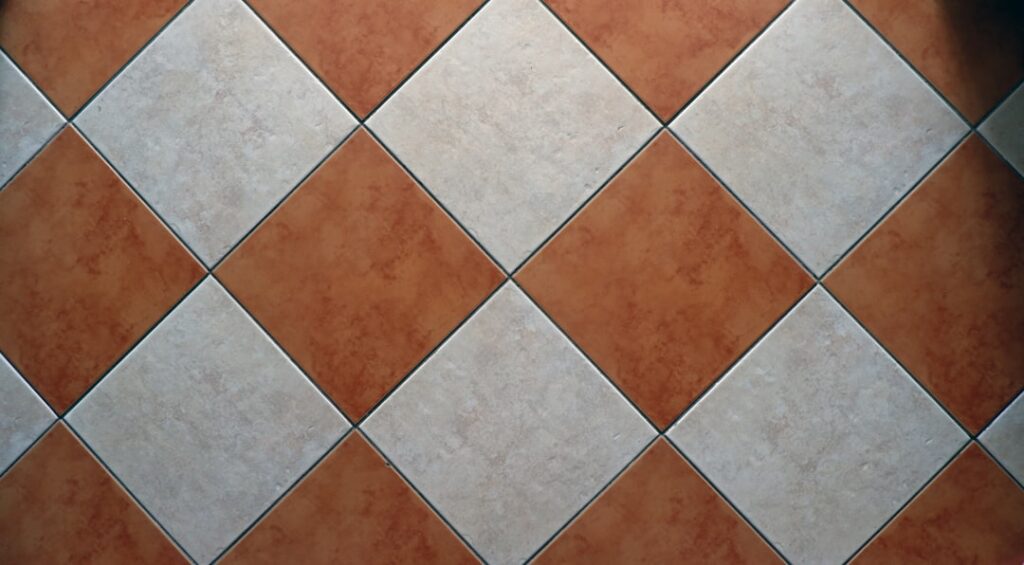
Designers reach for the same grout color again and again because it solves a problem bright white cannot: it hides dirt without going harsh or dingy. Pewter grout, a soft mid-tone gray, has quietly become one of the most popular choices for kitchens, bathrooms, and backsplashes precisely because it strikes that balance. It is dark enough to mask everyday grime, light enough to feel clean, and neutral enough to pair with nearly any tile. Understanding where and how to use it helps you get a finished look that ages well.
- What Makes Pewter Such a Useful Color
- Best Tile Pairings for Pewter Grout
- Choosing Between Cement and Epoxy
- Where Pewter Grout Shines in the Home
- Installation Tips for Consistent Color
- Sealing and Maintenance
- Common Mistakes to Avoid
- Pewter Compared to Other Popular Grout Colors
- How Much Grout Will You Need?
- Is Pewter Grout Right for You?
What Makes Pewter Such a Useful Color
Grout color shapes a tiled surface as much as the tile itself. White grout shows every coffee splash and turns gray with age; black grout makes a bold grid statement but can read heavy. Pewter sits in the practical middle. As a warm-leaning medium gray, it provides gentle contrast that defines each tile without screaming for attention, and its mid-tone depth disguises the dirt, soap scum, and foot traffic that ruin lighter grout.
Best Tile Pairings for Pewter Grout
This gray is a chameleon, but certain combinations are especially strong.
- White subway tile — The classic pairing. Pewter outlines the brick pattern with subtle, modern contrast instead of stark black lines.
- Gray and greige tile — Creates a seamless, monochromatic look where the grout nearly disappears.
- Marble-look porcelain — Complements the natural gray veining without competing with it.
- Wood-look plank tile — Reads as a natural shadow line between planks, mimicking a real wood floor.
- Bold or colorful tile — Tones down vivid tile so the color feels intentional rather than loud.
Because it leans warm rather than blue-gray, pewter flatters both cool and warm palettes, which is why it shows up in so many remodels.
Choosing Between Cement and Epoxy
The color is only half the decision; the grout chemistry determines durability and upkeep.
Cement Grout
The standard, budget-friendly choice. It is easy to work with and widely available in pewter shades. The catch is porosity: cement grout absorbs water and stains unless sealed, and it can lighten or shade slightly as it cures depending on how it is mixed and wiped.
Epoxy Grout
More expensive and trickier to install, but worth it in wet and high-use areas. Epoxy resists stains, water, and chemicals, never needs sealing, and holds its color consistently over time. For a shower or a busy kitchen backsplash, epoxy in pewter stays looking new far longer.
Where Pewter Grout Shines in the Home
Certain rooms benefit most from a forgiving mid-gray.
- Kitchen backsplashes — Hides grease splatter and food splashes near the range.
- Bathroom floors and showers — Masks soap scum and water spotting better than white.
- Entryways and mudrooms — Disguises tracked-in dirt in high-traffic zones.
- Laundry rooms — Stands up to the constant moisture and mess.
Installation Tips for Consistent Color
Cement grout can finish unevenly if you rush, so a few habits keep the pewter uniform.
- Mix every batch to the exact same water ratio. More water lightens the cured color, so eyeballing it leads to patchy shading.
- Let the grout slake (rest) for the time the manufacturer specifies, then remix before applying.
- Wipe with a clean, damp (not soaking) sponge and rinse the sponge often to avoid pulling color out of the joints.
- Buff away haze after it dries, and avoid overworking the joints while they are still soft.
A pro tip: grout a small inconspicuous test area first and let it dry fully. The wet color always looks darker than the cured result, and this saves you from a surprise across an entire room.
Sealing and Maintenance
If you choose cement grout, seal it once it has cured, typically after a few days. A penetrating sealer keeps moisture and stains out and helps the pewter hold its tone. Reseal every one to two years in wet areas. For cleaning, use a pH-neutral cleaner and a soft brush; skip harsh acids and bleach, which erode cement grout and can lighten the color over time. Epoxy grout skips the sealing step entirely and wipes clean with mild cleaner.
Common Mistakes to Avoid
The biggest pitfall is inconsistent mixing that leaves the floor or wall looking blotchy. The second is skipping the sealer on cement grout, which lets the joints darken unevenly as they absorb grime. The third is judging the color from the wet sample; always evaluate cured pewter in the room’s actual lighting before committing to a full installation, since the same gray can look noticeably different under warm versus cool light.
Pewter Compared to Other Popular Grout Colors
It helps to see where this mid-gray sits among the common choices. Bright white delivers maximum contrast and a crisp, classic look but shows every speck of dirt and yellows over time. Charcoal and black make a bold, graphic statement and hide grime well, but the heavy contrast is not for everyone and dark cement grout can effloresce. Beige and tan disappear against warm tile but can read dated. Pewter threads between these extremes: enough contrast to define the tile, enough depth to hide soil, and a neutral warmth that does not commit to a single style era. That balance is exactly why designers default to it when a project needs a safe, flattering grout that will still look right in ten years.
How Much Grout Will You Need?
Estimating grout prevents a mid-job run to the store, which risks a slightly different dye lot. Coverage depends on tile size, joint width, and tile thickness: small tiles and wide joints consume far more grout than large tiles with thin joints. Grout bags and buckets list a coverage chart for exactly this reason, so match your tile dimensions and joint size to the chart and buy one extra unit as insurance. Mixing all your grout from the same lot keeps the pewter color uniform across the whole surface, which matters more with cement grout than with color-stable epoxy.
Is Pewter Grout Right for You?
If you want a grout color that flatters almost any tile, hides everyday mess, and never goes out of style, pewter grout is a safe and stylish bet. Pair it with white subway tile for timeless contrast or with gray tile for a sleek, seamless look, choose epoxy in wet zones for low maintenance, and keep your mixing consistent for an even finish. It is the kind of practical choice you will not second-guess years down the road.