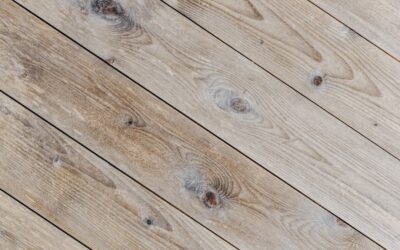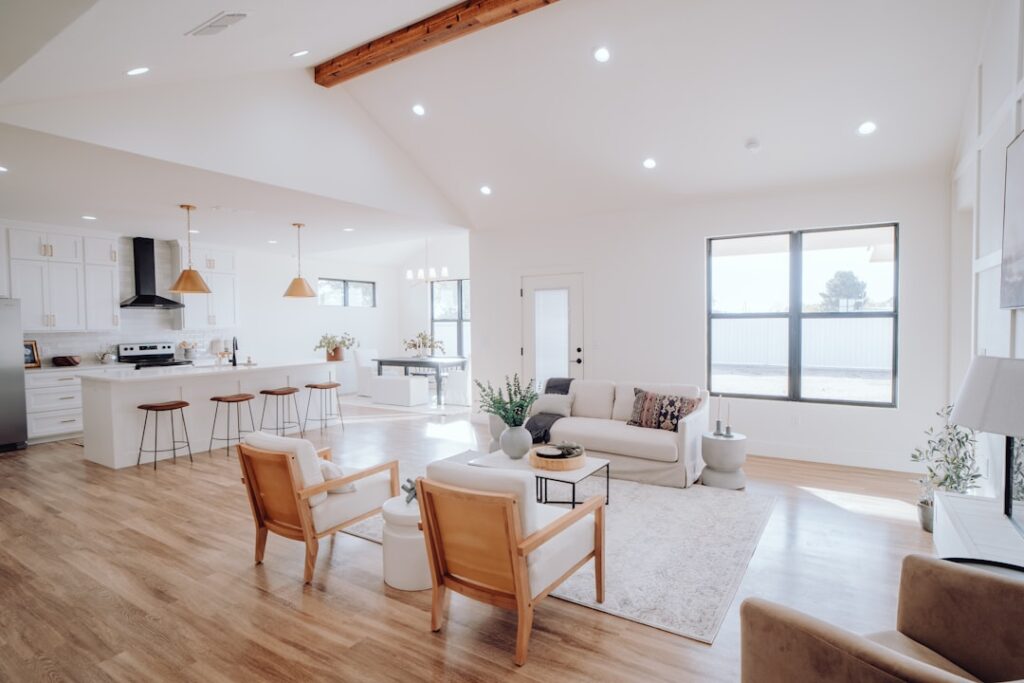
Walk through any 1820s New England farmhouse and the original wide-plank floors are almost always pine. Those boards have absorbed two centuries of foot traffic and they still look gorgeous. Yet modern homeowners get talked out of pinewood flooring constantly because installers prefer denser hardwoods that resist callbacks. That advice is wrong for the right project. Pine is character-rich, far cheaper than oak, and develops a patina that engineered products spend thousands trying to mimic. The trick is matching the species to your traffic and being honest about how much wear you actually want to see.
- Pine Species and Their Janka Hardness
- Why Pine Patinas Beautifully
- Installation: Nail-Down Is Standard
- Finishing Pine: Oil vs. Water-Based Urethane
- Brand Spotlight: Carlisle and Sylvan
- Pros That Make Pine Worth Considering
- Cons You Cannot Ignore
- Is Pine Right for Your House?
- Wide-Plank vs. Strip Width
- Care and Long-Term Maintenance
Pine Species and Their Janka Hardness
Pine is a soft wood, but “soft” covers a 3x range depending on species. Eastern white pine sits around 380 on the Janka scale. Southern yellow pine, longleaf, and heart pine climb to 870, 1,225, and 1,255 respectively. By comparison, red oak is 1,290. Heart pine is essentially as hard as oak, which surprises most buyers.
- Eastern white pine: Janka 380, $3-$6 per sq ft, softest and lightest in color
- Southern yellow pine: Janka 870, $3-$5 per sq ft, amber tone, prominent grain
- Longleaf pine: Janka 1,225, $7-$14 per sq ft reclaimed, dense and resinous
- Heart pine: Janka 1,225-1,255, $8-$16 per sq ft reclaimed, deeply colored center wood
- Knotty pine: Varies by species, $2.50-$5 per sq ft, character grade with visible knots
Why Pine Patinas Beautifully
Pine ambers with UV exposure faster than any common flooring wood. A freshly milled board that looks almost white at install will deepen to honey within six months and reach a rich caramel by year three. That color shift is part of the appeal. It is also why you should not place rugs over a pine floor for the first year. The uncovered area will darken while the covered patch stays pale, leaving a permanent outline.
The resin content also contributes. Heart pine and longleaf both ooze trace amounts of pitch under sunlight, which sets into the finish and gives the wood its trademark glow. This is a feature, not a defect, and it is exactly why reclaimed heart pine sells for $14 per square foot at salvage yards.
Installation: Nail-Down Is Standard
Pine flooring is almost always installed as solid 3/4-inch boards over plywood subfloor with 2-inch flooring cleats every 8 to 10 inches. Boards run 5 to 12 inches wide for the wide-plank look that defines the style. Wider boards demand stricter acclimation. Bring planks into the install space 7 to 14 days before nailing to let moisture content equalize between wood and slab.
Test subfloor moisture with a Tramex or Wagner pin meter. Wood subfloors should read 12% or less, and the difference between subfloor and flooring planks should not exceed 4%. Skip this step and 8-inch boards will cup or develop crown-cracks within one heating season.
Finishing Pine: Oil vs. Water-Based Urethane
Pine takes finish unevenly because of its variable density between earlywood and latewood bands. Pre-stain conditioner from Minwax or General Finishes is mandatory if you are staining. Skip it and the latewood stripes turn nearly black while the earlywood barely tints. Apply conditioner 15 minutes before stain, then wipe stain in long with-grain strokes.
For the topcoat, water-based polyurethanes like Bona Traffic HD or Loba EasyFinish 2K Supra cure hard but keep pine looking pale. Oil-modified urethanes like Duraseal Quick Coat give the warm amber tone most buyers actually want from pine. Plan three coats minimum, sanding lightly between with 220-grit. Total finish cost runs $1.50 to $2.50 per square foot in materials.
Brand Spotlight: Carlisle and Sylvan
Carlisle Wide Plank in New Hampshire mills the most sought-after wide-plank pine in the US, with boards up to 20 inches wide and lengths to 16 feet. Pricing starts around $8 per square foot for new Eastern white and climbs past $20 for reclaimed heart pine. Sylvan Brandt in Pennsylvania is the reclaimed-pine specialist, sourcing salvaged longleaf from old textile mills and barns across the Carolinas. For budget builds, Lumber Liquidators and Bellawood stock kiln-dried southern yellow pine at $3 to $4 per square foot.
Pros That Make Pine Worth Considering
Pine costs roughly 40% less than red oak at the same width and grade. It mills easily, accepts hand-scraped textures beautifully, and welcomes wide-plank dimensions that look forced on harder species. Reclaimed pine carries provable historical authenticity, which matters for renovations on pre-1900 homes. Installation is friendly to DIYers because cleats sink easily through softwood without pre-drilling.
Cons You Cannot Ignore
Eastern white pine dents under chair legs, dropped tools, and high heels. A 3-pound book corner falling 4 feet leaves a permanent mark. Pets with untrimmed nails will scratch the surface within weeks. Pine also requires more recoating than oak. Plan a fresh topcoat every 5 to 7 years instead of 8 to 10. None of these issues kill pine as a choice. They just demand realistic expectations from the buyer.
Is Pine Right for Your House?
Pine fits low-to-medium traffic spaces beautifully: bedrooms, dining rooms, formal living spaces, and second-floor halls. Skip it in mudrooms, kitchens with stone countertops where things drop, and homes with large dogs unless you embrace the dings as patina. For the right house and the right owner, no other floor delivers the same warmth at the same price point. For everyone else, oak or hickory pays back the extra $4 per square foot in lower maintenance over 20 years.
Wide-Plank vs. Strip Width
Pine works best at wider widths. The natural character of the wood gets lost in 2.25-inch strip installations that look more at home with red oak. Specify 5-inch minimum, 8-inch or wider for full impact. Reclaimed heart pine often arrives in 10-inch and 12-inch widths from original timber spans, which is exactly the look that defined New England farmhouse floors for two centuries. Wider planks also reduce install time because fewer boards cover the same area, though they demand stricter subfloor flatness and longer acclimation periods.
Care and Long-Term Maintenance
Clean pine floors with a microfiber dust mop daily and a barely-damp mop weekly with a water-based hardwood cleaner like Bona Hardwood Floor Cleaner. Skip oil soaps and ammonia products because they cloud the finish and attract more dirt. Refinish high-traffic lanes with a screen-and-recoat every 5 to 7 years to restore the topcoat before it wears through to bare wood. Place rugs only after the first year, once the floor has reached its mature patina color, to avoid the permanent outline that early rug placement creates on light-photosensitive pine boards.
Prefer to explore on your own?
See how new flooring looks in your actual room in seconds — free, no signup.
Try the free Floor Studio →