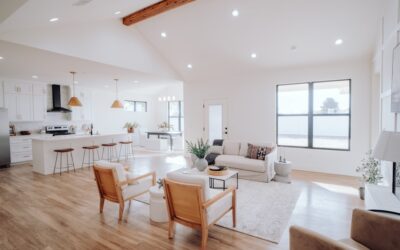
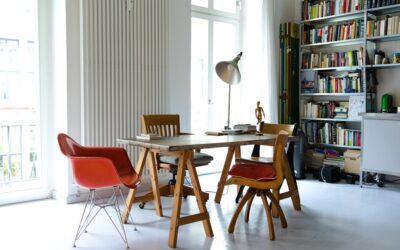
A soft blush underfoot can make a room feel warmer, more romantic, and far more distinctive than the endless gray and brown floors everyone else has. Pink wood flooring ranges from subtle warm undertones in natural species to bold rosy stains and pink-toned vinyl look-alikes, and choosing the right approach depends on how committed you are to the color. Pink is a statement, and like any strong color it can date or read juvenile if handled carelessly. This guide covers where pink tones come from, how to get the look, and how to style it so it reads sophisticated rather than novelty.
- Where the Pink Comes From
- Naturally Pink Wood Species
- Achieving Pink with Stain
- The Easy Route: Pink-Look LVP and Laminate
- Styling a Pink Floor So It Looks Sophisticated
- The Honest Cons
- Care and Maintenance
- Pairing Pink Floors With Decor
- Resale and Long-Term Thinking
- Is Pink Wood Flooring Right for You?
Where the Pink Comes From
There are three main ways to get a pink floor, and they differ a lot in subtlety, cost, and permanence.
- Naturally pink-toned wood species: Some woods carry genuine rose, salmon, or blush undertones in their raw or freshly finished state.
- Pink or blush stains and finishes: A neutral wood like white oak or maple can be stained or color-washed to introduce a pink cast, from a barely-there warm tint to a clear rosy hue.
- Pink-look LVP and laminate: Vinyl and laminate manufacturers print wood patterns with built-in pink and blush tones, giving you the color reliably and waterproof, without the unpredictability of staining real wood.
Naturally Pink Wood Species
Several woods lean pink, especially when new, though most shift in color as they age and oxidize.
- Cherry: Starts with a warm pinkish-red tone and famously darkens to a deeper reddish brown over time with light exposure. Beautiful, but expect significant color change.
- Maple: Pale and creamy with subtle pink and warm undertones; takes a blush stain well.
- Birch and beech: Light woods that often show gentle rosy or salmon hues.
- Some exotic and reclaimed woods can carry pink or coral tones as well.
Be honest with yourself about aging. Woods like cherry will not stay pink; they mellow and deepen, so if you want a lasting blush, a stain or an engineered look-alike is more reliable.
Achieving Pink with Stain
For a controllable, lasting pink on real wood, staining a light species is the most flexible route. White oak and maple are popular bases because they accept color cleanly. A skilled finisher can dial in anything from a whisper of warmth to a clear rose tone, and can blend pink with white or gray to create a sophisticated, muted blush rather than a candy color.
Always test the exact stain on the actual flooring species and finish it with your topcoat before committing, because the same stain looks different on different woods, and the topcoat (especially an oil-based poly, which ambers) shifts the final color. Soft, light woods can also stain blotchy without a pre-stain conditioner.
The Easy Route: Pink-Look LVP and Laminate
If you want the look without the gamble, luxury vinyl plank and laminate are the practical choice. Manufacturers offer wood-look planks with blush, rose, and warm pinkish tones baked into the print layer, so the color is consistent, fade-resistant, and will not change with age the way natural wood does. You also get waterproof or water-resistant performance, easy DIY installation, and a lower price than custom-stained hardwood. For bathrooms, kitchens, kids’ rooms, and rentals, this is often the smartest way to get a pink floor.
Styling a Pink Floor So It Looks Sophisticated
The line between elegant and dated is all in the styling. A few principles keep pink wood flooring looking intentional:
- Go muted, not saturated. Soft, dusty, greige-blush tones read far more grown-up than bright or peachy pinks.
- Balance with neutrals. Pair pink floors with white, cream, soft gray, or black walls and furnishings so the floor is the accent, not the whole story.
- Mind the undertone. Keep your wall colors and decor in the same warm or cool family as the floor’s pink so nothing clashes.
- Choose the room wisely. Pink suits bedrooms, nurseries, dressing rooms, powder rooms, and boutiques beautifully; it can feel less practical in formal or resale-sensitive main living areas.
The Honest Cons
Pink is a polarizing, trend-sensitive color. It can date a space and may narrow your buyer pool if you ever sell, so for a whole-house install think about resale. Natural pink woods change color over time, which makes the look hard to lock in. And custom pink stains on real wood are harder to match later for repairs. The flexible workaround is to keep bold pink to smaller or easily changed spaces, or use LVP that you can swap out without a major remodel.
Care and Maintenance
Care depends on the material. Real pink-stained hardwood needs the usual hardwood routine: felt pads, entry mats, prompt spill cleanup, wood-safe cleaners, and humidity control, plus awareness that sun exposure can fade or shift the tone, so rotate rugs to age it evenly. Pink-look LVP and laminate are far lower maintenance, needing only regular sweeping and damp-mopping, and they resist fading better.
Pairing Pink Floors With Decor
Once the floor is down, the surrounding palette decides whether it reads chic or chaotic. Crisp white walls and trim let a blush floor feel fresh and gallery-like, while warm creams and soft taupes lean cozy and traditional. For contrast, charcoal and black furnishings ground a pink floor and keep it from feeling sweet. Metals matter too: brass and gold complement warm pink tones, while chrome and nickel cool them down. Natural textures like linen, rattan, and stone temper the color and add maturity. The safest formula is to let the pink floor be the one bold move in the room and keep everything else quiet.
Resale and Long-Term Thinking
Before committing a whole house to pink, think a few years ahead. Bold or saturated pink floors are polarizing and can narrow your buyer pool at resale, so for main living areas a subtle, muted blush is the safer bet than a vivid hue. If you want to indulge in stronger pink, confine it to spaces that are easy and inexpensive to change, like a powder room, nursery, or dressing room, ideally in a swappable material such as LVP. That way you get the personality you want now without locking yourself, or a future buyer, into a commitment that is costly to undo.
Is Pink Wood Flooring Right for You?
Choose pink wood flooring when you want a warm, distinctive floor with personality and you are willing to style it thoughtfully. For a guaranteed, lasting, low-maintenance blush, lean toward pink-look LVP or laminate. For real wood, a custom muted stain on white oak gives the most control, while naturally pink species like cherry are gorgeous but will deepen over time. Keep the tone soft, surround it with neutrals, and put it where a little romance belongs, and a pink floor becomes a sophisticated signature rather than a passing trend.
Prefer to explore on your own?
See how new flooring looks in your actual room in seconds — free, no signup.
Try the free Floor Studio →