Polycarbonate roofing is what I reach for when a homeowner wants daylight overhead without the weight, cost, or shatter risk of glass. It is the same tough, glass-clear plastic used in bulletproof windows and safety goggles, formed into lightweight panels that let light through while shrugging off hail and foot traffic. I have used it on patio covers, greenhouses, carports, pergola tops, and lean-to roofs, and when it is specified and installed correctly it lasts a long time. When it is installed wrong, it yellows, leaks, and cracks, so the details matter.
This guide covers the two main panel types, how they actually perform on light and insulation, real costs, the installation mistakes that ruin them, and where polycarbonate is the right call versus where you should choose something else.
Multiwall vs Corrugated Panels
Polycarbonate roofing comes in two very different forms, and picking the wrong one is the most common mistake I see. Multiwall panels are flat sheets with internal ribs, like corrugated cardboard in cross section, creating hollow channels between two or more layers. Those air channels trap heat, so multiwall insulates far better and is the choice for sunrooms and greenhouses where you want to hold warmth.
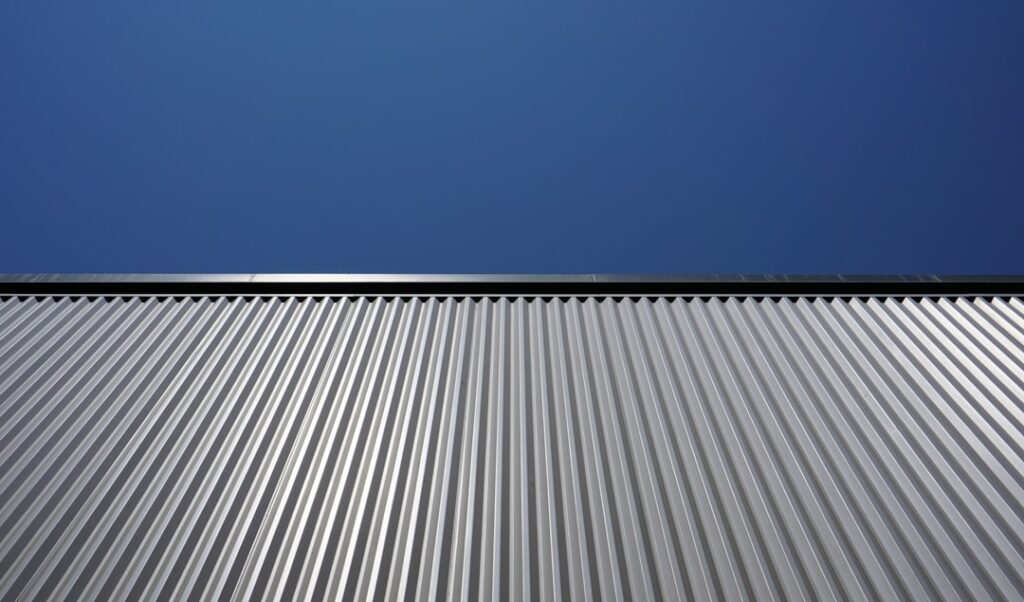
Corrugated polycarbonate is a single-layer wavy sheet, essentially the plastic version of a corrugated metal roof. It is cheaper, sheds water aggressively, and is ideal for a patio cover or carport where insulation does not matter and you just want a durable, light-transmitting roof. Multiwall runs thicker, from 6 mm up to 25 mm and beyond, while corrugated is typically around 0.8 to 1.2 mm of solid material formed into ridges.
Light Transmission and Heat Control
The whole point of polycarbonate is daylight, and the panels deliver a lot of it. Clear solid panels transmit up to 90 percent of visible light, close to glass. But raw daylight also means solar heat gain, so most quality panels come with a co-extruded UV-protective layer on the top face and are available in tints, opals, and heat-blocking colors.
Choose the finish to match the job:
- Clear for maximum brightness in a greenhouse or where you want a bright patio.
- Opal or white for diffused, glare-free light that spreads evenly and cuts hot spots.
- Bronze or solar-control tints to knock down heat and glare over a seating area.
That UV layer is not optional. Polycarbonate without UV protection yellows and turns brittle within a few years of sun exposure. Always install with the UV-coated side facing up, which the manufacturer marks on the protective film, or the panel fails early no matter how good it was.
Insulation and Strength
Multiwall panels punch above their weight on insulation. A 16 mm triple-wall panel can reach an R-value around 2.5, roughly comparable to a double-glazed window, which is why they work for conditioned sunrooms. Single-layer corrugated offers almost no insulation, close to R-0.2, so it is strictly for unheated covers.
On strength, polycarbonate is remarkable. It is roughly 200 times stronger than glass and about half the weight, and it flexes rather than shatters. A hailstone that would crack a skylight bounces off. That impact resistance, plus a service temperature range from well below freezing up to about 250°F, is why it survives on exposed patio roofs where other glazing fails. The tradeoff is that it scratches more easily than glass, so it needs gentle cleaning.
What Polycarbonate Roofing Costs
Pricing spans a wide range depending on type and thickness. Corrugated polycarbonate panels run roughly $1.50 to $4 per square foot for the material, which is why carports and patio covers are the most popular application. Multiwall panels cost more, generally $2.50 to $7 per square foot depending on wall count and thickness, with the thick triple-wall greenhouse panels at the top end.
Add framing, closures, screws, and flashing, and an installed DIY patio cover often lands around $6 to $12 per square foot in materials. Hire it out and figure roughly $12 to $25 per square foot installed. Compared with glass glazing or a solid insulated roof, polycarbonate is the budget-friendly way to get a bright, weatherproof cover, and the panels themselves can last 10 to 20 years when UV-protected.
Installation Details That Make or Break It
Most polycarbonate failures trace back to a handful of install errors, and they are all avoidable. The plastic expands and contracts a lot with temperature, more than metal or wood, so you have to build in room for movement. Never screw the panels down tight.
Follow these rules:
- Drill oversized screw holes, about 1/8 inch larger than the screw shank, so the panel can slide as it expands.
- Use screws with rubber-washered caps that seal the hole without crushing the panel, snugged down only until the washer just compresses.
- Fasten into the ridges of corrugated panels, never the valleys where water runs.
- For multiwall, run the channels vertically so condensation drains out the bottom, seal the top edge with solid tape, and cover the bottom edge with vented tape.
- Keep a minimum roof pitch, usually around 5 degrees or a 1-in-10 slope, so water and debris shed and do not pond.
Cut panels with a fine-tooth blade and leave the protective film on until the last minute so you do not scratch them during the build.
Where It Works and Where It Does Not
Polycarbonate roofing shines on patio and deck covers, carports, greenhouses, pergola tops, walkway canopies, pool enclosures, and lean-to additions where you want light and weather protection without the load or cost of glass. On a greenhouse in particular, multiwall is hard to beat for the combination of light, insulation, and hail resistance.
It is the wrong choice for a primary house roof, where you want opacity, high insulation, and the long life of shingles or metal. It is also not ideal directly over a hot seating area unless you pick a heat-blocking tint, because clear panels turn a patio into a solar oven at midday. Match the panel to the purpose, respect the expansion and UV rules during install, and polycarbonate roofing gives you years of bright, tough, low-maintenance shelter for a fraction of what glass would cost.
Framing and Support Spacing
Polycarbonate is light, but it still needs a proper frame to perform, and the support spacing changes with the panel type. Corrugated single-layer sheets are relatively floppy and want purlins spaced closer together, typically around 24 inches on center or less, so the sheet does not oil-can or flex under a snow load or a person leaning on it. Multiwall panels are stiffer along their ribs and can span farther, but you still follow the manufacturer’s rafter spacing chart for the thickness you buy.
Orientation matters with multiwall in particular. The internal channels must run down the slope, not across it, so any condensation that forms inside the panel drains out the low end instead of pooling and clouding the sheet. Support the panels on a frame that is straight and true, because a twisted rafter telegraphs right through the plastic and creates a wavy, stressed roof. Use foam or rubber closure strips shaped to the corrugation profile at the top and bottom edges so wind-driven rain, insects, and debris cannot get under the panels where they meet the frame.
Cleaning and Long-Term Care
Polycarbonate rewards gentle maintenance and punishes harsh treatment. Because the surface scratches more easily than glass, never use an abrasive pad, a scraper, or a gritty rag on it. Wash the panels with a soft cloth or sponge, plenty of water, and a mild dish soap, then rinse thoroughly. Skip ammonia-based glass cleaners and harsh solvents, which can craze or cloud the plastic over time and shorten its life.
Once or twice a year, hose off the dust, leaves, and pollen that dull the panels and block light, paying attention to the low edge and any spot where debris collects. Check the fastener washers while you are at it and re-snug any that have loosened as the panels expanded and contracted through the seasons. Kept clean and correctly installed, a quality UV-protected polycarbonate roof holds its clarity and strength for 10 to 20 years, and many manufacturers back the panels with a warranty against yellowing and hail damage that reflects that lifespan.
One more habit protects the panels through winter: keep heavy snow from building up on a low-slope run. Polycarbonate is strong, but a deep, wet snow load can exceed what a lightly framed patio cover was designed to carry, so clear it gently with a soft-bristle push broom or a plastic roof rake rather than a metal shovel that gouges the surface. If you live where snow piles up, plan a steeper pitch and closer support spacing from the start so the roof sheds it on its own. A little seasonal attention keeps a polycarbonate roof performing for its full service life.