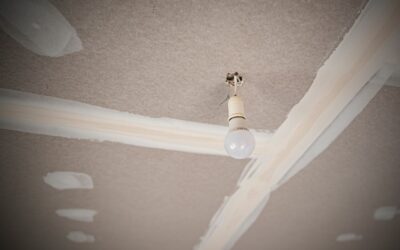
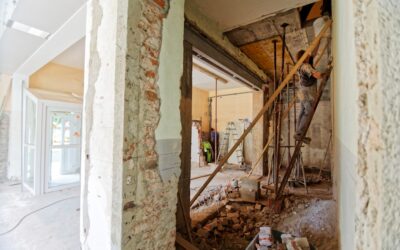
That bumpy, cottage-cheese texture overhead is one of the fastest ways to date a home, and the popcorn ceiling removal cost is usually the first thing homeowners want to know before scraping it away. The good news is that removal is one of the more affordable ways to modernize a house and instantly make rooms feel brighter and taller. The complicating factor is asbestos: popcorn ceilings installed before the 1980s may contain it, which changes the price and the process dramatically. This guide breaks down realistic numbers so you can budget accurately.
Average Cost to Remove a Popcorn Ceiling
For a standard, asbestos-free ceiling, professional removal typically costs $1 to $3 per square foot, including scraping, patching, and priming. Many contractors set a minimum, so small rooms may carry a base charge. Here is roughly what that translates to by room:
- Small bedroom (120 sq ft): $150 to $360
- Average bedroom (200 sq ft): $250 to $600
- Living room (330 sq ft): $400 to $1,000
- Whole 1,500 sq ft home: $1,500 to $4,500
- Whole 2,500 sq ft home: $2,500 to $7,500
If you want a full refinish, meaning scrape, skim-coat to a smooth finish, prime, and paint, expect the upper end or a bit beyond, often $2 to $5 per square foot.
The Asbestos Factor
This is the single biggest variable in popcorn ceiling removal cost. Textured ceilings applied before roughly the mid-1980s frequently contained asbestos, a hazardous material that becomes dangerous when disturbed and made airborne. Before scraping any older ceiling, you should test it.
- Asbestos test: A home test kit runs $10 to $50, while professional lab testing costs $50 to $100 per sample. Never skip this step on a pre-1990 home.
- Abatement (if positive): Certified asbestos removal is far more expensive, typically $3 to $10 per square foot or more, because it requires licensed professionals, containment, special disposal, and air monitoring. A whole-home abatement can run $10,000 to $25,000+.
If your ceiling tests positive, do not attempt DIY removal. The health risk and legal disposal requirements make professional abatement the only safe path.
DIY vs. Professional Removal
Scraping an asbestos-free popcorn ceiling is a classic DIY project, and doing it yourself dramatically cuts the cost, essentially to the price of materials and your time.
- DIY material cost: Roughly $50 to $200 for a room, covering plastic sheeting, a scraper, a pump sprayer, joint compound, sandpaper, primer, and paint.
- Time: Expect a full weekend for one average room, since scraping, patching, sanding, and painting each take time and cure between coats.
- Pro cost: The $1 to $3 per square foot figure buys speed, cleaner results, professional patching, and no cleanup on your part.
The DIY math is compelling for a confident homeowner, but the work is messy, physical, and overhead. Many people scrape one room, decide it is worth the money, and hire out the rest.
What Drives the Price Up or Down
Several factors move your final number within and beyond the typical range:
- Painted popcorn ceilings are harder to remove because paint seals the texture against water, so scraping is slower and messier, raising labor 20 to 50 percent.
- Ceiling height: Vaulted, cathedral, or two-story ceilings require scaffolding and add cost.
- Condition of the drywall underneath: Gouges from scraping need patching; extensive damage may require skim-coating or new drywall.
- Level of finish: A basic scrape-and-paint costs less than a fully smooth skim-coated, knockdown, or new-texture finish.
- Furniture and fixtures: Rooms that need extensive protection or fixture removal take more prep time.
- Region: Labor rates vary significantly by metro area.
The DIY Removal Process
For an asbestos-free ceiling, the technique is straightforward:
- Clear and protect the room. Remove furniture, cover floors and walls with plastic, and turn off power to ceiling fixtures.
- Spray with water. Lightly mist a section with warm water using a pump sprayer and let it soak for 10 to 15 minutes. Wet texture scrapes off far more easily and with less dust.
- Scrape gently. Use a wide putty knife or a purpose-made scraper with an attached bag, working at a shallow angle to avoid gouging the drywall.
- Patch and sand. Fill any gouges and seams with joint compound, let it dry, and sand smooth.
- Prime and paint. Apply a stain-blocking primer, then two coats of ceiling paint for a clean, bright finish.
Hidden Costs to Budget For
- Asbestos testing, which is essential on older homes.
- Drywall repair if scraping reveals damage or the ceiling was never finished smooth underneath.
- Repainting the whole ceiling, which is nearly always necessary after removal.
- Disposal fees for debris, especially in larger jobs.
- Wall touch-ups where the ceiling meets the wall and along crown molding.
Alternatives to Removal
Scraping is not the only path to a smooth ceiling. If your ceiling contains asbestos or you want to avoid the mess, consider covering it instead. Installing new drywall directly over the popcorn (a process pros call a “skim over” when done with panels) encapsulates it safely and gives a fresh surface, typically costing $2 to $4 per square foot. Decorative options like tongue-and-groove planking or ceiling tiles can also cover the texture while adding character, often for a similar or slightly higher price.
Is It Worth It?
For most homeowners, yes. Removing a popcorn ceiling is one of the highest-impact, relatively low-cost updates available. It modernizes a room instantly, reflects more light for a brighter feel, and removes a feature that turns off many buyers. On a whole-house basis it is a meaningful investment, but per room it is very approachable, and the visual payoff is immediate and dramatic.
How Long the Project Takes
Timeline is a real cost too, especially since a ceiling job puts a room out of commission. A professional crew can typically scrape, patch, prime, and paint an average bedroom in a single day, and a whole small house in several days depending on crew size and complexity. A DIY homeowner should plan on a full weekend per average room, since the wet-scrape, patch, dry, sand, prime, and paint sequence involves several waiting periods for compound and primer to cure. Vaulted ceilings, painted-over texture, and rooms needing significant drywall repair all add time. Factor in a day or two of dust cleanup afterward regardless of who does the work, because fine texture particles travel throughout the space and settle on every surface unless the room was thoroughly sealed off.
Reducing Cost Without Cutting Corners
There are legitimate ways to trim the price without compromising the result. Doing the prep yourself, clearing furniture, laying plastic, and removing fixtures, saves a contractor’s time and lowers the labor portion of the bill. Tackling the scraping yourself and hiring out only the finish work is another middle path that captures most of the DIY savings while getting a professional-quality skim coat and paint. Bundling multiple rooms into one project usually earns a better per-square-foot rate than one-off jobs because the crew sets up and contains the space once. And getting three written quotes almost always reveals a meaningful price spread for identical work. What you should never cut is asbestos testing on an older home, because the health and legal stakes make that small expense non-negotiable.
The bottom line on popcorn ceiling removal cost: budget about $1 to $3 per square foot for a straightforward professional job on an asbestos-free ceiling, far less if you tackle it yourself, and considerably more if testing reveals asbestos and abatement is required. Always test older ceilings first, factor in patching and repainting, and decide whether a weekend of messy DIY work or the convenience of a pro fits your situation. Either way, ditching the popcorn is one of the surest ways to make a dated room feel current again.