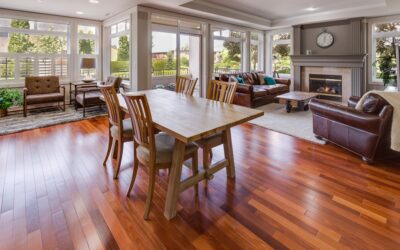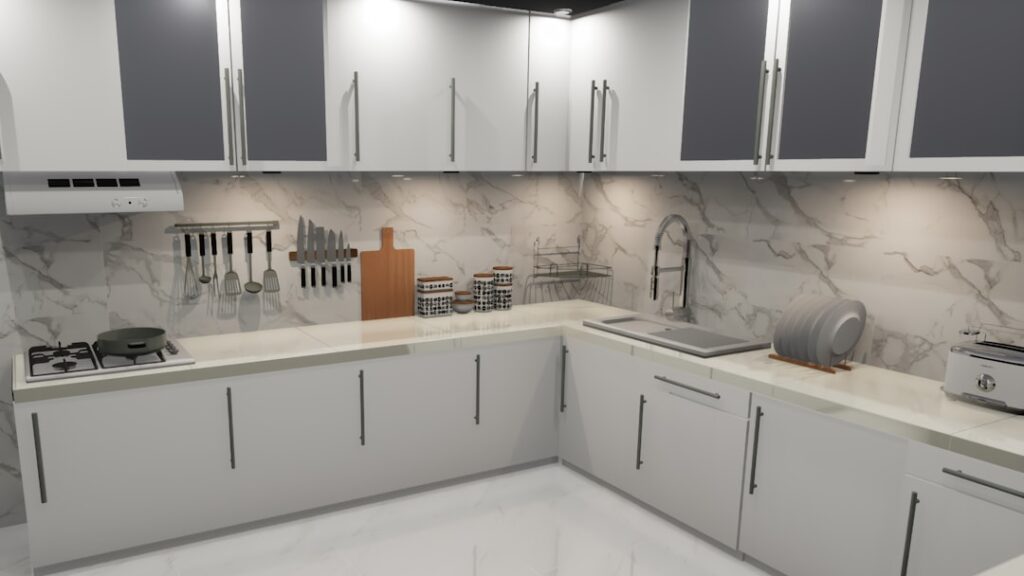
Walk into any model home built since 2022 and the kitchen floor tells you exactly where the industry is heading. Popular kitchen flooring choices have shifted hard toward waterproof, low-maintenance surfaces that still look high-end, with luxury vinyl plank, large-format porcelain tile, and engineered hardwood leading the way. Each carries trade-offs in price, comfort underfoot, and resale appeal that homeowners should weigh before signing a contract.
- Luxury Vinyl Plank Dominates the Market
- Porcelain Tile for the Long Haul
- Engineered Hardwood Makes a Comeback
- Laminate for Tight Budgets
- Comfort, Acoustics, and Underlayment
- Subfloor Prep Is Non-Negotiable
- Resale Value and Buyer Expectations
- Edge Cases Worth Considering
- Installation Timeline Realities
- Picking the Right Floor for Your Kitchen
Luxury Vinyl Plank Dominates the Market
LVP took over kitchens for a reason. Modern wear layers run 12 mil to 22 mil, with 20 mil and above rated for heavy residential or light commercial use. COREtec, Shaw Floorte, and Mohawk RevWood Plus all sell kitchen-friendly lines between $3 and $6 per square foot, with installation by a pro adding $2 to $4. The click-lock floating system means a 200-sq-ft kitchen can be done in a weekend, and the rigid SPC core resists indentation from refrigerators and stools.
Waterproof construction is the headline feature. A dropped pot of pasta water sits on the surface until you mop it up, no swelling, no cupping. That alone disqualifies solid hardwood for many buyers who do real cooking.
While you’re upgrading the kitchen floor, it might be a good time to rethink the seating too. Swapping out old bar stools is one of those small changes that makes the whole room feel more pulled together.
We may earn a commission when you purchase through our links.
Porcelain Tile for the Long Haul
If you plan to stay 15-plus years and want a surface that genuinely lasts, porcelain tile still wins. Look for a PEI rating of 4 or 5 and a DCOF wet slip rating of 0.42 or higher for safety near sinks. Daltile, MSI, and Marazzi offer 12-by-24 and 24-by-48 wood-look planks in matte finishes that fool most guests until they touch them.
Expect $4 to $9 per square foot for the tile and another $7 to $12 for skilled installation including thinset, leveling clips, and grout. Add radiant heat underneath for $8 to $14 per square foot and you solve the only real complaint, which is cold feet in winter.
Engineered Hardwood Makes a Comeback
Solid 3/4-inch oak struggles in kitchens, but engineered hardwood with a 4 mm wear layer handles humidity swings far better. Mannington, Bruce, and Anderson Tuftex sell prefinished engineered planks in white oak and hickory at $5 to $11 per square foot. Brands rate the Janka hardness of their face veneer between 1,290 (white oak) and 1,820 (hickory), so kitchens with kids or large dogs should lean toward the harder species.
Finish quality matters more than thickness. An aluminum-oxide UV-cured topcoat with seven or more layers shrugs off scuffs, but a thin oil finish needs touch-ups every two or three years near the sink.
Laminate for Tight Budgets
Pergo Outlast+ and Mohawk RevWood deliver convincing wood looks with AC4-rated wear surfaces and water-resistant joints, sitting at $2.50 to $4 per square foot at Home Depot and Lowe’s. The catch is that laminate is water-resistant, not waterproof. A burst dishwasher line will still ruin a laminate floor, while it would barely faze SPC vinyl.
Comfort, Acoustics, and Underlayment
Hard surfaces echo. A 2 mm IXPE attached pad on LVP cuts impact noise by 18 to 22 dB and softens the feel underfoot. For tile, an uncoupling membrane like Schluter Ditra prevents grout cracks and adds a touch of warmth. Skipping these layers is the most common regret homeowners report a year after install.
Subfloor Prep Is Non-Negotiable
Every flooring failure I see in kitchens traces back to the subfloor. Measure flatness to 3/16 inch over a 10-foot span before installing rigid-core LVP, and 1/8 inch over 10 feet for click-lock laminate. For tile, run a moisture test using ASTM F2170 in-situ probes on concrete slabs, aiming for 75 percent relative humidity or lower. Self-leveling compound at $1.50 to $3 per square foot is cheap insurance against future failures.
Resale Value and Buyer Expectations
Real estate data from 2024 and 2025 shows hardwood and high-end LVP returning roughly 70 to 85 percent of their installed cost at sale, with porcelain tile slightly behind because tastes shift faster on tile patterns. Carpet in a kitchen actively hurts resale, period. Sheet vinyl reads as builder-grade unless it is a premium product like Karndean LooseLay.
Edge Cases Worth Considering
Pet-heavy households should weight the wear layer mil thickness above all other specs. A 20 mil or 22 mil topcoat survives golden retriever claws far better than the 6 to 12 mil layers found on entry-level LVP. Households with kids who do homework on the floor benefit from softer surfaces like cork or cushioned vinyl, both of which forgive dropped tablets and Lego towers. Empty nesters in vacation homes can tolerate higher-maintenance natural stone or hardwood because traffic is intermittent and seasonal humidity gets managed by HVAC during stays.
Installation Timeline Realities
Most kitchen floor replacements take three to seven business days from demo to fully cured surface. Demolition runs half a day. Subfloor flattening and moisture testing eats another day. LVP install moves quickly at 200 to 400 square feet per crew per day. Porcelain tile install on a 200-square-foot kitchen takes two to three days for setting plus a day for grouting after thinset cures. Plan to use a temporary kitchenette in another room during the process because dust and fumes make food prep impractical.
Picking the Right Floor for Your Kitchen
Match the floor to your life, not the showroom. Households that cook nightly, run a dishwasher daily, and have two dogs should default to 20 mil LVP or porcelain. Empty-nesters who want warmth and luxury can stretch to engineered hardwood and accept the occasional dent as character. Budget remodels under $5 per square foot installed lean laminate, but spend the extra dollar on a moisture-resistant core like Pergo TimberCraft Wetprotect rather than basic AC3 product.
Order a sample of every option you are considering, lay it down for a week, and walk on it barefoot in morning light and evening light. That single step prevents more buyer’s remorse than any spec sheet ever will.
Prefer to explore on your own?
See how new flooring looks in your actual room in seconds — free, no signup.
Try the free Floor Studio →