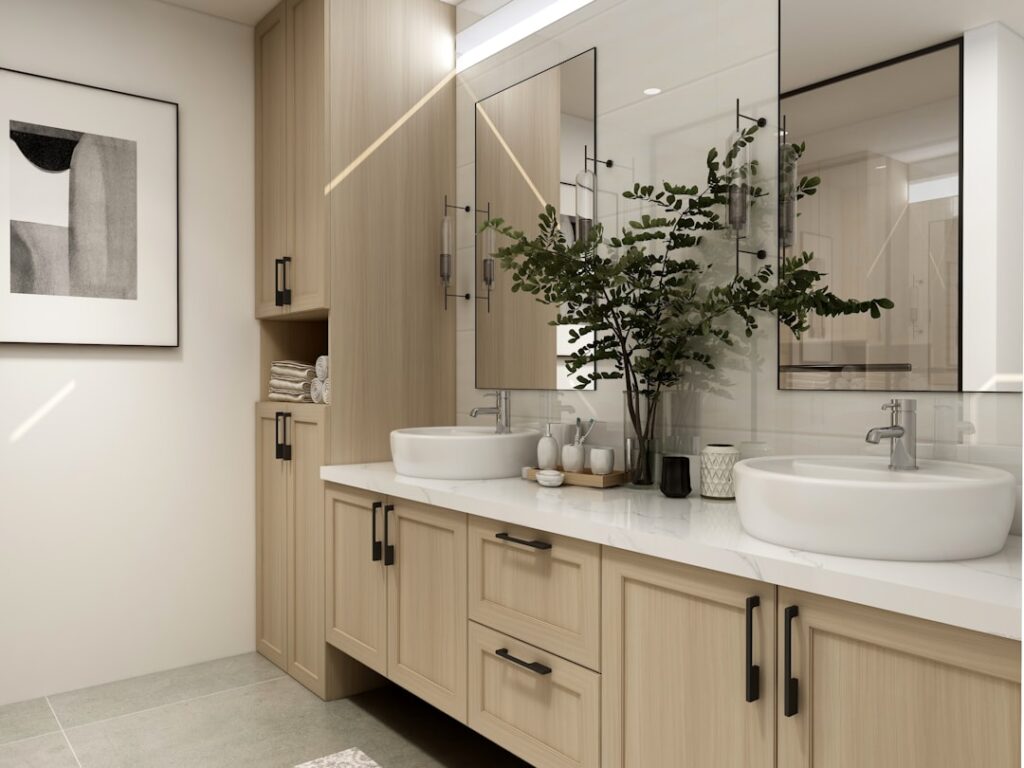
Walk into a modern bathroom showroom and you will notice something: the slabs that look like marble but shrug off a dropped curling iron are almost never marble. A porcelain vanity top delivers that high-end stone look while resisting the scratches, heat, and stains that quickly wreck softer materials. Fired at temperatures above 2,200°F, porcelain is one of the hardest surfaces you can put in a bathroom, and it has quietly become the go-to upgrade for homeowners who want durability without babysitting their countertop.
If you are weighing your options for a remodel or a new build, this guide walks through what porcelain actually is, what it costs, where it beats quartz and granite, and the practical details that installers wish more homeowners understood before they signed off on a slab.
What Makes a Porcelain Vanity Top Different
Porcelain is a dense, refined clay body fired at extreme heat until it vitrifies into a near-glass state. That process gives it a water absorption rate below 0.5 percent, which is why it barely soaks up spills. Compare that to natural marble, which is porous and etches when it meets toothpaste, mouthwash, or acidic cleaners.
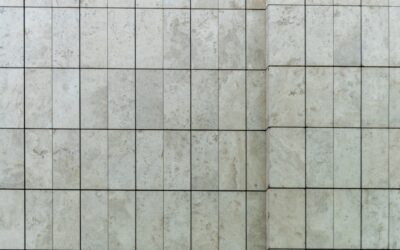
Most bathroom slabs are technically porcelain sintered stone, sold in large-format sheets that measure roughly 126 by 63 inches. Fabricators cut them down to vanity dimensions, typically 25, 37, 49, or 61 inches wide to match standard cabinet runs. The pattern you see is printed and then protected under a glaze, so today’s designs convincingly mimic Calacatta marble, concrete, soapstone, and even weathered wood.
Porcelain Vanity Top Cost Breakdown
Budget is usually the first question, so let’s get concrete. Installed, a porcelain vanity top generally runs $55 to $120 per square foot, with premium veined patterns from brands like Neolith, Dekton, and Laminam pushing toward $150. A standard 37-inch single-sink vanity covers about 6 to 7 square feet, which puts a typical finished job in the $350 to $850 range for the top alone.
- Material only: $30 to $70 per square foot for the slab
- Fabrication and edging: $15 to $40 per square foot
- Undermount sink cutout: $100 to $250 as a flat fee
- Faucet and soap dispenser holes: $30 to $60 each
Prefabricated porcelain vanity tops with an integrated backsplash cost less because they skip custom fabrication. Big-box stores sell them in common sizes for $150 to $500. The tradeoff is limited color choices and thinner edges, but for a guest bath or a rental, the value is hard to beat.
Pros and Cons You Should Weigh
No surface is perfect, and porcelain has a personality. On the plus side, it is nearly impervious to scratches from a razor or a dropped bottle, it will not scorch when a flat iron rests on it, and its low porosity means it never needs sealing. UV stability is another underrated benefit: porcelain will not yellow or fade next to a sunny window, which is a real problem with some resin-based quartz.
The drawbacks are mostly about fabrication and repair. Because the decorative pattern lives on the surface layer, a deep chip on an exposed edge can reveal the lighter clay body underneath. Porcelain is also rigid rather than flexible, so it can crack if the vanity cabinet is not perfectly level or if the slab flexes during transport. And while a small chip can be filled with color-matched epoxy, a large crack usually means replacement rather than repair.
Porcelain vs. Quartz and Granite for Vanities
Homeowners almost always cross-shop these three, so here is how a porcelain vanity top stacks up against the usual rivals.
Versus Quartz
Quartz feels slightly warmer and offers deeper, more consistent color because pigment runs through the whole slab. But quartz can discolor under prolonged heat and direct sun, and it costs a similar $50 to $110 per square foot installed. Porcelain wins on heat and UV resistance; quartz wins on edge durability and color depth.
Versus Granite
Granite brings genuine natural stone character and holds up well to heat, but it needs sealing every one to two years and its heavier weight demands sturdier cabinets. Porcelain is lighter at around 6 to 12 pounds per square foot in thinner sheets, needs no sealing, and offers cleaner, more uniform patterns. Granite still wins for buyers who want authentic, one-of-a-kind stone.
Thickness and Edge Options
Porcelain slabs come in three common thicknesses, and the choice shapes both the look and the price. Thin 6-millimeter panels are lightweight and popular for wall cladding, but for a vanity you generally want more heft. The 12-millimeter (about half-inch) slab is the sweet spot for bathrooms, balancing strength and cost. For a bold, substantial edge, fabricators can mitre two pieces together to create a dramatic 20- or 40-millimeter profile that looks like a solid stone block.
Edge profiles run from a simple eased or pencil-round edge, which is the most affordable and least likely to chip, up to mitered waterfall edges that cascade down the side of the cabinet. Skip fussy ogee or bullnose profiles on porcelain; the harder the material, the more a complex edge raises fabrication cost and chipping risk.
How to Choose the Right Porcelain Vanity Top
Start with the sink. An undermount sink pairs beautifully with porcelain and makes wiping crumbs and hair straight into the basin effortless, but it requires a polished cutout edge that adds to the fabrication bill. A vessel sink sits on top and lets you use a simpler flat top with a single drilled faucet hole.
Next, look at the pattern in person under bathroom lighting, not a showroom’s bright halogens. Bold marble veining reads dramatic in a large primary bath but can overwhelm a compact powder room, where a subtle concrete or soft-white matte finish often looks more intentional. Ask the fabricator to show you the actual slab your top will be cut from, since printed patterns vary sheet to sheet.
Finally, confirm the finish. A polished porcelain surface reflects light and reads luxurious but shows water spots and soap film faster. A honed or matte finish hides fingerprints and everyday grime, which many families prefer for a bathroom that sees heavy morning traffic.
Installation and Care Basics
Professional installation is strongly recommended. Cutting and drilling porcelain requires diamond blades and steady water cooling, and the large sheets are prone to cracking if handled by inexperienced hands. Expect the fabricator to template your cabinet, cut the slab in the shop, and set it with a bead of silicone and a level base. A typical single-vanity install takes two to three hours once the top arrives.
Daily care could not be easier. Wipe the surface with warm water and a pH-neutral cleaner or a splash of dish soap. Because the material does not absorb liquids, you can leave a puddle of blue toothpaste or hair dye without a permanent stain, though wiping sooner keeps the surface looking crisp. Avoid dragging heavy ceramic accessories across the top, and use a cutting-board-style pad if you ever set down anything with a rough underside.
The Bottom Line on a Porcelain Vanity Top
For homeowners who want the drama of marble without the maintenance headaches, a porcelain vanity top is one of the smartest bathroom investments available today. It resists heat, scratches, stains, and fading, never needs sealing, and comes in convincing stone-look patterns at a price that competes head-to-head with quartz and granite. Match the thickness and edge to your budget, choose a finish that suits how hard your bathroom gets used, and hire a fabricator who works with large-format porcelain regularly. Do that, and your vanity will still look showroom-fresh a decade after the remodel photos are taken.
Prefer to explore on your own?
See how new flooring looks in your actual room in seconds — free, no signup.
Try the free Floor Studio →