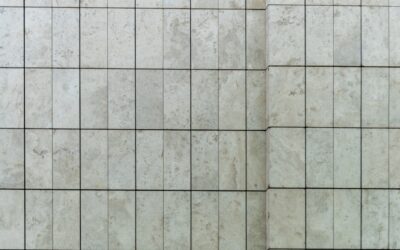
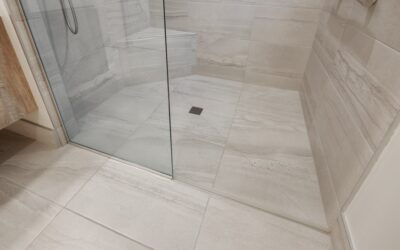
Trends shove gray to the front of every showroom, but the highest-resale tile color in nearly every regional market quietly remains warm beige — and there is a good reason for that. Beige floor tile hides dirt better than white or gray, pairs with white, oak, walnut, and painted cabinetry, and never reads as dated to a buyer. Designers love to call it boring; homeowners who actually live with the floor for 15 years know better. The trick is choosing the right shade, the right size, and the right material so the result reads timeless rather than builder-grade.
Part of our Tile & Grout guide — explore the full guide →
Why Beige Outlasts Every Trend
Beige sits in the warm neutral zone between cream and tan, and that zone reflects the same warm light that human skin reflects. Walk into a beige-tiled bathroom and your face looks healthy in the mirror — a small thing that explains why hotels and high-end designers keep coming back to it. Cool gray floors do the opposite, washing out skin tones and making spaces feel sterile.
Beige also hides dust, dog hair, and footprint smudges far better than light grays or whites. That practical advantage matters every single day, while the color trend that drove a buyer to gray five years ago might already feel dated.
Ceramic vs Porcelain Beige Tile
Ceramic beige tile costs $1.50 to $4 per square foot at retail. It works well in low-traffic bathrooms and powder rooms but chips more easily in kitchens and entryways. Porcelain — denser, harder, and rated for higher PEI traffic class — runs $3 to $8 per square foot for standard sizes. For floors that see daily wear, always choose porcelain.
Modern porcelain beige tile in 12×24 inch or 24×48 inch formats reads contemporary even in traditional homes. The longer formats reduce visible grout lines and make small bathrooms look bigger.
Natural Stone Options
Travertine and limestone deliver authentic beige tones that ceramic can only mimic. Travertine in honed finish runs $4 to $12 per square foot for tile and adds genuine character. Limestone, especially Jerusalem Gold or Crema Marfil, lands in the $6 to $15 per square foot range and reads more refined.
Both stones are softer and more porous than porcelain. Plan on sealing every 12 to 24 months, and avoid acidic cleaners (vinegar, lemon, citrus-based products) that etch the surface. Travertine in a kitchen near a tomato-prone cook is a recipe for permanent stains.
Common Beige Tile Shades and Where Each Works
- Cream beige (very light, slight yellow): Best for small bathrooms and powder rooms where brightness matters
- Sand beige (mid-tone, neutral): Universal performer in kitchens, entries, and main bathrooms
- Taupe (gray-leaning beige): Bridges cool and warm color schemes — works with both white and gray cabinetry
- Caramel beige (warmer, slight orange): Pairs with rich wood tones and traditional kitchens
- Greige (gray-beige hybrid): Modern, transitional, and currently the fastest-growing segment
Tile Format and Layout
Large-format beige tile (24×24 inches or larger) creates a clean, modern look with minimal grout. Pair with light gray or sand-colored grout — never white grout on a beige floor, which highlights every line and dirties fast. Smaller 12×12 inch tiles read more traditional and tile installers can install them faster (though shower floors with smaller mosaic tile cost more in labor).
Plank-format porcelain (6×36 inch or 8×48 inch tiles) imitates wood and works particularly well in beige tones. Brands like Daltile Emerson Wood, MSI Country River, and Marazzi Treverkmade run $4 to $7 per square foot and look strikingly like real white oak.
Grout Selection Matters as Much as Tile Choice
Pick a grout color one shade darker than your tile, never lighter. Light grout on beige tile looks dirty within a year as foot traffic embeds soil into the porous joints. Mapei Keracolor U Linen, Custom Building Products Bone, or Laticrete Sand all complement beige tile without competing with it.
Use epoxy grout in showers and high-moisture areas. Epoxy resists staining, never needs sealing, and lasts 30+ years. Cost is roughly double standard cementitious grout but the longevity pays back quickly.
Where Beige Floor Tile Excels
Bathrooms and entryways are the natural homes for beige tile. The warm tone makes barefoot floors feel less cold, and the dirt-hiding properties matter most where shoes track in dust. Kitchens are also strong applications, especially in homes with white or wood cabinets where a contrasting cool gray would feel jarring.
Beige works in living rooms in Mediterranean and traditional homes, often paired with area rugs to soften the hard surface. Open-plan spaces benefit from beige floor tile because the neutral tone unifies areas that might otherwise feel disjointed.
Common Pairings and Color Schemes
White cabinets and beige tile is a classic combination — keep both warm-toned (avoid icy white cabinets, which clash with warm beige floors). Walnut or cherry cabinetry pairs beautifully with caramel beige floors. Painted gray cabinets work with greige tile but rarely with warmer beige tones.
Wall paint should pull from the same warm neutral family. Sherwin-Williams Accessible Beige, Benjamin Moore Manchester Tan, and Behr Wheat Bread are all proven companions for beige tile floors. Avoid cool grays on the walls if the floor is warm beige — the mismatch reads off.
Avoiding the Builder-Grade Look
Cheap 12×12 inch glossy beige tile from the early 2000s is exactly the look most people want to avoid. Sidestep it by choosing matte or satin finishes instead of glossy, larger formats (18×18 inches or bigger), and rectified edges that allow tighter grout joints. Spending an extra $2 per square foot on tile selection separates a forgettable floor from one that reads custom.
Confirm your tile sample in the actual lighting of the room before ordering. Beige reads warmer in incandescent and LED 2700K lighting and cooler in 4000K kitchen lighting. A floor that looks perfect in the showroom can shift noticeably in your home.
Prefer to explore on your own?
See how new flooring looks in your actual room in seconds — free, no signup.
Try the free Floor Studio →