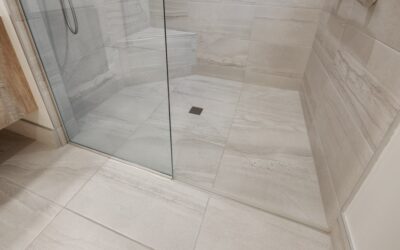
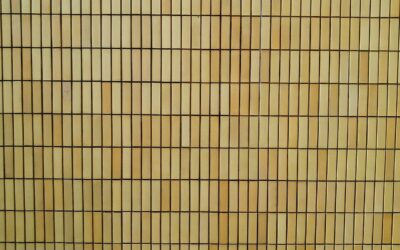
Beige never went out of style because it never tried to be trendy in the first place. Beige porcelain tile is the quiet workhorse of residential flooring — warm enough to feel welcoming, neutral enough to survive a dozen decor changes, and tough enough to shrug off decades of foot traffic. If you want a floor that looks intentional today and still looks right when you sell the house in fifteen years, beige porcelain belongs on your shortlist.
Part of our Tile & Grout guide — explore the full guide →
This guide covers the shades that fall under the beige umbrella, the finishes and sizes on the market, honest cost ranges, and exactly where beige porcelain shines versus where you might want something else.
Why Porcelain Instead of Ceramic or Stone
Porcelain is a denser, harder-fired cousin of ordinary ceramic. It is pressed from refined clay and fired above 2,200°F, which yields a tile with a water absorption rate under 0.5 percent. That density is why porcelain handles wet rooms, freeze-thaw patios, and heavy furniture without cracking or staining. Compared with natural travertine or limestone in the same beige family, porcelain never needs sealing, resists acids from spilled wine or citrus, and costs a fraction of the price.
The trade-off is that porcelain is genuinely hard to cut — you need a wet saw with a diamond blade for clean edges. But once it is down, it is arguably the most durable flooring surface you can buy for a home.
The Many Shades of Beige
Beige is not one color. Walk a tile showroom and you will see the label cover a wide range, and picking the right undertone is what makes the floor feel harmonious with your walls and cabinets.
- Warm sand and tan: Yellow-leaning beiges that pair beautifully with wood cabinetry and cream walls in traditional homes.
- Greige: A beige-gray blend that reads more contemporary and works with cool white trim and matte black fixtures.
- Cream and ivory: The lightest end, which brightens small rooms but shows dirt sooner.
- Mushroom and taupe: Deeper, dustier beiges that hide traffic and feel grounded in larger open-plan spaces.
Always view samples in your own light. A beige that looks warm under showroom halogens can turn pink or gray under your north-facing windows. Tape a few candidates to the floor and check them at morning, noon, and night before committing.
Finishes and Surface Textures
The finish changes both the look and the practicality of the floor. Polished beige porcelain has a glossy sheen that amplifies light and reads luxurious, but it grows slick when wet and shows every smudge. Matte and honed finishes are the everyday choice for floors — they hide footprints and provide slip resistance. Textured or structured finishes, often stamped to mimic stone, add grip for bathrooms, entryways, and outdoor use where a slip rating matters.
Many beige porcelains today are wood-look or stone-look, using high-definition inkjet printing to reproduce travertine veining or oak graining across a large-format tile. These give you the warmth of natural materials with none of the sealing and refinishing.
Common Sizes and Layouts
Beige porcelain comes in nearly every format, and size drives the mood of the room. Large-format tiles minimize grout lines for a seamless, modern look, while smaller tiles and planks read more traditional.
- 12×12 and 12×24 inches — the everyday standards for bathrooms and kitchens.
- 24×24 and 24×48 inches — large-format tiles that make open floors look expansive.
- 6×24 and 8×48 inch planks — wood-look formats laid in offset or herringbone patterns.
- Mosaic sheets — for shower floors and decorative accent bands.
Pair your tile with a grout color one or two shades off the tile. A matching beige grout blurs the seams for a continuous look; a slightly darker grout defines each tile and hides staining in high-traffic zones.
What Beige Porcelain Tile Costs
Price tracks quality, size, and whether the tile is a printed budget line or a rectified premium product. As a working guide:
- Builder-grade beige porcelain: $1.50 to $3.00 per square foot.
- Mid-range wood-look and stone-look: $3.50 to $7.00 per square foot.
- Large-format and premium rectified tile: $7.00 to $12.00 per square foot.
- Professional installation: $8 to $15 per square foot depending on layout complexity and substrate prep.
For a 200-square-foot kitchen, budget roughly $300 to $1,400 for materials plus $1,600 to $3,000 for professional installation. Buy 10 to 15 percent extra for cuts, breakage, and future repairs, and keep a full box in storage for down the road.
Best Rooms for Beige Porcelain
Because porcelain is waterproof and warm-toned, beige versions are ideal almost anywhere. Kitchens benefit from the stain resistance and easy cleanup. Bathrooms and mudrooms take advantage of the waterproofing. Open-plan living and dining spaces gain a neutral canvas that lets furniture and rugs do the talking. And because rated porcelain survives freeze-thaw cycles, the same beige tile can flow onto a covered patio for a seamless indoor-outdoor look.
The one honest caution is comfort underfoot. Porcelain is hard and cold in winter. In bedrooms or bathrooms where bare feet spend time, pair it with an in-floor heating mat or plush rugs to soften the experience.
Cleaning and Long-Term Care
Before you settle on beige, it helps to understand how it will pair with the fixed elements you are not replacing. Beige tile with a warm, yellow undertone sits beautifully alongside oak cabinetry, cream walls, and bronze or brass hardware for a classic, cohesive look. A cooler greige beige coordinates better with white or grey cabinets, stainless appliances, and chrome or black fixtures in a more contemporary kitchen. The mistake to avoid is combining a warm beige floor with cool grey cabinets, or vice versa, which can leave the room feeling slightly off without an obvious reason. Bring a cabinet door sample or a photo when you shop, and hold the tile against it in natural light so the undertones either harmonize or intentionally contrast rather than clash.
Maintenance is where porcelain earns its reputation. The glazed surface never needs sealing, and routine care is nothing more than sweeping and damp-mopping with a neutral pH cleaner. Avoid oil-based soaps that leave a film. The only part that needs attention over time is the grout — seal it after installation and reseal every couple of years, or choose an epoxy grout up front to eliminate that chore. Done right, a beige porcelain tile floor will look nearly identical in year twenty to the day it was installed, which is exactly why it remains one of the safest flooring investments a homeowner can make.
Prefer to explore on your own?
See how new flooring looks in your actual room in seconds — free, no signup.
Try the free Floor Studio →