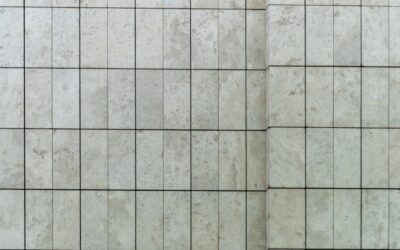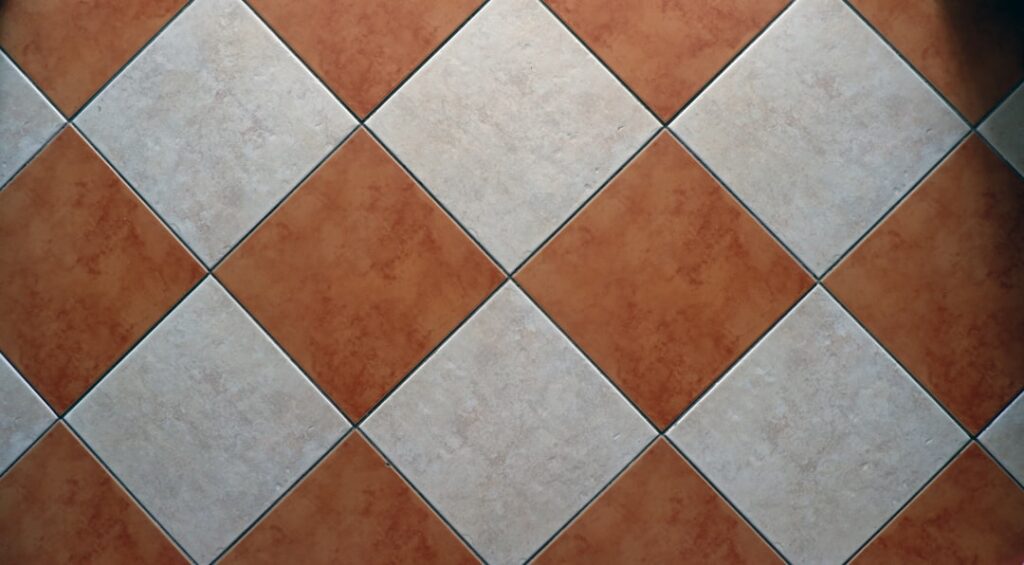
Beige grout sits in the sweet spot between bright white and moody charcoal, which is exactly why so many homeowners reach for it. It reads as warm and neutral, it hides everyday grime far better than white, and it pairs with an enormous range of tile colors. If you are tiling a kitchen backsplash, a bathroom floor, or a shower surround, beige grout is one of the most forgiving choices you can make.
Part of our Tile & Grout guide — explore the full guide →
That said, “beige” covers a wide territory. Some beige grouts lean almost cream, others drift toward tan, taupe, or a soft grayish greige. The shade you pick changes the entire mood of a tiled wall, so it pays to understand your options before you commit a couple hundred dollars of materials and a weekend of labor.
Why Homeowners Choose Beige Grout
The biggest practical advantage is dirt tolerance. White grout looks crisp on day one, but in a busy kitchen or entry it can show coffee splatter, mud, and soap film within months. A mid-tone beige masks the same staining for years, which means fewer scrubbing sessions and a floor that looks clean even when it is overdue for a wipe-down.
There is an aesthetic payoff too. Beige grout creates a softer, more cohesive look than a high-contrast line. With travertine, sandstone, and warm-toned ceramic, a matching beige joint can make a floor look almost seamless. With white subway tile, a beige line adds subtle definition without the stark grid that bright white or black produces.
Beige also ages gracefully. Trends in tile shift, but a warm neutral joint rarely looks dated, which matters if you plan to sell within a few years. Real estate photos favor warm, clean-looking surfaces, and beige photographs well under both daylight and warm interior lighting.
Popular Beige Grout Shades
Manufacturers use their own color names, so always test against your actual tile rather than trusting a screen. Broadly, the beige family breaks down like this:
- Cream or almond – the lightest beige, nearly white with a warm undertone. Good for keeping a light, airy feel while avoiding stark white.
- Sandy or natural beige – a true mid-beige that hides dirt well and flatters tan, brown, and natural-stone tile.
- Tan or wheat – a touch deeper and warmer, excellent with wood-look porcelain and terracotta.
- Greige – beige with a gray base. It bridges warm and cool palettes and works with both gray and beige tile.
- Taupe or mushroom – the darkest end, leaning brown-gray. It anchors light tile and reads as modern and grounded.
Matching Beige Grout to Your Tile
Decide first whether you want contrast or blend. A grout that closely matches the tile minimizes the grid and makes a space feel larger and calmer. A grout a shade or two different from the tile highlights each piece and emphasizes pattern, like a herringbone or a hexagon mosaic.
Buy a small sample of two or three candidate colors and mix tiny test batches, or use the manufacturer color sticks laid directly against your tile. Cured grout almost always dries lighter than it looks when wet, so judge color only after the sample has dried for 24 hours. Lighting matters as well: check the sample under your room’s actual fixtures and again in daylight, because a beige that looks perfect under warm bulbs can turn slightly pink or yellow in sun.
Where Beige Grout Works Best
Beige earns its keep in high-traffic and high-mess zones. On kitchen and entryway floors it disguises tracked-in dirt. In bathrooms it hides the faint discoloration that hard water and soap leave behind. On a backsplash it softens the look behind a stove where grease and splatter would quickly highlight white lines.
It is also a smart pick for natural stone. Marble, travertine, and limestone all carry warm beige and tan veining, and a coordinating beige joint lets the stone read as one continuous surface. For glossy white subway tile, beige offers a gentler alternative to gray if you want warmth rather than an industrial edge.
Sealing and Maintenance
Color longevity comes down to sealing. Most beige grout is cement-based and porous, so it absorbs liquids and stains unless protected. After the grout has fully cured (typically 48 to 72 hours, but follow the bag), apply a quality penetrating sealer and reapply every one to two years in wet or busy areas.
- Wipe spills promptly, especially red wine, coffee, oil, and colored cleaners that can tint light grout.
- Clean with a pH-neutral cleaner; avoid harsh acids or bleach that can erode cement grout and lighten the color unevenly.
- Use a soft brush, not metal, to lift grime from the joints without scratching.
- Test any new cleaner on an inconspicuous spot first.
If you want to skip sealing entirely, consider an epoxy or a pre-sealed urethane grout. These cost more and are harder to install, but they resist stains and water without a separate sealer, which makes them appealing for showers and heavy-use kitchens.
Cost and Installation Notes
Cement-based beige grout is inexpensive, often in the range of $15 to $30 for a bag that covers a typical bathroom floor, with prices varying by brand and region. Epoxy grout runs considerably higher, frequently two to four times the cost of cement, and demands faster, more careful work because it sets quickly.
Whether you hire out or DIY, consistency is everything with a neutral like beige. Mix every batch to the same water ratio, because too much water lightens and weakens the joint and can produce blotchy color across the installation. Tool the joints evenly, sponge with clean water, and buff off the haze before it hardens. If you are tackling a large floor or a full shower for the first time, a tile professional is worth the investment to avoid uneven color and future cracking.
Is Beige Grout Right for You?
If you want a warm, low-maintenance, broadly compatible joint that hides everyday dirt and rarely goes out of style, beige grout is hard to beat. Pick a shade that suits your tile and the mood you want, test it dried under real lighting, seal it well, and clean it gently. Do that and you will get a floor or backsplash that still looks intentional and clean years after installation, with a fraction of the upkeep that bright white demands.