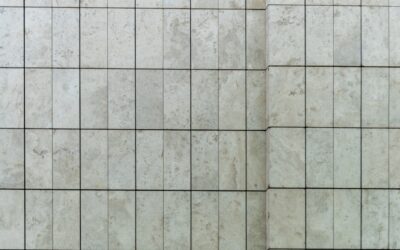
Few surfaces do more quiet work in a bathroom than beige shower tile. Warm, forgiving, and endlessly adaptable, a well-chosen beige shower tile reads as clean without feeling cold, and it flatters skin tones under both daylight and vanity bulbs. That combination is exactly why beige has outlasted the gray wave that dominated the 2010s and why designers keep specifying it for spa-style remodels that need to look current a decade from now.
Choosing the right shade, size, and finish takes more thought than grabbing the first sample that looks nice in the store. Lighting, grout color, tile format, and slip resistance all shift the final result. This guide walks through the decisions that matter, with real dimensions and price ranges, so you can plan a shower that holds up to daily use and resale scrutiny alike.
Why Beige Still Wins in the Bathroom
Beige is a chameleon. Depending on its undertone, it can lean pink, yellow, gray, or green, which means it pairs with almost any fixture metal, from polished chrome to matte black to warm brass. That flexibility protects your investment: you can change out a vanity, mirror, or paint color five years from now without the tile fighting the new palette.
It also hides the two things showers do worst, which is show water spots and soap film. Mid-tone beige camouflages the mineral haze that plagues dark tile and the grime that shows on stark white. For a surface you clean once a week rather than every day, that forgiveness is worth real money in saved effort.
Popular Shades and Undertones
Not all beige behaves the same. Before you commit, tape three or four samples to the wall and study them at 8 a.m., noon, and under artificial light at night. Undertones you never noticed in the showroom jump out once they are on the wall.
- Warm sand: a golden, honeyed beige that feels cozy and works beautifully with brass and wood-look accents.
- Greige: a gray-beige hybrid that bridges cool and warm palettes, ideal if you already own gray fixtures or flooring.
- Mushroom and taupe: deeper, earthier tones that add drama on a feature wall without going as dark as charcoal.
- Cream and almond: the lightest beiges, which brighten small windowless bathrooms and read almost as an off-white.
If your bathroom faces north and gets cool, bluish light, choose a warmer beige to compensate. South-facing rooms flooded with warm light can handle a cooler greige without tipping yellow.
Tile Sizes and Layouts
Format changes the entire personality of a beige shower. Large-format tiles, roughly 12 by 24 inches or bigger, minimize grout lines and make a small enclosure feel more expansive and easier to clean. Subway tiles at 3 by 6 or 4 by 12 inches deliver a classic, timeless look and forgive out-of-square walls. Mosaic sheets, often 1- or 2-inch squares or hexagons, are the standard choice for shower floors because the extra grout provides grip and lets the tile conform to the drain slope.
A common, budget-friendly strategy is to run large-format beige on the walls and switch to a matching or coordinating beige mosaic on the floor. This gives you clean walls plus a safe, slip-resistant base. Vertical stacking of large tiles reads modern; a classic offset or brick-lay pattern feels traditional. Herringbone in a smaller beige plank adds movement without adding color.
Finishes and Slip Resistance
Glossy beige tile bounces light and looks luxurious, but on a wet floor it can be dangerously slick. Reserve high-gloss for walls. For any surface underfoot, aim for a matte or textured finish with a dynamic coefficient of friction (DCOF) rating of at least 0.42, the industry threshold for wet areas.
Porcelain is the workhorse material for beige shower tile because it absorbs less than 0.5 percent water, resists staining, and comes in every finish imaginable. Natural stone such as travertine or limestone delivers gorgeous organic beige variation but is porous and demands sealing every 12 to 18 months. If you love the stone look but not the maintenance, porcelain that mimics travertine gives you the appearance without the upkeep.
Grout Color Makes or Breaks the Look
Grout is the detail most homeowners underestimate. Match the grout closely to the tile for a seamless, expensive-looking wall where the material reads as one continuous surface. Choose a grout a shade or two darker to define each tile and add subtle pattern, which also hides dirt in high-traffic showers.
Avoid bright white grout with beige tile unless you want a busy, contrasty grid that dates quickly and shows every speck of grime. A soft greige or sand-colored grout is the safest choice. Always specify epoxy or a high-quality stain-resistant cement grout for showers, and seal cement grout after it cures to fend off mildew.
Cost and Budgeting
Material prices for beige shower tile span a wide range. Basic ceramic runs about $1 to $4 per square foot, mid-grade porcelain lands between $4 and $10, and premium large-format or natural stone can reach $12 to $25 or more per square foot. A standard alcove shower needs roughly 90 to 110 square feet of wall and floor tile once you account for waste, so plan to buy 10 to 15 percent extra for cuts and future repairs.
Installation typically costs $7 to $15 per square foot depending on tile size, pattern complexity, and your region. Mosaics and herringbone take longer to set and cost more in labor. A complete professional beige shower tile job, materials plus labor, often lands between $1,500 and $4,000 for a typical enclosure.
Cleaning and Long-Term Care
Beige tile stays looking fresh with modest effort. Squeegee the walls after each shower to cut down on mineral buildup, and clean weekly with a pH-neutral cleaner rather than acidic or bleach-heavy products that can etch stone or discolor grout over time. A monthly grout scrub with a soft brush keeps lines crisp.
Reseal natural stone and cement grout on schedule, and address any cracked or missing grout promptly before water sneaks behind the tile. Keep a small box of leftover tiles from your original order; matching beige years later is nearly impossible because dye lots shift, and a stashed spare turns a potential re-tile into a five-minute repair.
Pairing Beige With Accents and Fixtures
A monochrome beige shower can feel flat, so most designers layer in one or two accents to add depth. A single row of contrasting mosaic, a pencil-liner trim, or a textured feature strip in the niche breaks up the field without introducing a clashing color. Natural materials such as a wood-look shelf, a stone bench, or woven baskets reinforce the warm, spa-like quality that beige delivers.
Fixture metals matter too. Brushed nickel and chrome keep a beige shower crisp and neutral, brass and gold push it warmer and more traditional, and matte black adds a modern, high-contrast edge. Because beige is so accommodating, you can mix a black shower frame with brass hardware and the tile will bridge the two rather than fight them.
Final Thoughts
Beige is not a compromise color, it is a strategic one. It flatters the room, hides everyday grime, and refuses to go out of style, all while giving you freedom to change the fixtures and paint around it for years. Nail the undertone for your lighting, pick a slip-safe finish underfoot, and coordinate the grout carefully, and your beige shower will look intentional and high-end rather than builder-basic. Order extra tile, seal what needs sealing, and you will have a surface that stays beautiful long after trend-driven choices have come and gone.
Prefer to explore on your own?
See how new flooring looks in your actual room in seconds — free, no signup.
Try the free Floor Studio →