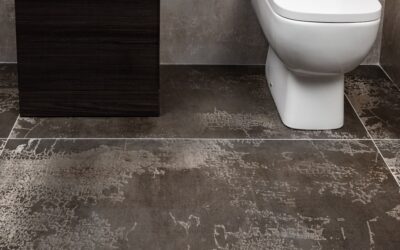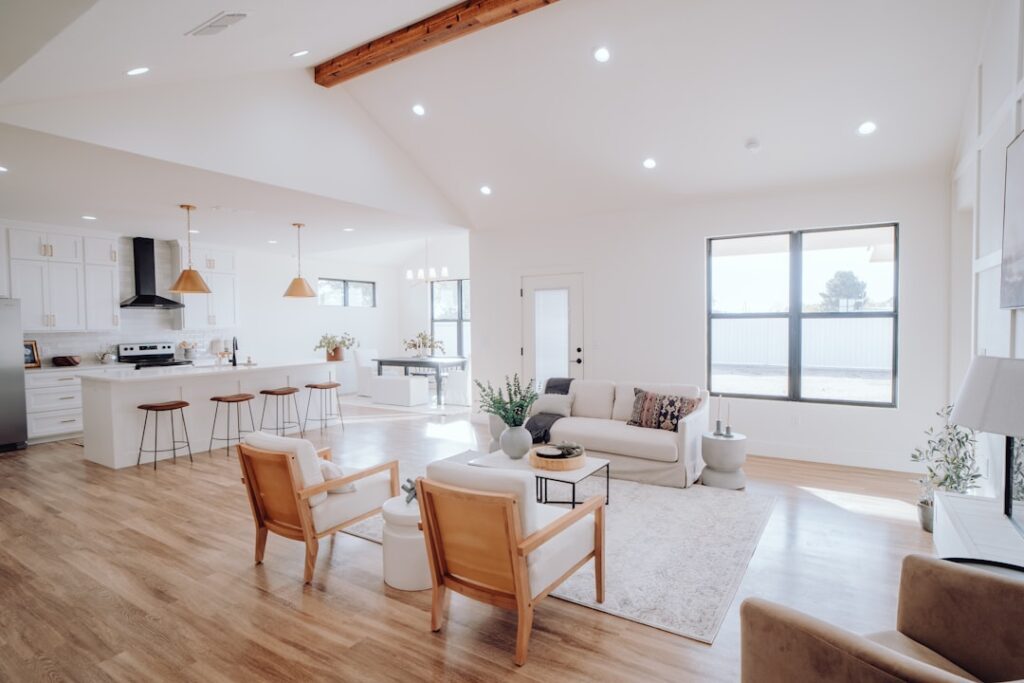
Seamless, modern, and tough enough to shrug off almost anything, poured flooring residential applications have moved out of garages and warehouses and into kitchens, basements, and living rooms. Poured floors include epoxy and polyurethane coatings, self-leveling concrete overlays, polished concrete, and microcement, all of which create a continuous surface without the seams and grout lines of tile or plank. This guide breaks down the main types, what they cost, where they make sense at home, and the tradeoffs every homeowner should understand before committing.
What Counts as Poured Flooring
The phrase covers several distinct systems that share one trait: they are applied as a liquid or paste and cure into a hard, seamless surface. Epoxy and polyaspartic coatings bond over concrete to create a glossy, durable finish. Self-leveling overlays smooth out an uneven slab. Polished concrete grinds and refines an existing slab to a sheen. Microcement is a thin, troweled cement coating that can go over many substrates for a matte, contemporary look.
Each system has different thickness, prep requirements, and aesthetics, so the right choice depends on your subfloor, the room, and the look you want.
Main Types for the Home
- Epoxy and polyaspartic coatings: High gloss, chemical and stain resistant, available with decorative flakes or metallic effects. Popular for basements and modern interiors.
- Polished concrete: Grinds and seals an existing slab; extremely durable and low-maintenance, with an industrial-modern aesthetic.
- Microcement: A thin troweled finish (often just a few millimeters) for a soft, matte, seamless look over floors, and even walls.
- Self-leveling overlays: Used to flatten an uneven slab, sometimes as a finished surface or as a base for another coating.
Cost Expectations
Pricing varies widely by system, prep needs, and decorative complexity. As general planning ranges, basic epoxy coatings often run $3 to $7 per square foot installed, while higher-end metallic or multi-coat systems climb higher. Polished concrete commonly lands around $3 to $8 per square foot depending on the level of grinding and aggregate exposure. Microcement, being labor-intensive and hand-troweled, tends to be among the pricier options.
These are estimates only. Final cost depends heavily on slab condition, crack repair, moisture mitigation, and the finish you choose, so get an in-person quote from an experienced installer for an accurate number.
Pros of Poured Floors
- Seamless and hygienic: No grout lines or seams to trap dirt, making cleaning simple.
- Extremely durable: Properly installed systems resist abrasion, chemicals, and heavy loads.
- Modern aesthetic: Continuous surfaces deliver a clean, contemporary look.
- Customizable: Color, sheen, flakes, and metallic effects offer broad design freedom.
- Works with radiant heat: Concrete-based systems pair well with in-floor heating.
Cons and Risks
Poured floors are not a casual DIY for most homeowners. Surface prep is everything, and a poorly prepped slab leads to peeling, bubbling, or cracking. Moisture is the biggest enemy: vapor rising through a concrete slab can delaminate a coating, so moisture testing and mitigation are essential, especially in basements and on-grade slabs.
Comfort is another consideration. These floors are hard and cold underfoot, and they can be slippery when wet unless an anti-slip additive is used. Cracks in the underlying slab can telegraph through some systems over time. Finally, repairs to a damaged area can be visible, since matching a cured finish exactly is difficult.
Where They Work Best at Home
Poured floors excel in basements, mudrooms, kitchens, garages, and modern open-plan living spaces over concrete slabs. They are a natural fit when you already have a concrete substrate and want a seamless, low-maintenance, contemporary surface. In bedrooms and family rooms, many homeowners add area rugs to soften the hardness and cold.
Over wood subfloors, options narrow. Microcement can sometimes be applied over properly prepared wood with the right reinforcement, but heavy concrete overlays are generally meant for slabs. Discuss your subfloor with an installer before assuming a poured floor will work.
How to Buy and Hire
- Test for moisture in the slab before any coating; insist your installer does this.
- Vet the installer’s portfolio and ask for references on similar residential jobs.
- Confirm the system (epoxy vs. polyaspartic vs. microcement) suits your room and traffic.
- Ask about anti-slip additives for any area that may get wet.
- Get the warranty in writing for both materials and labor.
Because results hinge on prep and craftsmanship, the installer matters as much as the product. Confirm current pricing, system options, and warranty specifics directly with the contractor or manufacturer before committing.
Maintenance and Longevity
One of the biggest selling points of poured floors is how little upkeep they demand. With no grout lines or seams to scrub, day-to-day cleaning is usually just sweeping and damp-mopping with a pH-neutral cleaner. Epoxy and polished concrete resist most household chemicals and stains, though you should wipe spills promptly and avoid harsh acids that can etch a sealed surface. Polished concrete may need periodic re-polishing or resealing over many years to maintain its sheen, and epoxy coatings can be recoated when the top layer eventually shows wear.
Longevity depends almost entirely on the quality of the original installation. A properly prepped, moisture-mitigated epoxy floor can last 10 to 20 years or more in a residential setting, and polished concrete, being the slab itself, can last the life of the home with maintenance. The flip side is that a poorly installed system can fail within a year or two, which is why hiring an experienced installer is worth the premium.
Design and Customization Options
Poured floors are far from one-note gray. Epoxy systems can incorporate decorative color flakes for a terrazzo-like look, metallic pigments that swirl into marbled effects, or solid colors for a clean modern slab. Polished concrete can be dyed in a range of tones and ground to expose more or less aggregate, changing the texture from smooth to speckled. Microcement comes in a wide palette of muted, contemporary colors and a soft matte finish prized in modern design. Saw-cut lines, borders, and inlays can add visual structure to large areas.
Sheen is also adjustable, from high-gloss epoxy that reflects light and brightens a basement to a low-sheen matte microcement that reads soft and understated. Discuss the look you want with your installer early, since color, aggregate, and finish choices are locked in during installation and are difficult to change afterward.
The Bottom Line
For the right space, poured flooring residential installations deliver a seamless, durable, ultra-modern surface that is easy to clean and built to last. Epoxy, polished concrete, and microcement each suit different looks and budgets, but all depend on proper moisture testing, slab prep, and an experienced installer. Weigh the hardness and cold against the durability and style, plan for anti-slip where needed, and verify pricing and warranty before you pour.
Prefer to explore on your own?
See how new flooring looks in your actual room in seconds — free, no signup.
Try the free Floor Studio →