When a machine loses pressure, pulses, or leaks, the culprit is almost always the same part. The pressure washer pump is what converts your engine or motor’s power into the high-pressure water stream that does the cleaning, and understanding how it works saves you money on repairs and replacements. This guide breaks down pump types, common failures, and how to decide whether to fix or swap a worn pressure washer pump.
- How a Pressure Washer Pump Works
- The Three Main Pump Types
- The Unloader Valve: A Critical Companion
- Common Pump Failures and Their Causes
- Symptoms of a Failing Pump
- Repair or Replace?
- Replacing an Axial Pump Step by Step
- Making a Pump Last Longer
- Pump Oil: What It Is and When to Change It
- Thermal Relief Valves
- Choosing a Replacement Pump
- Quick Answers to Common Questions
- The Bottom Line
How a Pressure Washer Pump Works
A pump uses pistons or plungers driven by a wobble plate, swash plate, or crankshaft to draw in low-pressure water from your garden hose and force it out at high pressure. Your garden hose supplies water at maybe 40-60 PSI; the pump multiplies that to 1,500-4,000 PSI. The flow rate (GPM) stays roughly the same, but the pressure rises dramatically. This is why both PSI and GPM depend on a healthy pump.
The Three Main Pump Types
Not all pumps are built the same, and the type largely determines lifespan and repairability:
- Axial cam pumps: the most common on consumer gas washers. Pistons ride on an angled plate that spins with the driveshaft. They are compact, affordable, and last 200-500 hours. Usually not rebuildable, so you replace the whole unit ($80-$200).
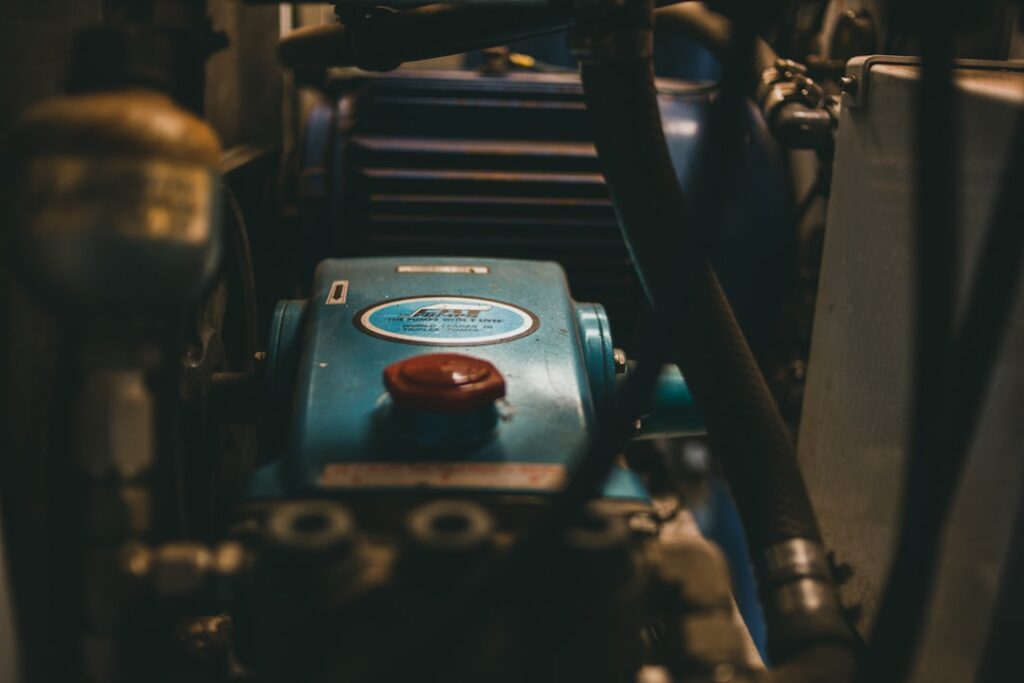
- Triplex (crankshaft) pumps: found on prosumer and commercial machines. Three ceramic plungers driven by a crankshaft. They run cooler, last 2,000-5,000 hours, and are fully rebuildable. They cost more ($200-$500) but are the gold standard.
- Wobble pumps: the cheapest, on entry-level electric units. A spring-loaded piston rides a wobble bearing. They are inefficient and rarely serviceable, but fine for light homeowner use.
The Unloader Valve: A Critical Companion
Every pump works with an unloader valve, and it causes more headaches than the pump itself. When you release the wand trigger, water has nowhere to go, so the unloader diverts flow into a bypass loop instead of letting pressure spike dangerously. A failing unloader shows up as pressure that surges up and down, low pressure that will not build, or water dumping out of a relief port. Many “pump” problems are really a $20 unloader valve that needs cleaning or replacement.
Common Pump Failures and Their Causes
Most pump death is avoidable. The usual killers:
- Running dry: the pump uses water to cool and lubricate. Even 30 seconds without water can score cylinders and burn seals.
- Cavitation: inadequate water supply starves the pump, causing it to draw air and pit internal parts. Always open the spigot fully and use a large-diameter inlet hose.
- Freezing: water left inside expands when frozen and cracks the pump head. This is the single most common off-season failure.
- Worn seals and O-rings: normal wear that causes leaks and pressure loss over time.
- Old oil (triplex): pump oil breaks down and lets internal parts wear prematurely.
Symptoms of a Failing Pump
Watch for these warning signs:
- Low or no pressure even with a clean nozzle and full water supply
- Pulsing or surging pressure that a good unloader would not cause
- Water leaking from the bottom of the pump (blown seals)
- Milky oil in the sight glass of a triplex pump (water intrusion)
- Excessive vibration or knocking noises
Before blaming the pump, rule out simpler causes: a clogged nozzle, kinked hose, dirty inlet filter, or low water supply account for most pressure complaints.
Repair or Replace?
The decision comes down to pump type and cost:
- Axial and wobble pumps: generally replace rather than repair. A new axial pump costs $80-$200 and bolts on in under an hour with basic tools. Rebuild kits exist but rarely make economic sense.
- Triplex pumps: almost always worth rebuilding. Seal kits run $30-$70, and with modest mechanical skill you can replace seals, valves, and O-rings to restore near-new performance.
If the whole machine is old and the engine is tired, a new washer may beat a new pump. But on a solid gas unit with a good engine, a fresh pump gives you years more service.
Replacing an Axial Pump Step by Step
Swapping a horizontal-shaft axial pump is a manageable DIY job:
- Disconnect the spark plug and let the engine cool completely.
- Drain fuel or close the fuel valve to prevent spills.
- Remove the bolts securing the pump to the engine crankshaft.
- Slide the old pump off the shaft, noting the keyway or splined fit.
- Apply anti-seize to the shaft, slide the new pump on, and torque the bolts to spec.
- Reconnect the hoses, restore water supply, and purge air before starting.
Confirm your replacement matches the shaft size, bolt pattern, and PSI/GPM rating of the original.
Making a Pump Last Longer
A few habits dramatically extend pump life:
- Never run the machine without water, even briefly.
- Supply plenty of water; open the tap fully and avoid long, narrow inlet hoses.
- Do not let the machine idle in bypass (trigger off) for more than a minute or two, as bypassed water heats up and cooks the seals.
- Winterize by draining fully and running pump antifreeze through it.
- On triplex pumps, change the pump oil per the manual, usually every 200-300 hours.
Pump Oil: What It Is and When to Change It
Triplex and some axial pumps hold their own oil, separate from the engine oil, to lubricate the crankcase and bearings. This is not the same as engine oil and uses a specific non-detergent pump oil (often 30-weight or a manufacturer-specified grade). Check the sight glass or dipstick: healthy pump oil is clear or amber. If it looks milky, water has gotten into the crankcase through worn seals, and you should change the oil and inspect the seals. On triplex pumps, change the pump oil after the first 50 hours of break-in, then every 200-300 hours or annually. Neglected oil is a quiet killer that wears out an otherwise rebuildable pump.
Thermal Relief Valves
Many pumps include a small thermal relief valve, a brass fitting that dribbles water when the pump gets too hot. This is a feature, not a fault. When you leave the machine running with the trigger off (in bypass), the same water recirculates and heats up. The thermal valve opens to dump hot water and let cooler water in, protecting the seals. If you see a slow drip from this valve after long bypass periods, it is doing its job. The real lesson is to avoid leaving the machine in bypass for more than a minute or two, because prolonged bypass is one of the leading causes of premature seal failure.
Choosing a Replacement Pump
When it is time for a new pump, match these specs to your machine:
- PSI and GPM rating: the new pump should meet or slightly exceed your engine’s output.
- Shaft size and type: horizontal-shaft pumps mount to the engine crankshaft; confirm the diameter and whether it is keyed or splined.
- Mounting bolt pattern: it must line up with your engine’s face.
- Inlet and outlet fittings: match the thread sizes so your existing hoses connect.
Universal axial pumps are widely available and inexpensive, making a pump swap one of the most cost-effective ways to revive a machine with a good engine.
Quick Answers to Common Questions
How long should a pressure washer pump last? Axial pumps typically run 200-500 hours, while triplex pumps last 2,000-5,000 hours. Freezing, running dry, and prolonged bypass shorten those figures dramatically.
Can I rebuild my pump? Triplex pumps are designed to be rebuilt with seal and valve kits for $30-$70. Most axial and wobble pumps are cheaper to replace than to repair.
Why is my pressure low all of a sudden? Check the simple causes first: clogged nozzle, kinked hose, dirty inlet screen, or low water supply. If those are clear, suspect the unloader valve, then worn pump seals.
Is milky pump oil bad? Yes. It means water has entered the crankcase through worn seals. Change the oil and replace the seals before the pump is damaged further.
The Bottom Line
The pump is the most expensive and most abused component on any pressure washer, but almost every failure traces back to running dry, cavitation, or freezing, all of which you can prevent. Know your pump type, keep water flowing, winterize religiously, and check the humble unloader valve before condemning the pump itself. Do that, and a quality pressure washer pump will outlast several sets of hoses and nozzles.