Weighing the pros and cons of metal roof systems against asphalt shingles is one of the biggest decisions a homeowner makes, because a roof is a 20-to-50-year commitment and metal costs two to three times more up front. I have installed and inspected both, and the honest answer is that neither is universally better. Metal wins on longevity, durability, and energy performance; shingles win on upfront cost and simplicity. The right call depends on how long you will own the house, your climate, and your budget. This is a head-to-head look at where each one earns its keep, followed by a clear verdict on which to choose.
Part of our Roofing guide — explore the full guide →
Upfront Cost: Shingles Win
Money is where most decisions start, and here asphalt has a commanding lead. A standard asphalt shingle roof runs roughly $4 to $8 per square foot installed, while a metal roof lands around $9 to $16 per square foot for standing seam, and somewhat less for exposed-fastener corrugated metal. On a typical home, that can mean the difference between a $12,000 shingle roof and a $30,000 metal one.
The gap comes from both material and labor. Metal panels cost more than asphalt, and installing standing seam correctly takes specialized skill, tools, and time. Fewer crews do metal well, which keeps labor prices up. If your only measure is the check you write this year, shingles win outright. The story changes once you factor in how long each roof lasts, but the upfront reality is that metal is a premium purchase.
Lifespan and Durability: Metal Wins
This is where metal makes its case. A quality metal roof lasts 40 to 70 years, and standing seam with a good coating can push past that. Asphalt shingles, by contrast, last 15 to 30 years depending on quality and climate, with three-tab shingles at the low end and architectural shingles at the high end. Over the life of a house, you may install two or three shingle roofs for every one metal roof.
Durability tells the same story. Metal handles the abuse that shreds asphalt:
- Wind resistance up to 140 mph or more for properly installed metal, versus lower ratings for shingles.
- Non-combustible surfaces that earn Class A fire ratings, a real advantage in wildfire zones.
- No granule loss, no curling, and no algae streaking the way asphalt develops over time.
- Snow and ice slide off metal instead of sitting and working under the surface.
Amortize the cost over the lifespan and metal’s higher price starts to even out, especially if you stay in the home long enough to avoid a second shingle replacement.
Energy Efficiency: Metal Wins
Metal roofs save real money in summer. Metal reflects solar radiant heat instead of absorbing it like dark asphalt, and with a reflective or cool-roof coating it can cut cooling costs by 10 to 25 percent in hot climates. On a July afternoon, an asphalt roof soaks up heat and drives it into the attic; a coated metal roof bounces much of it back to the sky.
Asphalt is not without options here, since lighter and specially coated shingles exist, but metal has the inherent edge in reflectivity and, paired with proper attic ventilation, keeps the whole house cooler. Over the decades you own the roof, those cooling savings add up and partly offset the higher install price. In a hot-summer region, this is a meaningful point in metal’s favor.
Noise and Comfort: Shingles Win
The classic knock on metal is rain noise, and there is truth to it. A metal roof over an open structure, like a barn or a porch with no insulation, is genuinely loud in a downpour. On a fully built house, though, the difference is smaller than people expect, because solid decking, underlayment, and attic insulation muffle most of the sound. Still, all else equal, asphalt is the quieter roof, and some homeowners simply prefer that.
Metal also expands and contracts with temperature more than asphalt, which can cause faint ticking as the panels move, and a poorly installed metal roof can telegraph that movement. A well-built shingle roof stays silent. If quiet is a priority and your attic is minimally insulated, shingles have the comfort edge.
Installation and Repair: Mixed
Practical serviceability splits the two. Asphalt is easy: nearly any roofer can install and repair it, materials are everywhere, and a damaged section swaps out cheaply. If a tree limb dents your roof, a shingle repair is a quick, low-cost job that blends in.
Metal is more demanding on both ends:
- Installation requires a skilled metal crew, and a bad install leaks or oil-cans, so finding the right contractor matters more.
- Repairs are trickier, since matching panels and finishes years later can be difficult and a dented panel may need full replacement.
- Walking on metal for maintenance requires care to avoid denting or scratching the finish.
Set against that, metal needs far less maintenance over its life, while asphalt requires periodic attention to lost granules, curling edges, and moss. You trade easy occasional repairs for a roof that rarely needs them at all.
Head-to-Head Summary
Here is the comparison distilled to the points that decide it:
- Upfront cost: Shingles win, roughly half the price of metal.
- Lifespan: Metal wins, 40 to 70 years versus 15 to 30.
- Durability and weather: Metal wins on wind, fire, and snow shed.
- Energy efficiency: Metal wins, with 10 to 25 percent cooling savings in hot climates.
- Noise and quiet comfort: Shingles win, though the gap is small on an insulated house.
- Ease and cost of repair: Shingles win on simplicity and matching.
- Resale and curb appeal: Both can look great; metal signals a premium, long-life roof.
Which to Choose
Choose a metal roof if you plan to stay in your home long enough to benefit from its lifespan, live in a region with wildfire risk, heavy snow, high winds, or hot summers, and can afford the higher upfront cost. Over 40-plus years, a metal roof that never needs replacing and trims your cooling bills is the better long-term investment, and it may raise resale value by signaling a roof the next owner will not have to touch.
Choose asphalt shingles if your budget is the deciding factor this year, you may sell within 10 to 15 years, or you want the simplest roof to install and repair. There is nothing wrong with a quality architectural shingle roof; it protects the house well for decades at a lower entry price. My rule of thumb: if this is your forever home and you can swing the upfront number, buy metal once and be done. If cost or a shorter time horizon drives the decision, shingles are the sensible, proven choice.
Styles Within Each Category
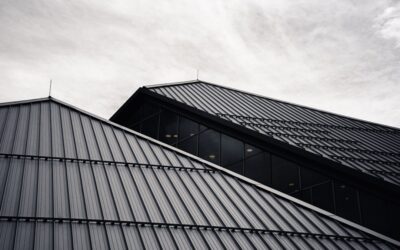
Neither material is a single product, and the style you pick within each changes the cost and the look. Metal roofing comes in several forms. Standing seam is the premium option, with concealed fasteners and clean vertical lines that suit modern and farmhouse homes, and it is the most weathertight and the most expensive. Exposed-fastener corrugated or ribbed metal is cheaper and common on barns, shops, and budget-minded homes, though the exposed screws need occasional attention as their gaskets age. Metal shingles and stamped panels can even mimic slate, tile, or wood shakes for homeowners who want the longevity of metal with a traditional appearance.
Asphalt splits into tiers as well. Three-tab shingles are the flat, economical option with the shortest lifespan, while architectural, or dimensional, shingles are thicker, layered, and more attractive, carrying longer warranties and better wind ratings. Premium designer asphalt shingles cost more and imitate slate or shake. When you compare metal to asphalt, compare like tiers, because a premium standing-seam roof against a bottom-grade three-tab is a lopsided comparison that exaggerates the gap.
Resale Value and Environmental Impact
Beyond cost and lifespan, two factors sway a lot of decisions today: what the roof does for resale and its environmental footprint. A metal roof can be a selling point because buyers know it may never need replacing on their watch, and in high-risk regions it can lower insurance premiums thanks to its fire and wind resistance. Asphalt is so common that it rarely stands out to buyers either way, which is neither a plus nor a minus, just the baseline expectation.
On the environmental side, metal has real advantages. It is often made with recycled content and is fully recyclable at the end of its long life, whereas worn asphalt shingles are petroleum-based and usually end up in a landfill, and you generate that waste two or three times over the span of one metal roof. Metal’s reflectivity also reduces cooling energy use. If sustainability weighs on your decision, metal is the greener long-term choice. If the upfront budget rules the day, asphalt still does the job. Weigh the whole picture, cost, lifespan, climate, noise, resale, and footprint, and the right roof for your specific house becomes clear.