PVC flooring tiles are one of the most versatile, affordable, and practical flooring solutions available today. Made from polyvinyl chloride — the same durable plastic used in plumbing pipes and window frames — PVC tiles offer waterproof performance, easy installation, and a wide range of design options that work in residential, commercial, and industrial settings.
- What Are PVC Flooring Tiles?
- Types of PVC Flooring Tiles
- Interlocking PVC Tiles
- Peel-and-Stick PVC Tiles
- Glue-Down PVC Tiles
- Loose-Lay PVC Tiles
- Rigid Core PVC Tiles
- Design and Appearance Options
- Pros of PVC Flooring Tiles
- 100% Waterproof
- Extremely Durable
- Easy to Install
- Easy to Replace
- Comfortable Underfoot
- Chemical and Stain Resistant
- Low Maintenance
- Cons and Limitations
- Not as Realistic as Premium LVT
- Temperature Sensitivity
- Environmental Concerns
- Potential for Indentation
- Cost Breakdown
- Best Applications for PVC Flooring Tiles
- Installation Guide
- Interlocking Tile Installation
- Peel-and-Stick Installation
- Glue-Down Installation
- Subfloor Requirements
- Maintenance and Care
- Frequently Asked Questions
- Are PVC flooring tiles safe for indoor use?
- Can PVC tiles go over concrete?
- How long do PVC flooring tiles last?
- Are PVC tiles better than epoxy for a garage?
- Can you use PVC tiles in a bathroom?
- Final Thoughts
Whether you are outfitting a garage, renovating a basement, upgrading a commercial space, or looking for a budget-friendly floor for any room in your home, PVC flooring tiles deserve serious consideration. This guide walks you through the types, costs, installation methods, pros and cons, and best applications to help you decide if PVC tiles are right for your project.
What Are PVC Flooring Tiles?
PVC flooring tiles are rigid or semi-flexible tiles made primarily from polyvinyl chloride resin combined with plasticizers, stabilizers, pigments, and fillers. They are manufactured in a variety of formats including interlocking tiles, peel-and-stick tiles, glue-down tiles, and loose-lay tiles.
PVC tiles fall under the broader vinyl flooring category, but they are distinct from luxury vinyl tile (LVT) and luxury vinyl plank (LVP) in their construction and intended use. While LVT and LVP focus on realistic wood and stone visuals for living spaces, PVC tiles encompass a wider range of products including heavy-duty interlocking tiles for garages and industrial floors.
PVC Tiles vs Vinyl Tiles: What Is the Difference?
In practical terms, PVC tiles and vinyl tiles are made from the same base material. The distinction is mostly marketing and application-based. “Vinyl tile” typically refers to decorative tiles designed for residential interiors, while “PVC tile” often refers to more functional, heavy-duty tiles designed for garages, workshops, commercial kitchens, and utility spaces. However, there is significant overlap, and many products could be described as either.
Types of PVC Flooring Tiles
Interlocking PVC Tiles
Interlocking PVC tiles connect with a snap-together, puzzle-piece, or hidden-joint mechanism that requires no adhesive. They are the easiest PVC tiles to install and remove, making them ideal for garages, workshops, trade show booths, and temporary installations.
These tiles are typically 12×12 inches or 18×18 inches and range from 5mm to 8mm thick. Heavy-duty interlocking PVC tiles can support vehicle traffic, heavy equipment, and industrial loads. Prices range from $2.00 to $6.00 per square foot depending on thickness and quality.
Peel-and-Stick PVC Tiles
Peel-and-stick PVC tiles have a self-adhesive backing that bonds directly to a clean, smooth subfloor. They are the most budget-friendly option, costing $0.50 to $2.50 per square foot, and install quickly without any tools beyond a utility knife and straightedge.
The tradeoff is durability — the adhesive can weaken over time, especially in areas with temperature fluctuations or moisture exposure. Peel-and-stick tiles work best in low-traffic residential spaces like closets, laundry rooms, and guest rooms where longevity demands are moderate.
Glue-Down PVC Tiles
Glue-down PVC tiles are permanently adhered to the subfloor using a compatible vinyl adhesive. This installation method provides the most secure bond and best performance in high-traffic commercial and residential settings. It also creates the flattest, most uniform floor surface.
Glue-down installation requires more subfloor preparation and makes future removal more labor-intensive. These tiles cost $1.50 to $5.00 per square foot for materials, plus adhesive costs of $0.30 to $0.75 per square foot.
Loose-Lay PVC Tiles
Loose-lay PVC tiles are heavy, dense tiles that stay in place through their own weight and a friction-grip backing, without adhesive or interlocking mechanisms. They install quickly, can be removed and replaced individually, and work well over most existing hard floors.
Loose-lay tiles cost $2.50 to $6.00 per square foot and are popular in commercial settings where sections need occasional replacement. They require a very flat, smooth subfloor to prevent shifting.
Rigid Core PVC Tiles
Rigid core PVC tiles — including SPC (Stone Polymer Composite) tiles — feature a rigid, dense core with a click-lock installation system. These premium tiles offer the best dimensional stability, indentation resistance, and durability in the PVC tile category.
They typically cost $3.00 to $7.00 per square foot and are designed for residential and commercial interiors where a realistic stone or tile appearance is desired with waterproof performance.
Design and Appearance Options
PVC flooring tiles are available in an enormous variety of colors, patterns, and textures.
Stone and Tile Looks
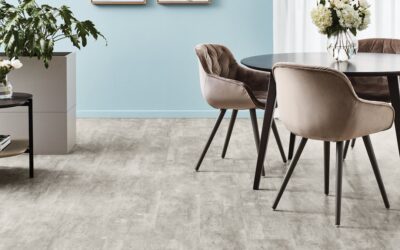
High-definition printing technology allows PVC tiles to replicate the appearance of marble, slate, travertine, concrete, and ceramic tile with impressive realism. These designs are popular for kitchens, bathrooms, entryways, and commercial lobbies where the tile aesthetic is desired without the weight, cost, and cold feel of real tile.
Wood Looks
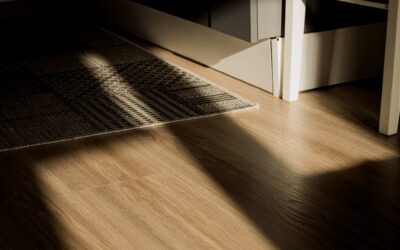
Wood-look PVC tiles replicate oak, walnut, hickory, and other popular wood species. While luxury vinyl plank is more common for wood looks, PVC tiles in square formats offer the appearance of parquet or tile-format wood that suits certain design styles.
Solid Colors and Patterns
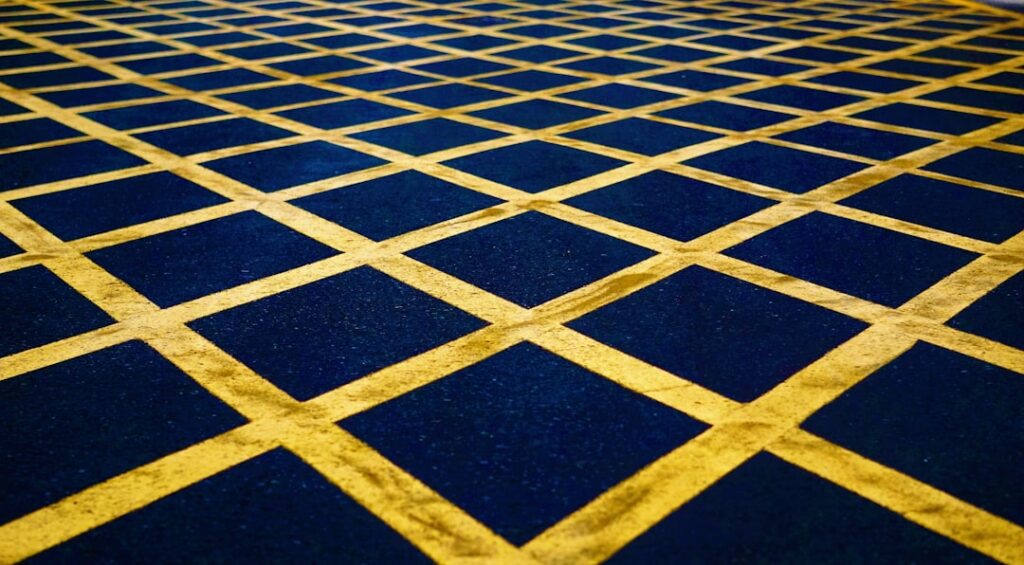
For garages, workshops, and utility spaces, PVC tiles come in solid colors (black, grey, red, blue, yellow) as well as patterns including coin-top, diamond plate, and smooth finishes. These functional designs prioritize grip, durability, and visual clarity for workspace environments.
Custom and Decorative Patterns
Mixing different colored PVC tiles allows you to create checkerboard patterns, borders, logos, and zone markings. This is particularly popular in garages, showrooms, and commercial spaces where visual branding or area delineation adds value.
Pros of PVC Flooring Tiles
100% Waterproof
PVC is completely impervious to water. Unlike laminate or hardwood, PVC tiles will not swell, warp, or deteriorate from water exposure. This makes them ideal for bathrooms, kitchens, basements, laundry rooms, and any area where moisture is a concern.
Extremely Durable
Heavy-duty PVC tiles withstand vehicle traffic, dropped tools, heavy equipment, and chemical spills without cracking or permanent damage. Commercial-grade PVC tiles are rated for decades of use in demanding environments.
Easy to Install
Interlocking and peel-and-stick PVC tiles require no specialized tools, adhesives, or professional installation. Most homeowners can tile a garage or room in a few hours. Interlocking tiles can be installed directly over concrete, wood, or even existing damaged flooring without subfloor preparation.
Easy to Replace
If a tile gets damaged, you can replace that single tile without disturbing the rest of the floor. This is a major advantage over continuous flooring like sheet vinyl, hardwood, or epoxy coatings where damage means patching or refinishing a larger area.
Comfortable Underfoot
PVC tiles are warmer and more cushioned than ceramic tile, stone, or concrete. Thicker PVC tiles (6mm+) provide noticeable fatigue relief for people who stand for extended periods, which is why they are popular in workshops, garages, and commercial kitchens.
Chemical and Stain Resistant
Quality PVC tiles resist oil, grease, gasoline, household chemicals, and common stains. This makes them particularly suitable for garages and workshops where spills are inevitable.
Low Maintenance
PVC tiles require only regular sweeping and occasional mopping with a mild cleaner. There is no sealing, waxing, or special treatment needed to maintain their appearance and performance.
Cons and Limitations
Not as Realistic as Premium LVT
Budget PVC tiles, especially functional interlocking models, do not offer the photographic realism of premium luxury vinyl tile. If a convincing wood or stone appearance is your priority, LVT or SPC products deliver better visuals.
Temperature Sensitivity
Some PVC tiles expand and contract with temperature changes. In unconditioned spaces like garages, this can cause tiles to shift or buckle during extreme heat. Quality interlocking systems with built-in expansion tolerance handle this better than cheaper alternatives.
Environmental Concerns
PVC manufacturing raises environmental considerations. Some PVC products contain phthalate plasticizers that have come under scrutiny for potential health effects. Look for products that are phthalate-free and FloorScore-certified if indoor air quality is a concern. Recycling options for PVC are limited in many areas.
Potential for Indentation
While heavy-duty PVC tiles resist most impacts, prolonged heavy point loads — like narrow furniture legs or heavy equipment left in one place — can create permanent indentations in softer PVC tiles. Harder, denser tiles and protective furniture pads mitigate this issue.
Cost Breakdown
Material Costs by Type
- Peel-and-stick tiles: $0.50 to $2.50 per square foot
- Interlocking garage tiles: $2.00 to $6.00 per square foot
- Glue-down commercial tiles: $1.50 to $5.00 per square foot
- Loose-lay tiles: $2.50 to $6.00 per square foot
- Rigid core (SPC) tiles: $3.00 to $7.00 per square foot
Installation Costs
Professional installation adds $1.50 to $4.00 per square foot depending on the tile type and subfloor condition. Interlocking tiles are the cheapest to install professionally since they require no adhesive. Glue-down tiles cost more due to adhesive application and subfloor preparation.
Total Project Cost Example
For a 400-square-foot garage using mid-range interlocking PVC tiles at $3.50 per square foot with DIY installation, expect a total cost of approximately $1,400 for materials. Professional installation would add $600 to $1,600.
Best Applications for PVC Flooring Tiles
Garages
PVC interlocking tiles are the most popular garage flooring solution after epoxy coatings. They install over bare concrete without preparation, resist oil and chemical spills, support vehicle traffic, and can be removed if you move. The ability to create custom color patterns and designs is a bonus for car enthusiasts who want a showroom-quality garage floor.
Basements
The waterproof nature of PVC tiles makes them ideal for basements where moisture seeping through concrete is common. Interlocking tiles with a raised base create an air gap between the tile and concrete, allowing moisture to evaporate rather than getting trapped — a significant advantage over glue-down options in damp environments.
Commercial Spaces
Retail stores, offices, restaurants, and healthcare facilities benefit from PVC tiles’ durability, ease of maintenance, and replacement simplicity. The ability to replace individual damaged tiles without disrupting the entire floor is a major advantage in commercial settings.
Kitchens and Bathrooms
Decorative PVC tiles in stone and tile looks provide a waterproof, comfortable alternative to real ceramic tile and natural stone in wet areas. Rigid core SPC tiles are the best option for these rooms, offering the most realistic appearance with complete waterproof protection.
Workshops and Utility Rooms
PVC tiles handle dropped tools, rolling equipment, standing water, and chemical exposure better than most flooring types. The cushioned surface reduces fatigue during long work sessions, and the modular design makes repair and replacement simple.
Home Gyms
Interlocking PVC tiles provide impact absorption for dropped weights, noise dampening, and a clean, professional appearance. They are a strong alternative to rubber flooring for home gym applications, with the added benefit of being easier to clean.
Installation Guide
Interlocking Tile Installation
Start in a corner and work outward. Connect tiles by aligning the interlocking edges and pressing or tapping them together. No adhesive is needed. Cut border tiles with a utility knife and straightedge or a jigsaw for faster cutting. Leave a small gap at walls for thermal expansion.
Peel-and-Stick Installation
Ensure the subfloor is perfectly clean, dry, and smooth. Find the center of the room and snap chalk lines. Peel the backing from each tile and press firmly into place, working from the center outward. Use a roller to ensure full adhesive contact.
Glue-Down Installation
Spread the recommended adhesive with a notched trowel according to the manufacturer’s instructions. Allow the adhesive to become tacky before placing tiles. Press each tile firmly and roll with a floor roller to ensure complete contact. Allow the adhesive to cure for 24 to 48 hours before heavy use.
Subfloor Requirements
All PVC tile types require a clean subfloor free of debris. Interlocking tiles are the most forgiving and can go over slightly uneven concrete. Peel-and-stick and glue-down tiles require a level, smooth surface for proper adhesion. Loose-lay tiles need the flattest subfloor of all to prevent shifting.
Maintenance and Care
- Sweep or vacuum regularly to prevent grit from scratching the surface
- Mop with warm water and a mild detergent or vinyl-safe cleaner
- Avoid harsh chemicals like acetone and strong solvents on decorative PVC tiles
- Use furniture pads to prevent indentation from heavy, narrow legs
- Clean oil and chemical spills promptly on garage tiles to prevent staining on lighter colors
- Replace damaged tiles individually rather than patching — this is one of the biggest maintenance advantages of tile-format flooring
Frequently Asked Questions
Are PVC flooring tiles safe for indoor use?
Yes, quality PVC tiles that are phthalate-free and FloorScore or GreenGuard certified are safe for indoor residential use. These certifications ensure low VOC emissions that meet strict indoor air quality standards. Always check product certifications, especially for rooms where children play.
Can PVC tiles go over concrete?
Absolutely. PVC tiles are one of the best flooring options for concrete subfloors. Interlocking tiles can go directly over bare concrete without any preparation beyond sweeping. Glue-down and peel-and-stick tiles need a clean, smooth concrete surface for proper adhesion.
How long do PVC flooring tiles last?
Residential PVC tiles last 10 to 20 years depending on quality and traffic. Commercial-grade interlocking tiles can last 20 to 30 years or more. The ability to replace individual damaged tiles extends the effective lifespan of the overall installation significantly.
Are PVC tiles better than epoxy for a garage?
Both are excellent garage floor options. Epoxy provides a seamless, permanent finish but requires extensive surface preparation and professional application. PVC interlocking tiles install in hours with no preparation, are removable, and allow individual tile replacement. PVC tiles are the better DIY option; epoxy offers a more permanent, seamless result.
Can you use PVC tiles in a bathroom?
Yes. PVC tiles are 100% waterproof and work well in bathrooms. Rigid core SPC tiles with a click-lock system are the best choice for bathroom installations, as they offer a seamless, water-tight surface with realistic stone and tile visuals.
Final Thoughts
PVC flooring tiles offer an unmatched combination of versatility, durability, waterproof performance, and ease of installation. From budget-friendly peel-and-stick tiles for a quick room refresh to heavy-duty interlocking tiles for garage and commercial use, there is a PVC tile solution for virtually every space and budget. The modular format means simple repairs, the waterproof construction means worry-free performance in wet areas, and the wide range of designs means you do not have to sacrifice style for practicality.
Prefer to explore on your own?
See how new flooring looks in your actual room in seconds — free, no signup.
Try the free Floor Studio →